10 Actionable Client Relationship Management Tips for 2025

In today's competitive landscape, securing a client is just the beginning. The real challenge, and the greatest opportunity, lies in nurturing that initial engagement into a long-term, mutually beneficial partnership. Strong client relationships are the bedrock of sustainable growth, leading to higher retention rates, valuable referrals, and a powerful brand reputation that sets you apart. But how do you systematically move from simple transactional interactions to building genuine, lasting partnerships? The key is a structured, intentional approach to client relationship management.
This guide is designed for small business owners, project managers, freelancers, and marketers who understand that the client journey extends far beyond the final invoice. We'll bypass generic advice and dive straight into actionable strategies. You will learn how to build a robust system for managing every client touchpoint, ensuring no detail is missed and every interaction adds value. These are not just abstract ideas; they are practical client relationship management tips that can be implemented immediately to foster loyalty and drive business success.
We will explore 10 distinct strategies, each paired with concrete workflows and templates built within Notion. You’ll see exactly how to use this flexible tool, combined with NotionSender's powerful email integration, to transform your client management from a reactive chore into a proactive, strategic advantage. From personalizing communications at scale to leveraging data for predictive insights, this article provides a complete blueprint for creating the kind of exceptional client experiences that build a loyal customer base for years to come.
1. Build Your Single Source of Truth with a Notion CRM
Juggling client information across spreadsheets, scattered notes, and siloed email inboxes is a recipe for missed opportunities and team misalignment. The cornerstone of effective client relationship management tips is establishing a centralized system. Instead of investing in a costly, complex CRM, you can build a flexible and powerful Customer Relationship Management (CRM) system directly within Notion. This creates a "single source of truth" for unparalleled clarity.
A Notion CRM centralizes all client data, interactions, and project details in one interconnected workspace. This approach allows you to track the entire client lifecycle, from the first point of contact to ongoing project management and final off-boarding, all tailored precisely to your unique workflow.
Why a Notion CRM is a Game-Changer
The primary benefit is contextual visibility. Imagine a new team member joining a project; they can instantly access a client's complete history, including past conversations, key decisions, and active tasks, without needing to hunt down information. This holistic view ensures everyone is on the same page, leading to more strategic communication and proactive service.
Key Insight: A single source of truth doesn't just store data; it connects it. In Notion, you can link your client database directly to your project boards, meeting notes, and invoices, creating a web of interconnected information that reveals the full story of each relationship.
Actionable Steps for Implementation
Getting started is simpler than you think. Create a main "Clients" database with properties for key information:
- Company Name: The primary identifier.
- Key Contact: The main person you communicate with.
- Status: A dropdown menu (e.g., Prospect, Active, On Hold, Completed).
- Last Contact Date: To track engagement and prompt follow-ups.
- Project Relation: A link to your "Projects" database to connect clients to specific work.
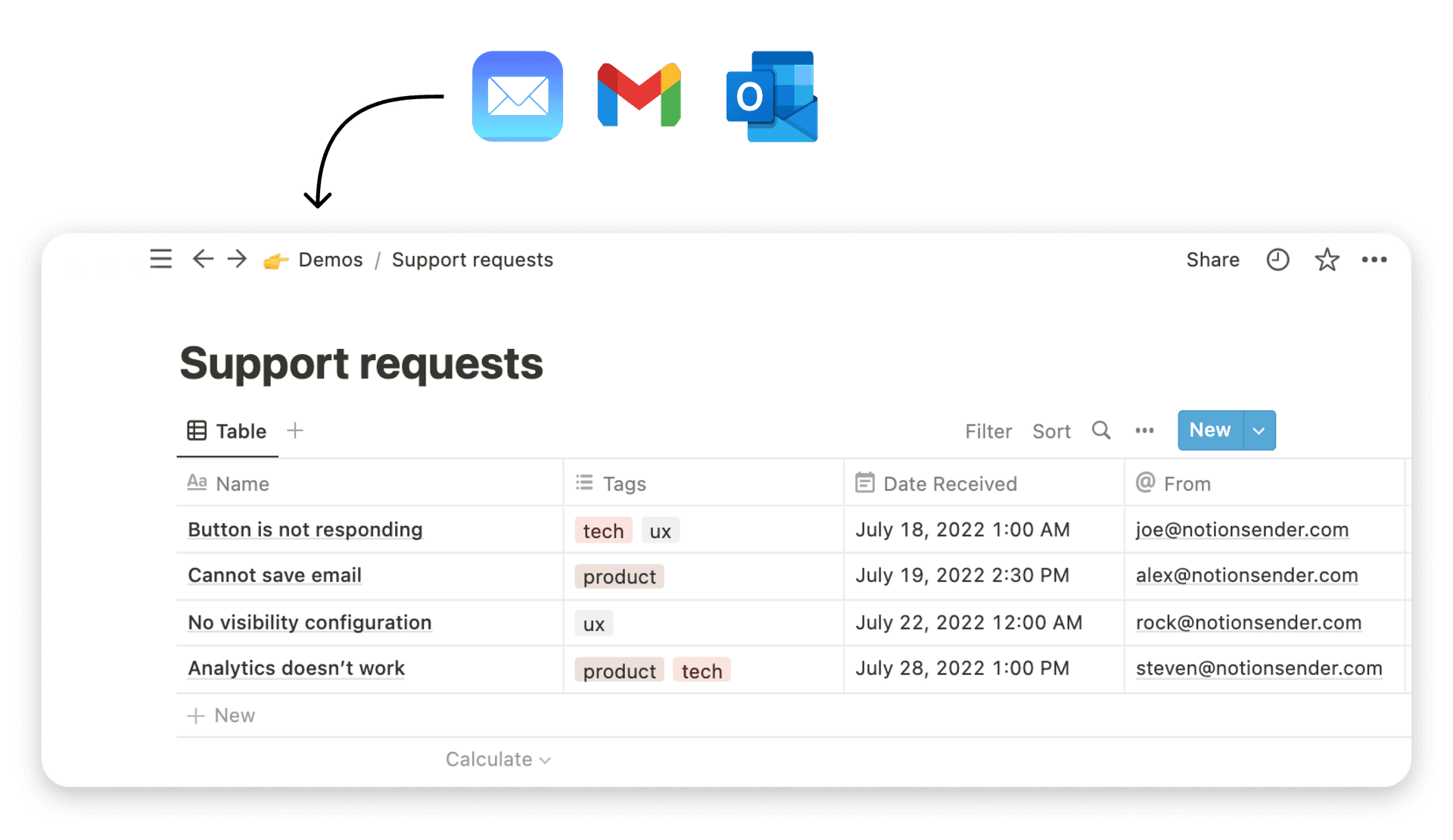
For enhanced automation, integrate a tool like NotionSender. This allows you to send and log personalized emails directly from your Notion CRM. For example, you can create email templates for onboarding new clients or sending project updates. When you send an email via NotionSender, it automatically logs the communication within that client's Notion page, ensuring your "Last Contact Date" is always current and a complete communication history is maintained effortlessly. This simple workflow transforms your static database into a dynamic client relationship management hub.
2. Personalize Client Communications
Generic, one-size-fits-all communication is the fastest way to make a client feel like just another number in your spreadsheet. Effective client relationship management tips hinge on personalization, tailoring your messages, recommendations, and interactions based on individual client history, preferences, and behavior. This approach demonstrates a genuine understanding of their unique needs and transforms your communications from noise into valuable, relevant information.
Personalization makes clients feel seen and valued, fostering loyalty and deeper engagement. Think of Netflix's recommendation engine or Spotify's "Discover Weekly" playlists; they succeed by using data to deliver a tailored experience. You can apply the same principle by referencing past project successes or mentioning specific business goals they've shared with you.
Why Personalization is a Game-Changer
The core benefit is enhanced relevance and connection. When a client receives an email that speaks directly to a challenge they recently mentioned or a goal they are actively pursuing, it immediately captures their attention. This level of detail shows you are listening and are invested in their success beyond the current transaction, which builds significant trust and goodwill.
Key Insight: True personalization goes beyond using a client's first name. It's about using the data in your CRM to create contextually aware communications that anticipate needs, solve problems, and offer specific value based on their unique journey with your business.
Actionable Steps for Implementation
Start by enriching your "Clients" database in Notion with properties that capture personalization details:
- Industry: A tag for their business sector (e.g., SaaS, E-commerce, Healthcare).
- Key Goals: A text property to note their primary business objectives.
- Communication Style: A select property (e.g., Formal, Casual, Data-driven).
- Personal Notes: A field for details like birthdays or shared interests.
Using NotionSender, you can leverage these properties to create highly personalized email campaigns directly from your Notion workspace. Create different email templates for each client segment based on their industry or status. When sending an update, you can reference the "Key Goals" property to frame your progress in a way that resonates directly with their objectives. This system turns your client data into a powerful tool for building stronger, more meaningful relationships. For more ideas, you can explore these 10 tips to send emails that make the other person smile.
3. Establish Regular Communication Cadence
Leaving client communication to chance is a high-risk strategy that often leads to lapsed relationships and missed opportunities. One of the most vital client relationship management tips is to establish a predictable communication cadence. This practice involves setting up consistent, scheduled touchpoints that demonstrate ongoing commitment without overwhelming your clients with unnecessary contact.
A regular cadence ensures you remain top-of-mind and allows you to proactively address needs rather than reactively solving problems. Whether it's a bi-weekly project update, a monthly performance review, or a quarterly strategic check-in, a planned communication schedule builds trust and reinforces the value you provide.
Why a Regular Cadence is a Game-Changer
The core benefit is proactive relationship nurturing. Instead of reaching out only when there's an issue or a contract is up for renewal, a consistent cadence transforms the dynamic from transactional to partnership-based. This regularity makes clients feel valued and informed, significantly reducing churn and creating opportunities for upselling or gathering valuable feedback.
Key Insight: A communication cadence is not just about sending messages; it's about creating a predictable rhythm that manages expectations. When clients know when they will hear from you next, it reduces their anxiety and builds confidence in your professionalism and organization.
Actionable Steps for Implementation
Begin by defining your cadence in your Notion CRM. Add new properties to your "Clients" database to manage this workflow:
- Communication Frequency: A select property (e.g., Weekly, Bi-Weekly, Monthly, Quarterly).
- Next Check-in Date: A date property to schedule your next touchpoint.
- Preferred Channel: A select property (e.g., Email, Call, Video Meeting).
To automate this process, use NotionSender to schedule your communications in advance. You can create different email templates in Notion for your various check-ins, such as a "Monthly Progress Report" or a "Quarterly Strategy Call Invitation." Set up a recurring schedule within NotionSender to automatically send these personalized emails based on the "Next Check-in Date." This ensures no client falls through the cracks and your communication remains consistent and professional, turning your CRM into an automated client engagement engine. For more ideas on scheduling emails and other communications from Notion, you can explore these 7 powerful ways to use Notion for outreach.
4. Practice Active Listening and Empathy
Technical skills and project delivery are only half the battle; the other half is making clients feel genuinely heard and understood. Practicing active listening and empathy moves your interactions from transactional to relational. This approach involves focusing completely on what the client is saying, understanding the emotional context behind their words, and responding in a way that validates their perspective. It's a foundational client relationship management tip that builds deep, lasting trust.

This method ensures you are solving the right problems. By listening intently, you uncover the core needs and unstated expectations that drive a client's request, allowing you to deliver solutions that don't just meet the brief but exceed their true goals. It transforms you from a service provider into an indispensable strategic partner.
Why Active Listening is a Game-Changer
The primary benefit is deeper client connection and trust. When clients feel you are genuinely invested in understanding their challenges, they become more open, collaborative, and loyal. This is exemplified by Zappos' legendary customer service, where representatives are encouraged to spend as much time as needed on the phone to connect with and solve a customer’s issue, building a powerful brand reputation on empathy alone.
Key Insight: Empathy isn't about agreeing with the client; it's about understanding their perspective. Acknowledging their frustration with a project delay, for example, shows you are on their side, even when delivering difficult news. This validation is often more important than the solution itself.
Actionable Steps for Implementation
Incorporate active listening into every client interaction, especially during feedback sessions or project kick-offs. Create a dedicated "Meeting Notes" database in Notion and link it to your "Clients" database. During calls, use a template with these sections:
- Client's Key Points: What are the main issues or requests they are stating directly?
- Underlying Emotions/Concerns: What feelings did you observe (e.g., hesitation, excitement, frustration)?
- Open-Ended Questions to Ask: Prepare questions like "Can you walk me through your thought process on that?"
- Summary for Confirmation: A space to paraphrase their points back to them for alignment.
After a crucial conversation, use NotionSender to send a follow-up email directly from the meeting note page. You can draft a summary like, "To recap our call, it sounds like the main priority is X, and you're feeling concerned about Y. Here are our next steps to address that." This simple workflow not only documents the conversation but actively demonstrates you were listening, solidifying client confidence and ensuring everyone is aligned.
5. Segment Clients by Value and Needs
Treating all clients equally sounds fair, but it's an inefficient approach to relationship management. A more strategic method is to segment clients into meaningful groups based on their value, needs, and engagement level. This allows you to allocate your time and resources more effectively, ensuring your most valuable clients receive the attention they deserve while maintaining a high standard of service for everyone.
Client segmentation transforms your service model from one-size-fits-all to a tailored, tiered approach. By understanding which clients drive the most revenue or have the highest growth potential, you can customize communication, service levels, and strategic planning to maximize the value of each relationship. This is a crucial client relationship management tip for scaling your business sustainably.
Why Client Segmentation is a Game-Changer
The primary benefit is strategic resource allocation. Instead of spreading your efforts thinly across your entire client base, you can focus high-touch, personalized engagement on top-tier clients who have the biggest impact on your bottom line. This targeted approach boosts retention for high-value accounts and allows you to create more efficient, scalable processes for lower-tier clients.
Key Insight: Segmentation isn't about neglecting certain clients; it's about matching the level of service to the level of value. A well-segmented system ensures every client gets the right kind of attention, preventing you from over-servicing low-profitability accounts and under-servicing key strategic partners.
Actionable Steps for Implementation
You can implement a powerful segmentation system directly within your Notion "Clients" database. Add a new "Tier" property to classify each client:
- Tier: A dropdown or select property (e.g., Tier 1 - Strategic, Tier 2 - Core, Tier 3 - Standard).
- Revenue (YTD): A number property to track year-to-date revenue.
- Potential Score: A select property (High, Medium, Low) to gauge growth opportunities.
- Service Level: A text property defining the agreed-upon service (e.g., Weekly Calls, Monthly Check-in).
Once clients are segmented, you can tailor your outreach. For your Tier 1 clients, use NotionSender to send personalized, high-touch emails like strategic quarterly business reviews or exclusive updates. For Tier 3 clients, you might automate a standard monthly newsletter. Applying proven strategies for segmenting email lists to your Notion-based tiers can further enhance your personalized communication and marketing efficiency, ensuring the right message reaches the right client segment every time.
6. Solve Problems Quickly and Transparently
How you handle problems is a defining moment in any client relationship. Ignoring issues or responding slowly erodes trust faster than almost anything else. One of the most critical client relationship management tips is to address issues with both speed and transparency, transforming a potential crisis into an opportunity to demonstrate your commitment and reliability.
This approach involves not just fixing the problem, but managing the client's experience throughout the resolution process. When clients see you taking immediate ownership and keeping them informed, it reinforces their decision to work with you and can even strengthen the relationship long-term.
Why Rapid, Transparent Resolution Matters
The primary benefit is trust preservation. When something goes wrong, a client's immediate concern is whether they can rely on you to make it right. A swift, clear response acknowledges their frustration and shows respect for their business. This prevents minor issues from escalating into major relationship-damaging conflicts.
Key Insight: Transparency is as important as speed. A client left in the dark will assume the worst. Proactive communication, even if it's just to say "We're still working on it," provides reassurance and manages expectations effectively.
Actionable Steps for Implementation
Establish a clear process within your Notion workspace for tracking and resolving client issues. Create a dedicated "Support Tickets" or "Client Issues" database and link it to your main "Clients" database.
- Ticket ID: A unique identifier for each issue.
- Client Relation: A link to the affected client's page.
- Status: A dropdown menu (e.g., Reported, In Progress, Awaiting Client, Resolved).
- Priority: A tag for urgency (e.g., High, Medium, Low).
- Owner: Assign a team member responsible for the resolution.
To supercharge this workflow, use NotionSender to manage communications directly from the ticket page. When a client reports an issue, you can send an immediate acknowledgment email from a pre-saved template ("We've received your report and are investigating"). As you update the ticket's status in Notion, you can send follow-up emails ("An update on Ticket #123: We've identified the root cause") to keep the client informed. This ensures all communication is logged automatically, creating a transparent, auditable trail of your resolution process.
7. Build Strategic Partnerships and Referral Programs
Relying solely on direct sales and marketing can be a slow and expensive path to growth. A powerful, yet often underutilized, aspect of client relationship management tips is leveraging your network. By building strategic partnerships with complementary businesses and creating formal referral programs, you can tap into new audiences and turn your most satisfied clients into a dedicated, trust-based sales force.
This approach creates a symbiotic growth engine. Strategic partnerships expand your reach by aligning with businesses that serve a similar clientele but don't directly compete. Meanwhile, a structured referral program incentivizes your existing happy clients to advocate on your behalf, generating high-quality leads that come with a built-in layer of trust.
Why Partnerships and Referrals are Game-Changers
The core benefit is amplified trust and reach. A warm introduction from a trusted partner or an enthusiastic referral from a current client is far more potent than any cold outreach. These leads are often more qualified, have a shorter sales cycle, and demonstrate higher lifetime value because they enter the relationship with pre-established confidence in your brand.
Key Insight: The best growth channels are not about shouting louder, but about being recommended by the right voices. A well-managed referral or partner program systematizes word-of-mouth, transforming it from a random occurrence into a predictable and scalable source of new business.
Actionable Steps for Implementation
To manage this effectively in Notion, create a "Partners & Referrals" database. This will serve as your central hub for tracking these valuable relationships and their impact.
- Source Name: The name of the partner company or referring client.
- Type: A dropdown menu (e.g., Strategic Partner, Client Referral, Affiliate).
- Referred Clients: A relation property linking to your "Clients" database to track who they sent your way.
- Status: A dropdown menu (e.g., Active, Inactive, Prospect).
- Incentive/Agreement: A text field to summarize the referral bonus or partnership terms.
To streamline outreach, use an integration like NotionSender to manage your partner communications. You can create email templates to announce your new referral program to clients or to propose a partnership to a potential ally. When a partner sends a new lead, you can use NotionSender to send a personalized "thank you" email directly from their Notion page, logging the interaction and reinforcing the relationship with minimal effort.
8. Request and Act on Client Feedback
Operating without client feedback is like navigating without a compass; you might be moving, but you don't know if it's in the right direction. One of the most impactful client relationship management tips is to create a systematic process for soliciting, analyzing, and acting on feedback. This transforms your service from a one-way delivery to a collaborative partnership, showing clients that their voice directly shapes your business.
A structured feedback loop provides invaluable insights into client satisfaction, potential issues, and opportunities for innovation. It's about more than just sending a survey; it’s about demonstrating that you listen and are committed to continuous improvement, which builds immense trust and loyalty.
Why a Feedback Loop is a Game-Changer
The primary benefit is proactive problem-solving. Instead of waiting for a client to become dissatisfied enough to leave, you can identify and address minor issues before they escalate. This process also uncovers what you’re doing right, allowing you to double down on your strengths and replicate successes across all your client relationships.
Key Insight: The most crucial part of collecting feedback is "closing the loop." When you inform a client that their suggestion led to a specific change, you validate their input and make them feel like a valued partner in your success, not just a customer.
Actionable Steps for Implementation
You can build a simple yet powerful feedback system directly in Notion. Start by creating a "Feedback" database and linking it to your "Clients" database.
- Submission Title: A brief summary of the feedback (e.g., "Suggestion for Monthly Report Layout").
- Client Relation: A link to your "Clients" database to associate the feedback with a specific client.
- Feedback Type: A dropdown menu (e.g., Compliment, Suggestion, Issue).
- Status: A dropdown menu (e.g., Received, Under Review, Implemented, Will Not Implement).
- Action Taken: A text field to detail how you addressed the feedback.
To automate collection, use NotionSender to send a templated feedback request email after a project milestone is completed. The email can link to a simple form that populates your Notion database. Once you've reviewed the feedback and updated the "Status" to "Implemented," you can use another NotionSender template to send a follow-up email, closing the loop and detailing the changes made. This structured workflow ensures no feedback is ever lost and every client feels heard.
9. Invest in Relationship Management Training
Your tools and systems are only as effective as the people who use them. Investing in dedicated training for your team is one of the most powerful yet overlooked client relationship management tips. This means moving beyond product knowledge and equipping your team with the soft skills needed to build genuine rapport, navigate difficult conversations, and deliver consistently exceptional service.
Ongoing education in areas like communication, emotional intelligence, and conflict resolution transforms team members from service providers into trusted advisors. When your team is well-trained, they can anticipate client needs, de-escalate potential issues proactively, and represent your brand with confidence and empathy, directly impacting client satisfaction and loyalty.
Why a Training Program is a Game-Changer
The primary benefit is consistency in client experience. A well-trained team ensures that every client receives the same high standard of care, regardless of who they interact with. This predictability builds trust and reinforces your brand's reputation. It also empowers employees to handle a wider range of situations without constant escalation, improving efficiency and client-facing confidence.
Key Insight: Training isn't a one-time event; it's a cultural commitment. Companies like Zappos and Ritz-Carlton build legendary customer service reputations by continuously investing in their people's ability to manage relationships, not just transactions.
Actionable Steps for Implementation
You don't need a massive budget to start. Begin by creating a simple "Training Hub" database in Notion to organize resources and track progress.
- Skill/Topic: The specific area of training (e.g., Active Listening, Conflict Resolution, Product Deep-Dive).
- Format: A dropdown menu (e.g., Workshop, Online Course, Mentoring Session, Reading Material).
- Team Members: A person property to assign training to specific individuals.
- Completion Date: To track progress and ensure accountability.
- Key Takeaways: A text property for team members to log what they learned.
To make this actionable, use NotionSender to manage the training communication loop. You can send personalized invitations to workshops or share links to new training materials directly from your Notion Hub. After a session, create a "Feedback Request" email template and send it via NotionSender to gather insights on the training's effectiveness, logging the communication automatically and helping you refine your program over time.
10. Leverage Data Analytics for Predictive Insights
Going beyond simple reporting, leveraging data analytics allows you to move from reactive problem-solving to proactive, predictive relationship management. By analyzing historical client data, you can build models that forecast future behaviors, such as identifying clients at risk of churn or pinpointing prime opportunities for upselling. This data-driven approach transforms client relationship management tips from guesswork into a calculated strategy.

This level of insight enables you to allocate resources more effectively, focusing retention efforts where they are most needed and presenting offers to clients who are most likely to convert. For example, a subscription service might analyze usage patterns to predict which users are likely to cancel, allowing them to intervene with a special offer or additional support.
Why Predictive Insights are a Game-Changer
The core benefit is strategic foresight. Instead of waiting for a client to complain or leave, you can identify the warning signs in their data and act preemptively. This might involve noticing a drop in engagement, a decrease in project requests, or late payments. This proactive stance not only reduces churn but also demonstrates a deep understanding of your client's business, strengthening the relationship.
Key Insight: Predictive analytics turns your historical data into a forward-looking compass. By connecting your Notion CRM data with analytics tools, you can translate patterns from past projects and communications into actionable intelligence that guides your future client interactions and business strategy.
Actionable Steps for Implementation
You don't need a massive data science team to start. Begin by collecting structured data within your Notion "Clients" database.
- Project Frequency: A number property to track how often a client initiates a new project.
- Engagement Score: A formula property that combines metrics like "Last Contact Date," email response times, and meeting attendance to create a health score.
- Feedback Sentiment: A select property (Positive, Neutral, Negative) to categorize feedback from surveys or meetings.
Once you have this data, you can use tools that integrate with Notion to visualize trends and build simple predictive models. For example, a sudden drop in a client's "Engagement Score" can trigger an automated alert. Using NotionSender, you could set up a workflow where this trigger prompts you to send a personalized check-in email from a pre-written template. This transforms your data from a passive record into an active trigger for maintaining strong client relationships.
10-Point Client Relationship Management Comparison
| Strategy | 🔄 Implementation Complexity | ⚡ Resource Requirements | 📊 Expected Outcomes | 💡 Ideal Use Cases | ⭐ Key Advantages |
|---|---|---|---|---|---|
| Implement a CRM System | Medium–High — integrations, configuration, training | Moderate–High — software licenses, IT & maintenance | Centralized data, improved tracking, higher retention | Growing teams needing single source of truth | Scalable automation, robust reporting ⭐ |
| Personalize Client Communications | Medium — segmentation, content workflows | Moderate — data collection, automation tools | Higher engagement, conversions, increased LTV | B2C/B2B with behavioral data and marketing needs | More relevant outreach and better conversion ⭐ |
| Establish Regular Communication Cadence | Low–Medium — planning and scheduling | Low–Moderate — calendar tools, staff time | Consistent touchpoints, improved retention | Account management, subscription services | Predictable trust building and early issue detection ⭐ |
| Practice Active Listening and Empathy | Medium — cultural change and coaching | Low–Moderate — training and coaching time | Deeper trust, fewer misunderstandings, loyal clients | High‑touch services, complex or sensitive relationships | Stronger rapport, uncovers hidden needs ⭐ |
| Segment Clients by Value and Needs | Medium–High — data modeling and policies | Moderate — analytics, CRM integration | Optimized resource allocation, higher ROI | Businesses with diverse client profitability | Targeted service levels, clearer prioritization ⭐ |
| Solve Problems Quickly and Transparently | Medium — processes, escalation paths, authority | Moderate — trained support, resolution tools | Faster resolution, reduced churn, trust preservation | Support-heavy products, service recovery scenarios | Reliability and reputation protection ⭐ |
| Build Strategic Partnerships & Referral Programs | Medium–High — partner ops, contracts, alignment | Moderate — incentives, partner management resources | New client channels, lower acquisition cost | Growth-focused companies seeking new channels | Extended reach and trusted referrals ⭐ |
| Request and Act on Client Feedback | Low–Medium — surveys + action plans | Low–Moderate — survey tools, analysis effort | Insight-driven improvements, early warning signs | Product/service improvement cycles | Continuous improvement and client validation ⭐ |
| Invest in Relationship Management Training | Medium — program design, ongoing reinforcement | Moderate–High — training budget, time investment | Better client interactions, fewer mistakes, retention | High-contact teams scaling service quality | Skilled staff and scalable service excellence ⭐ |
| Leverage Data Analytics for Predictive Insights | High — modeling, infrastructure, governance | High — data scientists, platforms, data ops | Early churn detection, targeted upsells, efficiency gains | Data-rich organizations seeking proactive retention | Predictive targeting and competitive intelligence ⭐ |
From Tips to Transformation: Your Next Steps
We've explored a comprehensive toolkit of ten powerful client relationship management tips, moving from foundational principles to advanced data-driven strategies. You've seen how to build a robust CRM directly in Notion, personalize communication at scale, and establish a consistent cadence that keeps your brand top of mind. The journey doesn't end with a list; it begins with implementation.
The core message threaded through each of these strategies is intentionality. Exceptional client relationships don't happen by accident. They are the direct result of deliberate systems, empathetic listening, and a commitment to delivering value beyond the initial transaction. From transparently solving problems to actively seeking and implementing feedback, each tip is a building block for creating a client-centric business culture.
Turning Knowledge into Actionable Strategy
The true power of these client relationship management tips is unlocked when they are integrated into your daily workflow, not just stored as abstract ideas. The difference between a thriving business with loyal clients and one that constantly struggles with churn often comes down to the consistent application of these very principles.
Consider the compounding effect of these actions:
- Centralized Intelligence: By implementing a Notion-based CRM (Tip #1) and segmenting your clients (Tip #5), you create a single source of truth. This hub of information fuels every other strategy, from personalized outreach to predictive analytics.
- Proactive Engagement: Combining a regular communication cadence (Tip #3) with automated feedback requests (Tip #8) transforms your approach from reactive to proactive. You’re no longer just putting out fires; you’re preventing them by staying ahead of client needs and concerns.
- Data-Informed Empathy: Active listening (Tip #4) provides qualitative insights, while leveraging data analytics (Tip #10) offers quantitative proof. When used together, these two approaches allow you to understand not just what your clients need, but why they need it, enabling you to serve them on a much deeper level.
Your Immediate Next Steps
Feeling overwhelmed by the possibilities is normal. The key is to start small and build momentum. Don't try to implement all ten tips at once. Instead, identify your single biggest challenge in client management right now and choose the corresponding tip to tackle first.
Here’s a simple action plan to get started this week:
- Identify Your Priority: Is your client data scattered and disorganized? Start with Tip #1 and build your foundational CRM in Notion. Are you struggling to stay in touch with key accounts? Focus on Tip #3 and set up a communication cadence template.
- Implement One Small Change: Dedicate a few hours to setting up the Notion database or workflow for your chosen tip. Use the examples provided in this article as your guide.
- Commit and Iterate: Stick with your new process for at least one month. Track the results, gather feedback from your team, and refine the system. Once it becomes a habit, move on to the next tip.
By mastering these client relationship management tips, you're not just improving a business process; you are investing in your most valuable asset. You are building a resilient foundation of trust and loyalty that will fuel sustainable growth, generate powerful referrals, and turn satisfied customers into your most enthusiastic brand advocates. This transformation from a transactional provider to a trusted partner is the ultimate competitive advantage.
Ready to automate your personalized client communication directly from your Notion CRM? NotionSender allows you to send targeted emails, schedule follow-ups, and manage your outreach without ever leaving your workspace. Bridge the gap between your client data and your engagement strategy by visiting NotionSender to see how it works.