10 Essential Formats for Newsletters to Supercharge Your Growth in 2026
In a world of overflowing inboxes, the 'what' of your newsletter is only half the battle; the 'how' is what truly captivates and converts. The structure you choose, the format, is the silent driver of engagement, building reader habits and delivering value long before they read a single word. Sending the same generic email blast week after week leads to audience fatigue and dwindling open rates. To stand out, you need a strategic approach that matches your message to the right delivery vehicle.
This guide moves beyond generic advice to dissect 10 powerful formats for newsletters, providing a strategic blueprint for each. We are not just talking about what they are, but how to use them effectively to achieve specific business goals. Forget one-size-fits-all templates; we’ll explore distinct structures designed to educate, engage, update, and build community.
Inside, you will find a comprehensive breakdown for each format, including:
- When to Use It: The specific scenarios where each format excels.
- Ideal Structure: A clear, repeatable layout to follow.
- Actionable Tips: Practical advice for subject lines, calls-to-action (CTAs), and frequency.
- Workflow Automation: Step-by-step guidance on how to implement and automate every format using NotionSender, from capturing content in Notion to scheduling your campaigns.
Prepare to transform your email strategy from a simple broadcast into a relationship-building powerhouse. Let's dive into the formats that will get your newsletter opened, read, and valued.
1. Curated Digest/Round-up Newsletter
The curated digest is one of the most powerful and scalable formats for newsletters. It positions you as a trusted filter, saving your audience time by sifting through the noise to deliver only the most valuable content. Instead of creating everything from scratch, you aggregate, comment on, and organize information from various sources around a central theme.
This format excels at building a loyal, engaged audience. Readers come to rely on your newsletter as their primary source for industry updates, transforming your send into a can't-miss part of their routine. Newsletters like The Hustle and Morning Brew built massive audiences by perfecting this model, delivering sharp, digestible summaries of business and tech news.
When to Use This Format
This format is ideal if your audience is composed of busy professionals who value efficiency. It works best when you want to establish authority in a niche without the heavy lift of creating long-form original content every week. It's also perfect for community-builders who want to share member-generated content or highlight industry wins.
Implementation with NotionSender
A curated digest is a prime candidate for a streamlined Notion-based workflow.
- Content Capture: Use a web clipper to save articles, tweets, and resources directly into a Notion database. Create a "Status" property (e.g., To Review, Approved, Published) to track each piece of content.
- Templating: Design a reusable template within your NotionSender database. This template should have placeholders for the link, a brief summary, and your personal commentary.
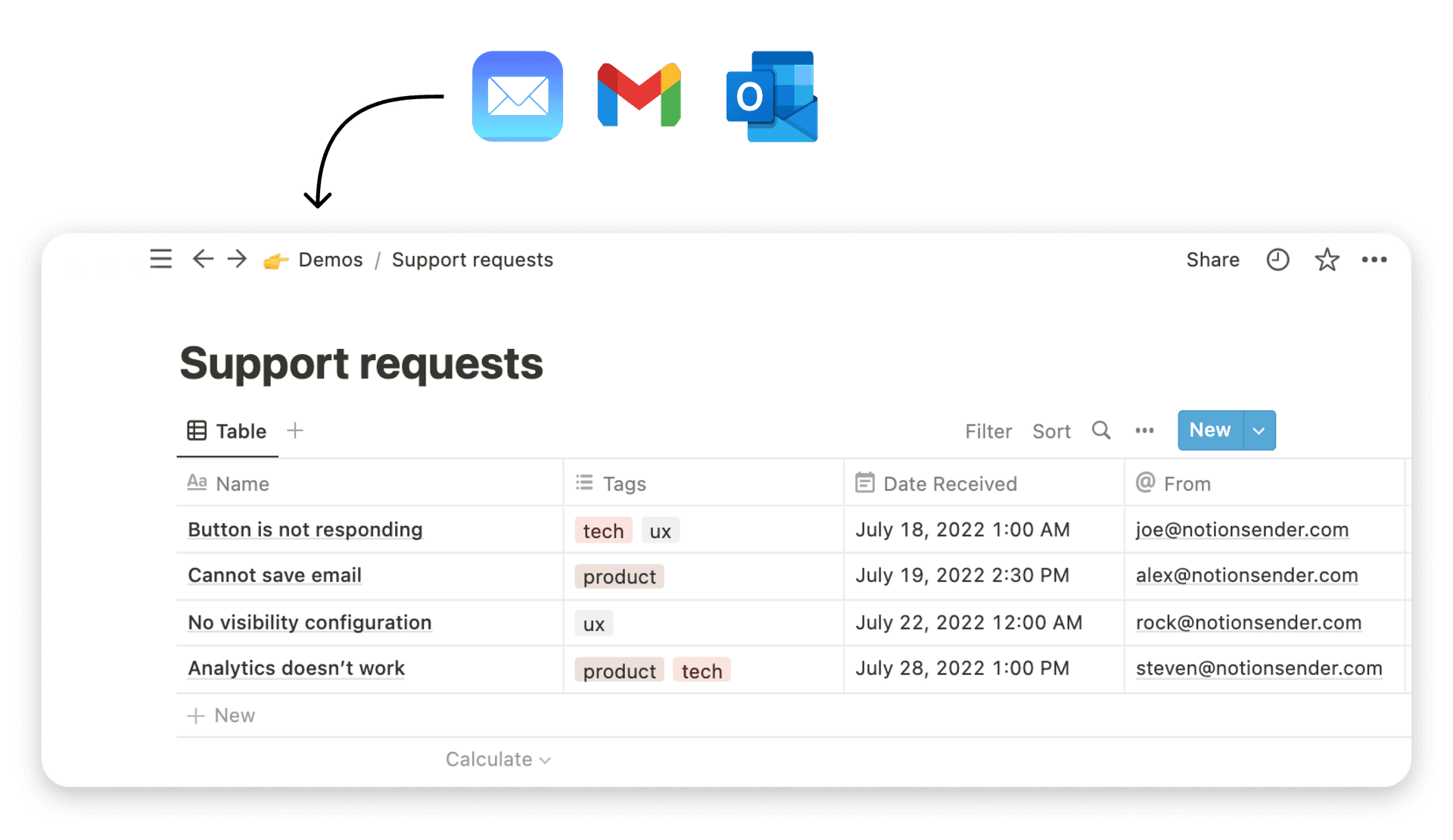
- Automation: Set up an automated workflow where any item tagged as "Approved" in Notion is automatically pulled into your next scheduled send. This system allows you to batch-process your curation, turning a complex task into a simple, repeatable process. You can learn more about the specifics of sending emails directly from your Notion workspace.
Pro Tip: Don't just list links. Add a short, insightful sentence or two explaining why each item is important. This personal analysis is your unique value proposition and what keeps subscribers coming back.
2. Educational/How-To Newsletter
The educational newsletter is one of the most effective formats for newsletters for building authority and trust. It focuses on teaching subscribers a specific skill, concept, or process through structured, step-by-step instruction. Instead of just reporting news, you are actively empowering your audience with actionable knowledge, positioning yourself as an indispensable expert.
This format creates deep, long-term engagement by providing tangible value. Subscribers don't just read your content; they learn from it and apply it. Newsletters from creators like Seth Godin and Pat Flynn of Smart Passive Income have built loyal followings by consistently delivering high-value lessons that help their readers grow professionally and personally.

When to Use This Format
This format is perfect when your goal is to nurture leads, demonstrate expertise, or sell an info-product or service. It's ideal for coaches, consultants, software companies, and creators who want to build a relationship grounded in value. Use it to break down complex topics into digestible lessons, guiding your audience toward a specific outcome or understanding.
Implementation with NotionSender
Notion is the perfect environment for structuring an educational series.
- Content Planning: Create a Notion database to outline your entire course or lesson series. Use properties to track the lesson number, topic, status (Draft, Ready, Sent), and send date.
- Reusable Templates: Design a "Lesson Template" within NotionSender. This template should include sections for an introduction, key learning objectives, the core content with step-by-step instructions, and a "homework" or action item.
- Feedback Loop: Create a system to capture reader questions and feedback directly into a separate Notion database. This feedback can fuel future content and help you refine your lessons. You can learn more about the different ways to use Notion to send emails and manage your content workflow.
Pro Tip: Structure your educational emails as a mini-course. Number your lessons (e.g., "Lesson 1 of 5: Mastering Subject Lines") to create a sense of progression and encourage subscribers to open every email so they don't miss a step.
<iframe width="560" height="315" src="https://www.youtube.com/embed/nuogjLJrW4k" frameborder="0" allow="accelerometer; autoplay; clipboard-write; encrypted-media; gyroscope; picture-in-picture" allowfullscreen></iframe>
3. Personal/Narrative Newsletter
The personal or narrative newsletter is one of the most intimate and connection-driven formats for newsletters. It shifts the focus from aggregation or promotion to authentic, first-person storytelling. This format builds a deep, parasocial relationship with subscribers by sharing personal experiences, reflections, and behind-the-scenes insights.
Instead of a formal, polished tone, it adopts a conversational, almost diary-like voice. Readers feel like they are getting a personal letter from a friend, not a marketing email. This approach fosters exceptional loyalty and trust. Creators like Anne Helen Petersen with Culture Study and the wave of writers on Substack have built entire careers on this model, proving that vulnerability and personal perspective are powerful currencies.

When to Use This Format
This format is perfect for solo creators, thought leaders, coaches, and artists who want to build a strong personal brand. It excels when your unique perspective is the core product. Use it to share life lessons, document a creative process, or offer reflections on your industry. It's less about driving immediate sales and more about cultivating a dedicated community that will support your work long-term.
Implementation with NotionSender
Notion is an ideal environment for nurturing a personal newsletter, turning abstract thoughts into structured content.
- Story Idea Database: Create a Notion database to serve as a "story bank." Capture fleeting thoughts, memories, and observations. Use tags like "Life Lesson," "Work Story," or "Reflection" to categorize ideas for future newsletters.
- Reader Relationship CRM: Set up a simple CRM in Notion to track interactions. When a reader replies with a personal story, you can log it to remember key details, fostering a genuine connection over time.
- Drafting in Templates: Develop a Notion template for your newsletter structure. Include sections for a personal opening, the main story, and a reflective closing question. This helps you consistently hit the right tone while batching your writing process in advance.
Pro Tip: Maintain a clear boundary. While vulnerability is key, you control the narrative. Decide in advance what aspects of your life are open for discussion and which remain private. Authenticity doesn't require total transparency.
4. Data-Driven/Analytics Newsletter
The data-driven newsletter is one of the most authoritative formats for newsletters. It establishes credibility by delivering original research, hard statistics, and insightful analysis. Instead of relying on opinion, this format centers on verifiable data, presented through charts, graphs, and concise storytelling to help subscribers make better, more informed decisions.

This format positions you as an indispensable resource for strategic thinkers and industry leaders. Readers subscribe not just for information but for proprietary insights they can’t get anywhere else. Publications like The Economist's data briefings and Adam Tooze's Chartbook have built devoted followings by consistently delivering high-signal, data-rich narratives that clarify complex topics.
When to Use This Format
This format is ideal when your audience consists of analysts, executives, investors, or anyone whose role depends on making data-backed decisions. It works exceptionally well if you have access to proprietary data or the resources to conduct original research. Use it to establish deep expertise and create a high-value asset that is difficult for competitors to replicate.
Implementation with NotionSender
A data-driven newsletter benefits immensely from a structured Notion backend to manage and analyze information.
- Data Repository: Create a Notion database to act as your central data library. Add properties to track data sources, collection dates, key metrics, and relevant categories. This creates a historical archive for future trend analysis.
- Templating for Consistency: Design a NotionSender template with dedicated blocks for charts, key takeaways, and methodology notes. This ensures every data story is presented clearly and consistently, building reader trust.
- Automated Insights: Connect your data sources to Notion using integrations or APIs. Set up alerts that trigger when certain metrics cross a threshold, which can then be automatically flagged for inclusion in your next newsletter, helping you find stories within the data. You can learn more about sending emails directly from your Notion workspace.
Pro Tip: Don't just present a chart and expect it to speak for itself. Always include a brief "So What?" section that explains the significance of the data and provides actionable context for your reader.
5. Product Update/Company Newsletter
The product update or company newsletter is one of the most critical formats for newsletters for any business with a tangible product or service. It's the direct line of communication for sharing feature releases, bug fixes, company milestones, and important organizational news. This format keeps your users engaged, informed, and invested in your journey.
This format is essential for maintaining transparency and managing customer expectations. When users see consistent progress and understand the 'why' behind changes, it builds trust and reduces churn. Companies like Slack, Notion, and Figma use this format exceptionally well to announce new features, turning routine updates into exciting events for their user base.
When to Use This Format
This format is a must-have for SaaS companies, software developers, and any business that regularly updates its offerings. Use it to announce new features, share a product roadmap, communicate policy changes, or celebrate company achievements. It is also highly effective for keeping internal stakeholders and investors aligned with company progress.
Implementation with NotionSender
Notion is the perfect single source of truth for all product developments, making it a powerful hub for your update newsletter.
- Content Capture: Create a central Notion database for all feature releases, bug fixes, and company news. Each entry can include details like release date, a summary of the change, relevant help-docs, and customer feedback.
- Templating: Design standardized templates in your NotionSender database for different types of announcements, such as "New Feature," "Bug Fix," or "Company Milestone." This ensures consistency in your messaging.
- Automation: Set up a view in your Notion database filtered for items marked "Ready for Announcement." NotionSender can automatically pull these items into your next scheduled update, ensuring you never miss communicating an important change. You can learn more about the specifics of sending emails directly from your Notion workspace.
Pro Tip: Don't just announce what's new; explain the benefit. Frame every update around how it solves a customer's problem or improves their workflow. Including a short GIF or video demonstrating the new feature in action can dramatically increase adoption.
6. Weekly/Daily Briefing Newsletter
The daily or weekly briefing is one of the most habit-forming formats for newsletters. It delivers concise, time-sensitive information on a strict, predictable schedule, transforming your newsletter from a periodic email into an essential daily or weekly ritual. Its power lies in brevity and timeliness, giving subscribers the core intelligence they need to start their day or week fully informed.
This format builds immense loyalty by becoming an indispensable part of a subscriber's routine. Readers who value efficiency and staying ahead of the curve will open your email with the same regularity as their morning coffee. Iconic newsletters like Morning Brew, The Skimm, and Axios AM have built empires on this model by mastering the art of the quick, essential briefing.
When to Use This Format
This format is perfect if your audience consists of busy professionals who need to stay informed but lack the time for deep dives. It is highly effective for industries with a rapid news cycle, such as tech, finance, or politics. Use this format to position your brand as an essential, timely source of information that respects your audience's time and attention.
Implementation with NotionSender
A consistent briefing newsletter demands an ironclad workflow, which is where a Notion-based system shines.
- Content Buffering: Create a Notion database to serve as a content buffer. Throughout the week, add potential stories, insights, and data points with a "Potential" status tag. This ensures you always have content ready, even on slow news days.
- Templating: Build a master template in your NotionSender database with predefined sections (e.g., Top Story, Market Movers, Quick Bites). This creates a consistent structure that your readers will recognize and appreciate, making your content easy to scan.
- Scheduling and Automation: Use NotionSender's scheduling feature to queue up your briefings in advance. Set any Notion page with a "Ready to Send" status to automatically be scheduled for your daily 6 AM or weekly Monday morning slot. This automation guarantees consistent delivery, which is the cornerstone of this format's success.
Pro Tip: Your newsletter's value is directly tied to its consistency. Use Notion to pre-write and schedule at least one or two briefings in advance. This buffer protects your publishing schedule from unexpected disruptions and ensures you never miss a send.
7. Interactive/Engagement-Focused Newsletter
The interactive newsletter is one of the most dynamic formats for newsletters, transforming passive consumption into active participation. This format is designed to create a two-way dialogue with your audience by incorporating elements like polls, surveys, quizzes, and Q&A sections directly into the email. It moves beyond just broadcasting information to building a genuine community.
By inviting subscribers to contribute, you significantly boost engagement metrics and foster a stronger sense of belonging. Readers feel heard and valued, which makes them more invested in your content. Newsletters like Culture Study use reader questions to drive discussion, while others leverage polls and quizzes to make the experience more fun and memorable.
When to Use This Format
This format is perfect when your primary goal is community building or gathering audience feedback. It's highly effective for creators, community managers, and brands who want to understand their subscribers' preferences, pain points, and opinions. Use it to generate user-driven content, validate ideas, or simply make your newsletter a more anticipated and engaging event in your readers' inboxes.
Implementation with NotionSender
NotionSender is perfectly suited for managing the data generated by an interactive newsletter.
- Response Capture: Set up your interactive elements (e.g., a simple poll using linked text or a form) to feed responses directly into a dedicated Notion database. Use an integration or a tool like Zapier to automatically create a new entry for each submission.
- Content Templating: Create different Notion templates for various interactive segments like "Poll of the Week," "Reader Q&A," or "Weekly Quiz." This ensures your format is consistent and easy to deploy.
- Data Analysis: Once responses are collected in Notion, use its database features to sort, filter, and analyze the data. Identify trends and popular opinions to inform future content. You can even create a system to feature the best or most insightful reader responses in subsequent newsletters.
Pro Tip: Close the loop by sharing the results of polls or surveys in your next issue. This validates subscribers' participation and shows them that their input has a real impact, which can dramatically increase your open rates for future sends.
8. Industry News/Trend Monitoring Newsletter
The industry news and trend monitoring newsletter is one of the most valuable formats for newsletters for B2B audiences. It acts as a professional intelligence briefing, delivering targeted analysis of market shifts, regulatory updates, competitive moves, and emerging trends directly to your subscribers' inboxes. Instead of broad news, you provide deep, niche-specific insights that help readers stay ahead.
This format positions you as an indispensable industry analyst. Your audience, composed of decision-makers and professionals, comes to depend on your newsletter to inform their strategy and navigate a complex landscape. Newsletters like Retail Dive and Healthcare Brew have mastered this by providing specialized intelligence that general news outlets simply cannot match, making their content essential reading.
When to Use This Format
This format is perfect when your audience needs to make informed business decisions based on timely industry information. It's highly effective for B2B companies, consultants, and analysts looking to build a reputation as a foremost expert in a specific vertical. Use it to attract a high-value, professional audience that sees your content as a competitive advantage.
Implementation with NotionSender
NotionSender is built to manage the high volume of information required for a top-tier trend monitoring newsletter.
- Intelligence Gathering: Use a web clipper and email forwarding to send articles, press releases, and reports into a central "Intel" database in Notion. Set up alerts for keywords related to your industry to automatically capture breaking news.
- Trend Tagging: Create a robust tagging system within your Notion database. Use tags for specific trends (e.g., AI in Healthcare, Sustainable Packaging), companies, and regulatory bodies. This allows you to quickly filter and identify patterns over time.
- Automated Briefings: Design a newsletter template in NotionSender with sections for "Top Stories," "Competitive Moves," and "Emerging Trends." Your workflow can pull all items tagged "Ready for Send" from your Intel database directly into this template, automating the assembly of your briefing.
Pro Tip: Archive past newsletters and curated articles within Notion. Over time, this creates a searchable historical database of industry trends, allowing you to connect current events to past patterns and provide much deeper, more insightful analysis.
9. Community/Member Newsletter
The community or member newsletter is one of the most relationship-centric formats for newsletters. Its primary goal is not acquisition but retention and engagement. It’s designed to foster a sense of belonging among an existing group, like paying subscribers, course students, or members of a private group.
This format strengthens community bonds by delivering exclusive content, member spotlights, and inside information that makes recipients feel valued. Instead of broadcasting to a wide audience, you're nurturing a core tribe. Newsletters from platforms like Patreon, Substack (for paying members), and Mighty Networks excel at this by creating an intimate, members-only dialogue that reinforces the value of being part of the group.
When to Use This Format
This format is essential if you run a membership site, a paid community, a subscription service, or any business model that relies on long-term customer loyalty. Use it to reduce churn, encourage participation, and transform passive customers into active brand advocates. It's the perfect vehicle for sharing user-generated content, celebrating member milestones, and providing behind-the-scenes updates.
Implementation with NotionSender
Notion is a powerful hub for managing your community and its communications.
- Member CRM: Create a Notion database to act as your member directory. Include properties for join date, membership tier, and engagement status. This allows you to segment your audience for highly targeted sends.
- Content Hub: Use a separate database to collect member stories, testimonials, and user-generated content. A simple submission form linked to Notion can automate this collection process.
- Automated Milestones: Set up automations to trigger emails for member anniversaries or achievements. For example, a formula in Notion can calculate a member's one-year anniversary, and NotionSender can automatically send a congratulatory email, strengthening their connection to your community. Find out more about sending emails directly from your Notion workspace.
Pro Tip: Make your members the heroes of the newsletter. Regularly feature member spotlights, success stories, or projects. This not only provides social proof but also encourages deeper engagement as members see their peers being celebrated.
10. Resource/Tool Recommendation Newsletter
The resource or tool recommendation newsletter is one of the most directly valuable formats for newsletters for a niche audience. This format moves beyond simple curation by providing in-depth reviews, comparisons, and practical use cases for specific products, software, templates, or resources. It positions you as a trusted advisor who helps readers make better purchasing and implementation decisions.
This format builds immense trust and authority. Subscribers see you as an unbiased expert who has done the heavy lifting of testing and vetting options, saving them time and money. Newsletters like Sidebar (for design tools) or various Notion template round-ups have built dedicated followings by consistently delivering high-quality, actionable recommendations that solve specific problems for their readers.
When to Use This Format
This format is perfect when your audience is actively looking for solutions to improve their workflow, productivity, or business operations. It’s highly effective for monetizing your newsletter through affiliate marketing or sponsored placements, as the content is inherently commercial. Use this format if you enjoy testing new products and can provide genuine, detailed evaluations that go beyond surface-level features.
Implementation with NotionSender
Notion is the ultimate backend for a tool recommendation newsletter, turning complex research into a streamlined publishing engine.
- Tool Database: Create a master Notion database of all tools you plan to review. Use properties to track the tool’s category, pricing, affiliate link, review status (e.g., To Test, In Review, Published), and a rating.
- Comparison Matrix: For head-to-head reviews, use a simple table or a separate linked database within a Notion page to create a comparison matrix. This visual element is easily captured and included in your email.
- Automated Content Pipeline: Use your NotionSender template to pull data directly from your tool database. Map properties like "Tool Name," "Your Summary," and "Affiliate Link" to your email. You can set a rule to automatically pull any tool whose status is changed to "Ready to Publish" into the next send.
Pro Tip: Go beyond a simple list of features. Create a mini-tutorial or share a specific use case showing how you use the tool. This practical application is far more persuasive than a feature list and provides genuine value that builds long-term subscriber loyalty.
Comparison of 10 Newsletter Formats
| Format | 🔄 Implementation Complexity | ⚡ Resource Requirements | ⭐ Effectiveness / Quality | 📊 Expected Outcomes / Impact | 💡 Ideal Use Cases / Key Advantages |
|---|---|---|---|---|---|
| Curated Digest / Round‑up Newsletter | Moderate — ongoing source monitoring and organization | Low–Medium — curation time, templates, basic automation | ⭐⭐⭐⭐ — efficient value delivery | Consolidates relevant info; builds habitual opens and authority | Saves readers' time; great for busy professionals and scalable with automation |
| Educational / How‑To Newsletter | High — needs structured curriculum and production | Medium–High — research, visuals, possible multimedia | ⭐⭐⭐⭐ — strong for learning & retention | Deep engagement; positions sender as expert; repurposeable into products | Best for teaching skills, building trust, and converting to paid courses |
| Personal / Narrative Newsletter | Low — informal production but demands authenticity | Low — writing time; minimal tooling | ⭐⭐⭐⭐⭐ — highest emotional engagement | Strong reader loyalty and personal brand growth | Ideal for solo creators, freelancers, and community building |
| Data‑Driven / Analytics Newsletter | Very High — research, verification, visualization required | High — data sources, analytics tools, design skills | ⭐⭐⭐⭐⭐ — high credibility and authority | Drives decisions, leads, and potential premium revenue | Suited for analysts, B2B audiences, and thought leadership with monetization potential |
| Product Update / Company Newsletter | Moderate — coordination with product team required | Medium — release notes, demos, segmented lists | ⭐⭐⭐⭐ — effective for feature adoption | Increases adoption, reduces support volume, boosts trust | Best for SaaS/product teams to communicate releases and roadmap |
| Weekly / Daily Briefing Newsletter | Moderate — strict schedule and consistent content pipeline | Low–Medium — templated sections, scheduling tools | ⭐⭐⭐⭐ — high open rates if consistent | Habit formation; steady engagement and predictable metrics | Perfect for time‑sensitive audiences who need quick briefs |
| Interactive / Engagement‑Focused Newsletter | High — setup for polls, moderation, response workflows | Medium–High — tools for interaction, moderation resources | ⭐⭐⭐⭐ — significantly boosts engagement metrics | Higher reply rates, richer audience insights, UGC generation | Ideal for community building and feedback loops; requires moderation plan |
| Industry News / Trend Monitoring Newsletter | High — continuous monitoring and expert analysis | High — subscriptions, expert time, sourcing tools | ⭐⭐⭐⭐ — high perceived ROI for niche audiences | Retention via necessity; potential for paid tiers | Best for vertical specialists and professionals needing competitive intelligence |
| Community / Member Newsletter | Moderate — ongoing community management needed | Medium — member segmentation, exclusive content | ⭐⭐⭐⭐ — strong for retention and LTV | Increases loyalty, referrals, and member engagement | Suited for membership programs, tiered access, and community-driven value |
| Resource / Tool Recommendation Newsletter | Moderate — requires hands‑on testing and updates | Medium — testing time, affiliate/tracking setup | ⭐⭐⭐⭐ — valuable for decision‑makers and monetization | Drives conversions, affiliate revenue, and trust if unbiased | Great for productized curation and affiliate monetization; maintain objectivity |
Choosing Your Format and Building Your System
You've just explored a comprehensive menu of formats for newsletters, from the data-rich analytics briefing to the intimate personal narrative. The journey from understanding these options to implementing a successful email strategy isn't about picking a single, perfect format and sticking to it forever. Instead, it's about selecting a strategic starting point that aligns with your immediate goals and your audience's expectations.
The most successful newsletters are not static; they are living, evolving communication channels. Your first choice, whether it's a curated digest or a product update newsletter, serves as a foundation. The real magic happens when you begin to blend elements, creating a hybrid format that is uniquely yours. Perhaps your product update newsletter could benefit from a personal story, or your educational content could be enhanced with a curated list of top industry resources. The key is to remain flexible and responsive.
From Format to System: The Path to Consistency
Mastering any of these formats requires more than just good ideas; it demands a repeatable, efficient system. This is where the true power of a tool like NotionSender comes into play. By centralizing your content creation, scheduling, and performance tracking within a Notion database, you transform a potentially chaotic process into a streamlined workflow.
This system-first approach offers several critical advantages:
- Consistency: A well-defined workflow and pre-built templates for your chosen formats for newsletters ensure you can deliver value on a predictable schedule, building trust with your audience.
- Scalability: As your subscriber list grows, your system handles the operational load. You can easily manage multiple newsletter types, A/B test subject lines, and segment your audience without adding significant overhead.
- Adaptability: When you're ready to experiment with a new format, your core system is already in place. You simply need to create a new template within Notion, not reinvent your entire process.
Actionable Next Steps: Build Your Newsletter Engine
Feeling inspired but unsure where to start? Follow these concrete steps to turn knowledge into action and build your own powerful newsletter engine.
-
Define Your Primary Goal: What is the single most important thing you want your newsletter to achieve in the next quarter? Is it driving traffic, nurturing leads, building community, or announcing updates? Your answer will point you toward the most logical starting format.
-
Select Your Foundation Format: Based on your primary goal and the detailed breakdowns in this article, choose one format to master first. Don't try to be everything to everyone at once. Focus on executing one format exceptionally well.
-
Build Your Notion Hub: Create a new database in Notion dedicated to your newsletter. Set up properties for
Status(Draft, Ready, Sent),Send Date,Subject Line,Audience Segment, andContent. This becomes your mission control. For a holistic approach to building your newsletter system and choosing the right format, explore this comprehensive guide to email marketing. -
Create Your First Template: Inside your Notion database, design a template for your chosen format. Pre-populate the structure, including sections for your introduction, main content blocks, and call-to-action. This simple step will cut your creation time in half for every future issue.
-
Schedule and Analyze: Connect your Notion hub to an automation tool. Schedule your first three newsletters. After they've been sent, review the open rates and click-through rates. Use this data not as a judgment of success or failure, but as valuable feedback to refine your next issue.
The world of email marketing is vast, but by focusing on a systematic approach to the different formats for newsletters, you move from being a content creator to a strategic communicator. You build an asset that not only speaks to your audience but also learns from them, becoming more valuable with every send.
Ready to turn your Notion workspace into a powerful, automated newsletter system? NotionSender is the bridge between your content hub and your audience's inbox, allowing you to design, schedule, and send beautiful emails directly from Notion. Stop copying and pasting and start building a scalable system today with NotionSender.