Ghost Newsletter Platform: A 2026 Guide to Publishing

You’ve probably built your newsletter stack one tool at a time.
You draft ideas in Notion. Your website lives somewhere else. Your emails go out through a separate platform. Subscriber data sits in another dashboard. Then you spend part of every week checking whether forms, automations, tags, and branding still line up.
That setup works for a while. Then it starts costing you attention.
A post gets published on your site but never makes it into your email workflow. A welcome sequence feels disconnected from your brand. Your audience sees one version of you on the web and another in their inbox. Worst of all, your business logic gets scattered across tools that weren't designed to work as one publishing system.
That’s where the ghost newsletter platform stands out. It isn’t just a place to send emails or host a blog. It’s a tighter model for running a publication, especially if you want one system for content, website, newsletters, memberships, and audience data.
Is This Your Newsletter Reality
A freelance writer I know had a familiar setup. She wrote articles in one app, copied them into a CMS, reformatted them for an email service, then updated a landing page manually so the archive looked current.
Nothing was broken. Everything was inefficient.
Her problem wasn’t writing. It was the handoff between writing, publishing, sending, and tracking. Every extra step created one more chance for formatting issues, missing links, list mistakes, or simple fatigue.
That pattern shows up everywhere:
- Small businesses publish useful content but struggle to turn blog readers into subscribers.
- Consultants and freelancers send thoughtful newsletters but have no clean website archive to support authority.
- Marketing teams manage a pile of integrations just to keep content and email aligned.
The result is a fragmented audience experience. Your reader subscribes in one place, reads elsewhere, pays somewhere else, and often never feels like they're part of a coherent publication.
Ghost offers a different approach. It combines website publishing and newsletters natively, which is why so many publishers have moved toward it. Ghost, launched in 2013, grew to over 7,184 active domains by the end of 2024, with over 3 million total installations worldwide, a sign that integrated publishing is gaining ground among creators and media businesses (Technology Checker).
That growth matters because it reflects a real shift in behavior. Publishers want fewer moving parts. They want to write once, publish once, send once, and measure results in one place.
A newsletter becomes easier to grow when the website, the signup flow, the archive, and the email engine all belong to the same system.
If your current workflow feels cluttered, the issue may not be your discipline. It may be your stack.
If that sounds familiar, these simple email management tips to boost your productivity are useful for cleaning up day-to-day operations while you rethink the larger system.
What Is Ghost A Publisher's Operating System
You publish an article, send the email, update the archive, check who subscribed, and wonder which tool runs the business.
Ghost works like an operating system for publishing. Shopify organizes products, checkout, and customers for commerce. Ghost organizes content, email, membership, and audience data for a publication.
That distinction matters. A standard CMS stores pages and posts. An email platform sends campaigns. A membership tool handles payments and access. Ghost brings those jobs into one product so an independent publisher can run the whole reader business from a single home.

Why Ghost feels different
Ghost is built for publishers with a direct relationship to readers. That shapes the product in practical ways.
- Writing sits at the center. The interface is designed around drafting, publishing, and sending.
- Audience ownership stays with you. Your subscriber list belongs to your business, not a social network or rented platform.
- Revenue tools are part of the system. Memberships, paid subscriptions, and gated content fit into the same workflow as publishing.
People often ask whether Ghost is a CMS, a newsletter tool, or a membership platform. The clearer answer is that it combines all three around one business model. Publish useful work, build a loyal audience, and give readers a way to subscribe or pay without stitching together extra software.
One workflow instead of three
The easiest way to understand Ghost is to follow the path of one article.
You write the post once. You publish it to your site. You can also send that same piece as a newsletter from the same system. The website version, the email version, the subscriber record, and the member experience stay connected.
That reduces a common publishing tax. In many stacks, every issue gets rebuilt several times. First as a draft in one tool, then as a web post in another, then as an email campaign in a third. Ghost cuts out that repetition.
Practical rule: If your team copies the same article between platforms every week, your tools are costing time that could be spent on better content or audience growth.
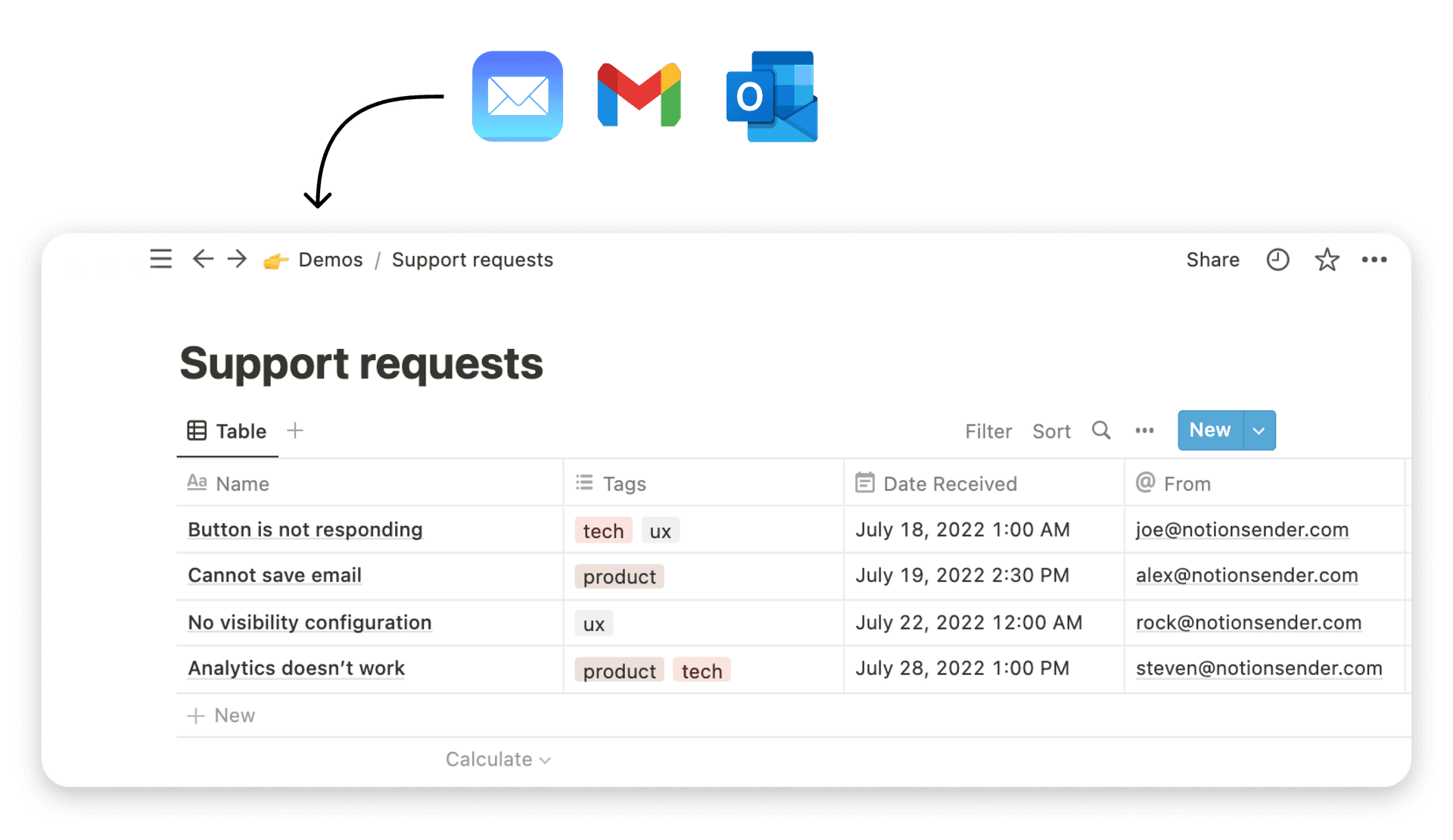
This is also why Ghost fits so well with a modern creator workflow. Notion can be the planning room where ideas, outlines, and editorial calendars live. Ghost can be the publishing and business layer where those ideas become posts, newsletters, subscriptions, and member relationships. Add NotionSender to connect that process, and you start to get an end to end content engine instead of a pile of disconnected apps.
Why that matters to the business
A publisher's operating system should do more than help you post content. It should help you run a stable media business.
| Task | In a fragmented stack | In Ghost |
|---|---|---|
| Publish an article | Post to CMS, then prep email separately | Publish once inside one system |
| Maintain branding | Sync templates across tools | Use one publishing environment |
| Grow subscribers | Connect forms and automations manually | Manage audience inside the platform |
| Launch paid content | Add extra software | Use native membership features |
The business effect is simple. Fewer handoffs usually mean fewer errors, faster publishing, and a cleaner experience for readers. That consistency matters if you want a newsletter that feels like a real publication rather than a collection of tools taped together.
If you're still comparing Ghost to broad site builders, it helps to review the broader benefits of content management systems first. Ghost becomes easier to evaluate once you see its role clearly. It is not trying to cover every website use case. It is trying to give independent publishers one system for content, audience, and revenue.
Unpacking the Core Publishing and Newsletter Features
A good publishing system proves itself on an ordinary Tuesday.
You draft a post, turn it into an email, fix a headline, add a signup prompt, and hit publish before the day gets away from you. If that routine needs five tools and constant checking, the work expands. If one system handles the writing, sending, design, and audience layer together, publishing starts to feel manageable again.

The editor supports publishing speed
Ghost gives writers a focused editor that stays close to the finished result. That matters more than it sounds. In many platforms, writing is only one part of the job. You also spend time correcting layout issues, checking how the email version will look, and cleaning up small presentation mistakes.
Ghost reduces that drag.
For publishers, the practical benefits are clear:
- Less visual noise helps you stay with the draft instead of bouncing around settings
- Flexible content blocks make it easier to add images, embeds, calls to action, and structure without wrestling with page builders
- Closer alignment between web and email reduces the usual friction of publishing the same idea in two formats
That last point is easy to underestimate. A newsletter business often breaks down at the handoff between article and email. Ghost treats them as parts of the same publishing job, which saves time and reduces avoidable errors.
Design consistency builds trust
Readers may never comment on your typography or spacing. They still notice when a publication feels inconsistent.
A newsletter that looks polished in the inbox but disconnected on the site creates a small trust gap. The same thing happens when signup forms, post pages, and member areas feel like they came from different products. It is similar to walking into a store with three different signs over the door. You can still buy something, but the experience feels less reliable.
Ghost themes help keep those pieces aligned. Your homepage, archive, post pages, signup flows, and member experience can feel like one publication with one identity. For independent publishers, that consistency does business work. It makes the brand easier to recognize, easier to remember, and easier to pay for.
Built-in publishing tools keep the stack smaller
This is one of Ghost's biggest advantages.
Instead of starting with a generic website platform and assembling the rest yourself, you start with a system built for publishing. That changes the day to day workflow in quiet but important ways. You spend less time connecting plugins, checking for conflicts, and fixing style mismatches after updates.
Ghost already assumes you need:
- A publication website
- Email newsletters connected to your posts
- Subscriber management
- Member access controls
- Reporting tied to content performance and business health
That is why Ghost fits the "business-in-a-box" idea so well for independent publishers. The content layer, audience layer, and revenue layer live in the same place. If you also plan in Notion and use NotionSender to move finished work into your publishing flow, you get a cleaner end to end system. Notion becomes the editorial workspace. Ghost becomes the publishing and business engine.
Here’s a quick product tour if you want to see the interface in motion:
<iframe width="100%" style="aspect-ratio: 16 / 9;" src="https://www.youtube.com/embed/jhT8kml-kzA" frameborder="0" allow="autoplay; encrypted-media" allowfullscreen></iframe>
Analytics stay close to the work
Ghost also includes native reporting tied to posts, newsletters, subscriber growth, and revenue performance.
That setup is useful because context stays intact. You are not exporting data from one tool, opening another dashboard, and trying to reconstruct what happened. You can review how a piece performed, how readers responded by email, and whether audience growth is moving in the right direction, all inside the same operating system you use to publish.
For a publisher, that leads to better decisions. You can spot which topics attract subscribers, which emails get attention, and which content supports the business instead of only generating pageviews.
Where people get tripped up
Ghost works best for publishers who want focus.
People sometimes arrive expecting an enormous extension marketplace and endless customization for every minor behavior. Ghost takes a different approach. It gives you a strong core for publishing, newsletters, memberships, and audience management, then lets you build a workflow around that core.
For many independent operators, that is a strength, not a limitation. A smaller, better connected system is often easier to run than a stack held together by add-ons.
Choosing Your Path Ghost(Pro) vs Self Hosting
You have your publication mapped out. Posts will live on your site, newsletters will go to subscribers, and memberships may become a revenue stream. Then one practical question decides how calm or complicated your setup feels each week: do you want Ghost managed for you, or do you want to run it yourself?
That choice is less about ideology and more about operating model.

A good way to frame it is this. Ghost can serve as a business-in-a-box for an independent publisher, but every business still needs infrastructure. Ghost(Pro) gives you a ready-to-run publishing shop. Self-hosting gives you the same publishing engine with the keys to the building, the wiring, and the maintenance closet.
Ghost(Pro) is for focus
Ghost(Pro) handles hosting, updates, security work, and the routine maintenance that keeps a publication stable.
For many publishers, that matters more than raw technical control. If your real job is writing, editing, selling sponsorships, managing clients, or building paid memberships, server work usually steals energy from the parts of the business that create revenue.
Choose Ghost(Pro) if your priority is:
- Launching quickly without configuring infrastructure
- Keeping maintenance off your calendar
- Making collaboration easier for editors, clients, or contractors
- Reducing downtime risk for a publication tied to your income
This path fits the publisher who wants an operating system, not a side hobby in DevOps.
Self-hosting is for ownership
Self-hosting appeals to technical operators who want more say over deployment, environment setup, and ongoing costs.
That freedom has a price. You are responsible for updates, uptime, backups, troubleshooting, and the small technical tasks that rarely feel urgent until something breaks. For a developer, that may be acceptable. For a solo publisher with a full editorial schedule, it can turn into background drag.
Self-hosting usually makes sense for:
- Developers and technical freelancers already comfortable running web infrastructure
- Teams with custom deployment requirements
- Operators who want tighter control over hosting costs and server configuration
As noted earlier, Ghost’s open-source model makes this route possible. The real question is whether control will create business value for you, or just create more work.
A practical comparison
| Decision area | Ghost(Pro) | Self-hosted Ghost |
|---|---|---|
| Setup | Faster to start | More hands-on |
| Maintenance | Managed for you | Your responsibility |
| Control | Less server-level control | More flexibility |
| Best for | Publishers and teams | Technical operators |
Here is the simplest decision test. If you want Ghost to function like the stable core of your content business, choose Ghost(Pro). If your publication is also a technical project, self-hosting can be a good fit.
Match the hosting choice to your workflow
This matters even more if you are building a modern content engine around Notion, Ghost, and delivery tools. A writer might draft and organize ideas in Notion, move approved content into Ghost, then refine send strategy over time using tactics like these email marketing tricks to increase newsletter open rates.
In that kind of system, Ghost(Pro) keeps the publishing layer predictable. Self-hosting gives technical teams more room to customize the environment around that workflow. Neither option is more professional. The better option is the one that protects your time and supports how you publish.
Building and Managing Your Audience Effectively
A newsletter does not become a business because the subscriber count goes up. It becomes a business when the right people keep hearing from you, keep finding value, and keep coming back.
That is where Ghost is stronger than a basic email tool.
For an independent publisher, audience management is not a side feature. It is part of the operating system. You are not only collecting email addresses. You are shaping reader expectations, organizing interests, and building the foundation for future products, memberships, and paid access.

Let readers choose what they want
A single list sounds simple at first. Over time, it creates a familiar publishing problem. New subscribers want one type of content, loyal readers want another, and paying members expect something more focused than the general audience receives.
Ghost handles this cleanly by letting you run multiple newsletters from one site. A reader can subscribe to the publication as a whole and still choose the streams that fit their interests.
That changes the relationship. Instead of forcing every subscriber into the same editorial bucket, you let people raise their hand for the topics they want.
A few common examples:
- A consultant publishes a weekly briefing and a separate client-focused analysis
- A media brand splits daily news from premium commentary
- A creator sends public updates to everyone and member-only notes to subscribers who want closer access
This structure usually improves engagement because relevance improves attention. Readers are more likely to open emails that match the reason they subscribed in the first place.
Start with intent, not demographics
Many publishers overcomplicate segmentation early. They build categories around job titles, industries, or audience assumptions before they understand what readers are signing up for.
A better starting point is intent.
Ask a simpler question. Why did this person join?
From there, a practical model often looks like this:
-
Main newsletter
Your core editorial product. This is the default subscription for the broadest audience. -
Topic-specific newsletters
Focused updates for readers who care about one subject, format, or use case. -
Member or customer communication
Private notes, event reminders, paid briefings, or product updates tied to a closer business relationship.
This is the same logic a good magazine publisher uses with sections. The front page attracts broad interest. Specialty columns keep niche readers loyal. Member communication serves the people who have gone one step further.
Migrate carefully so your data stays useful
If you are moving from Mailchimp, ConvertKit, or Substack, the import itself is rarely the hard part. The hard part is preserving meaning.
A messy list import gives you messy reporting, weak targeting, and poor first impressions. If old subscribers land in the wrong segment, your first campaigns in Ghost can underperform for reasons that have nothing to do with the platform.
Before importing, clean the list and define your structure:
- Remove contacts you should no longer email
- Keep tags or labels that still reflect subscriber intent
- Decide which newsletter each group should receive first
- Separate paying readers, warm leads, and inactive contacts where possible
Good audience management starts before the first send.
That matters even more if Ghost sits inside a larger workflow. A publisher might plan content in Notion, move finished pieces into Ghost, and then monitor which audience segments respond best. In that setup, clean subscriber data makes the whole system more useful.
Use engagement signals to shape editorial decisions
Once your audience is inside Ghost, the next job is pattern recognition.
Who opens consistently? Which topics earn clicks? Which group is fading out? Which subscribers only engage with one newsletter but ignore the rest?
Ghost makes those questions easier to answer because content, subscribers, and email performance live in the same publishing environment. You do not have to stitch together three tools just to see whether a topic is working.
That has a direct business effect. Better segmentation can lower unsubscribes, improve email performance, and give you a clearer path to future paid offers. If you are comparing audience-building systems against other best membership site platform options, this is one of Ghost’s practical advantages. It keeps publishing and audience operations under one roof.
If inbox performance is a weak point, pair Ghost’s segmentation with these email marketing tricks to increase your open rates. Better targeting and better subject line strategy usually work best together.
Monetizing Your Content with Memberships and Subscriptions
A healthy newsletter business usually follows a familiar pattern. Readers discover your free work, subscribe for updates, start trusting your point of view, and then ask for more depth, access, or consistency. Ghost is built for that progression.
Instead of treating publishing, email, payments, and member access as separate systems, Ghost brings them together in one publisher-owned setup. That matters for independent creators and small media brands because every extra tool adds friction. A reader who has to jump between disconnected checkout pages, login systems, and email platforms is more likely to drop off before becoming a paying member.
Start free, then introduce paid access with less disruption
Ghost supports both free and paid memberships inside the same publication. You can begin with open articles and a free newsletter, then add paid tiers once you know which topics, formats, or promises readers will pay for.
That continuity is easy to underestimate.
If your free audience and paid audience live in different systems, you spend time syncing lists, fixing access problems, and explaining where content lives. In Ghost, the path is clearer. A subscriber joins your world once, then moves deeper into it as the value becomes obvious.
For a publisher, that creates a stronger business foundation. For a reader, it feels more like subscribing to a publication and less like entering a maze of tools.
Why the fee structure changes the economics
Ghost is attractive to subscription publishers because the platform is designed around direct member revenue rather than taking a cut like a marketplace business. You still need to account for payment processing, but Ghost’s model leaves more room for your margins as recurring revenue grows.
That becomes more meaningful over time. A publication with 50 paying members can absorb a little inefficiency. A publication with 500 or 5,000 paying members feels every percentage point.
If you're comparing options more broadly, this roundup of best membership site platform options is useful because it shows how different tools approach memberships, access, and monetization.
Memberships work best when the offer is concrete
Paid newsletters rarely succeed because a paywall exists. They succeed because the reader understands what becomes better after upgrading.
In Ghost, that offer can take several forms:
-
Free newsletter plus paid analysis
Public posts build reach. Paid posts deliver sharper insight, research, or commentary. -
Protected archives and resources
Free readers get the current conversation. Members get the library, templates, guides, or past issues. -
Tiered access for different audiences
Casual readers stay on the free plan. Serious buyers, clients, or industry followers pay for closer access. -
Member-first publishing
Paying subscribers receive articles first, with public release later if that fits your strategy.
A good way to evaluate your own model is simple. Ask what your best readers would gladly pay to get faster, deeper, or in a more organized form.
Ghost supports the business, not just the paywall
Many tools can restrict content. Fewer help you run a publication as an actual business.
Ghost connects content, memberships, site access, and recurring payments in one operating system. That gives independent publishers a cleaner setup for testing offers, refining pricing, and improving retention. You are not building a stack of temporary fixes. You are building a publication with revenue built into the foundation.
That is why Ghost fits the "business-in-a-box" idea so well. Your website, newsletter, member experience, and subscription model can all live under one roof, while your editorial process stays flexible outside Ghost.
For example, a small team might plan premium newsletter issues in Notion, approve them there, and then publish to Ghost as gated posts for members. If that workflow matters to you, this guide on creating and sending emails from Notion shows how the content side can stay efficient while Ghost handles delivery and monetization.
The structural advantage
Ghost’s structural advantage is not only technical. It is operational.
When one system handles signup, content access, email delivery, and payments, your publication has fewer weak points. Support gets simpler. Reporting gets clearer. The customer experience improves because readers are dealing with one publication, not a patchwork of software.
For independent publishers, that difference often decides whether a newsletter stays a side project or grows into a durable media business.
Optimizing Your Workflow from Notion to Ghost
For many teams, Ghost shouldn't replace the place where ideas are developed. It should replace the clutter that happens after the draft is ready.
That’s where a Notion-to-Ghost workflow makes sense.
Use Notion as the editorial workspace
Notion is excellent for the messy middle of content creation.
You can brainstorm angles, collect research, draft issues, assign reviews, keep an editorial calendar, and manage approvals in one place. That’s especially useful for freelancers, small marketing teams, and founders who wear multiple hats.
A practical setup often includes:
- An idea database for raw topics and audience questions
- A production board with stages like draft, edit, approved, scheduled
- A content brief page for each newsletter or article
- A post-publication notes field for lessons from opens, clicks, and replies
Ghost then becomes the publishing engine, not the brainstorming environment.
Keep the handoff clean
The biggest workflow problem isn't writing. It's transfer.
When a draft moves from planning to publishing, people often lose context, formatting discipline, feedback, or timing. A clean process reduces all of that.
One sensible approach looks like this:
| Stage | Best tool |
|---|---|
| Planning and collaboration | Notion |
| Editing and approvals | Notion |
| Publishing and email delivery | Ghost |
| Subscriber experience and monetization | Ghost |
That separation is healthy because each tool does what it does best.
Where email-based workflow support helps
Some teams also want email tied into the editorial process itself. They may need draft notifications, approval requests, intake emails, or a way to route incoming content-related messages into their workspace.
In that case, it helps to understand how to create and send email from Notion so operational communication stays close to your planning system.
The smoothest publishing workflow usually has two homes. One for creating content, one for delivering and monetizing it.
The end-to-end content engine
When this system is working well, the pattern is simple.
You plan and collaborate in Notion. You finalize and publish in Ghost. Your website, newsletter, audience data, and memberships live in one publication layer instead of being spread across unrelated apps.
That’s the “business-in-a-box” advantage of the ghost newsletter platform. Not because it does everything. Because it handles the public side of publishing so completely that your private workflow can stay focused and calm.
Frequently Asked Questions About The Ghost Platform
Can Ghost work as a headless CMS
Yes, but with a caveat.
Ghost can power a custom front end through its APIs. That’s attractive for teams that want a customized site experience. The catch is that Ghost’s native post-to-email flow is strongest when you use Ghost in the standard way. Headless setups often require more custom work around newsletter functions and subscriber flows.
Is migrating from another newsletter platform hard
Usually, the hardest part isn't the import itself. It's organizing your audience before you move.
If your tags, segments, and content types are clear, migration is much smoother. If your existing system is messy, Ghost won't magically fix that. Clean the list first, define what each subscriber should receive, then migrate.
Are Ghost analytics enough on their own
For many publishers, yes.
Ghost’s analytics are especially useful because they connect newsletter performance, subscriber growth, and business metrics in one dashboard. If you run a publication and want actionable operational visibility, that’s powerful. If you need deeper attribution, ad reporting, or broader enterprise analytics, you may still want additional tools.
Is Ghost best for solo creators or teams
Both can use it well.
Solo creators benefit from the simple workflow and reduced tool sprawl. Teams benefit from having content, audience, and revenue mechanics inside one system. The better question is whether your business centers on publishing. If it does, Ghost is a strong fit.
Who should think twice before choosing Ghost
People who want a highly generalized website platform for every possible use case may prefer another tool.
Ghost is strongest when content, newsletters, memberships, and audience ownership are central to the business. If that isn’t your model, its focused design may feel narrower than you need.
If your team already plans content in Notion and wants a cleaner bridge between internal workflow and external communication, NotionSender is worth a look. It helps turn Notion into a more operational workspace for email, so your publishing process can stay organized before content ever reaches Ghost.