2 Bin System Kanban: A Simple Guide for Small Business

You probably have a few supplies or repeat tasks that keep sneaking up on you.
Maybe it's shipping mailers, sample packs, printer labels, coffee for the studio, replacement parts, or even client follow-up emails that only get handled once someone notices they're overdue. The pattern is the same. You use something steadily, you get busy, then one day you realize you're out.
That's exactly the kind of problem 2 bin system kanban solves. It's simple, visual, and surprisingly modern for a method that started on factory floors. Better yet, you can run the same logic in a small workspace, an e-commerce operation, or a service business using tools you already know, including Notion.
What Is a 2-Bin Kanban System
A 2-bin kanban system is a way to manage supplies using two containers for the same item.
You use items from the first bin. When that bin becomes empty, that empty bin is the signal to reorder. While the new stock is on the way, you use the second bin. When the reorder arrives, you refill the first bin and reset the cycle.
That's the whole idea.
If you want a home analogy, think about coffee. You keep one bag open for daily use and one backup bag in the cupboard. The moment the first bag runs out, you add coffee to your shopping list and start using the backup. You don't wait until both are empty.
That empty first bag is the kanban signal.

The two bins in plain language
Here's how the roles break down:
- Bin 1 is the working supply. Your team pulls from this bin every day.
- Bin 2 is the reserve supply. It stays untouched until Bin 1 is empty.
- The empty bin triggers action. That visual change tells someone to reorder.
- The reorder restores the cycle. New stock fills the empty bin while you consume the backup.
This is called a pull system because usage triggers replenishment. You're not ordering based on guesswork. You're ordering because real consumption happened.
Practical rule: If your team has to stop and ask, “Should we reorder this now?” the signal isn't clear enough.
Why this old system still works
The method has deep roots. The two-bin kanban system was one of the earliest visual inventory methods, originating during World War II in British aircraft factories producing Spitfire planes, where empty boxes signaled replenishment without heavy admin work, as described in Wikipedia's kanban history.
That history matters because it shows why the method lasts. It's not clever because it's complex. It works because people can see it instantly.
For a small business owner, that's the appeal. You don't need an expensive inventory platform to start. You need a clear signal, a backup quantity, and a habit your team can follow without thinking too hard.
Key Benefits for Your Small Business
Small businesses don't usually fail at inventory because they lack software. They struggle because reordering depends on memory, inbox clutter, or whoever notices the shelf looks low.
A 2 bin system fixes that by making reorder timing visible. It also protects cash. Instead of buying too much “just in case,” you keep enough to work smoothly and replenish based on actual use.
That's one reason kanban has held up so well. Data collected in manufacturing shows strong operational gains, including inventory cost reductions of up to 75% and inventory turnover that nearly doubled, with General Motors reporting a $6 billion saving tied to a 75% inventory cost reduction after applying kanban principles, according to these kanban implementation statistics. A small business won't operate at that scale, of course, but the underlying benefit is the same. Less money sits idle on shelves.
What that looks like in real life
For a small operation, the benefits are practical:
- Less cash tied up in supplies. You stop over-ordering mailers, labels, packaging inserts, toner, or raw materials you won't use soon.
- Fewer emergency purchases. Rush orders and last-minute store runs usually cost more and interrupt the day.
- Better customer reliability. You're less likely to delay fulfillment because a basic item ran out.
- Lower mental load. Your team doesn't need to constantly remember reorder timing.
If operations feel messy beyond inventory, Match My Assistant's expert guide is a useful read on tightening recurring workflows without adding bureaucracy.
Why small teams feel the impact faster
In a big company, one missing item causes friction. In a small company, it can stall the whole day.
If you ship handmade products and run out of padded envelopes, you stop shipping. If you manage client onboarding and run out of a key approval step, work piles up. The system matters more when the team is lean.
A good companion habit is keeping your workspace just as clear as your stock process. These Notion workflow tips for getting more out of your workspace can help if you're trying to reduce scattered task tracking alongside inventory cleanup.
A simple reorder signal often removes more stress than a long checklist ever will.
How to Size and Run Your Physical System
The hardest part of a physical 2 bin system kanban isn't labeling bins. It's choosing the right items and sizing them correctly.
This method works best for items you use often, in fairly predictable amounts, and can replenish reliably. Think shipping labels, tape rolls, screws, gloves, cleaning supplies, or standard packaging.

Start with the right items
Don't begin with your most complicated stock.
Use this filter:
| Good fit for 2-bin | Poor fit for 2-bin |
|---|---|
| Frequently used items | Rarely used items |
| Low-cost supplies | High-cost specialty items |
| Predictable demand | Highly erratic demand |
| Reliable suppliers | Unstable lead times |
If you run an Etsy shop, a good first candidate might be thank-you cards. If you manage a small office, printer paper may be the easier win. If you assemble products, standard fasteners often work better than unique custom parts.
Use the sizing formula
The standard formula is:
Number of kanbans = (Daily Demand × Lead Time × (1 + Safety Stock)) / Container Capacity
That sizing method, along with the key rule that the time to consume one bin must be longer than the supplier lead time, is explained in this two-bin kanban sizing reference.
Here's the plain-English version of each input:
-
Daily demand
How many units you usually use in a day. -
Lead time
How many days it takes from ordering to receiving. -
Safety stock
Your cushion for delays or usage spikes. -
Container capacity
How much one bin holds.
A simple example
Let's say you use shipping labels daily.
- You use labels steadily.
- Your supplier usually delivers quickly.
- You want a bit of extra coverage in case demand jumps.
- Your bin holds a set amount.
You'd plug those values into the formula and determine how many kanbans you need. In many small-business cases, that calculation confirms that two bins are enough, but only if one bin lasts longer than the reorder lead time.
If one bin empties before the supplier can refill it, the system isn't running lean. It's running late.
How to run it day to day
Once the bins are sized, the process should be boring. That's a good sign.
- Label both bins clearly so no one mixes items.
- Assign one person or role to place the reorder when Bin 1 empties.
- Keep the signal physical and obvious. Empty bin, card, tag, or reorder slip.
- Refill the empty bin first when new stock arrives, then place it back in reserve position.
If your team keeps “borrowing” from Bin 2 early, pause and check the size. That's usually a design problem, not a discipline problem.
Common Pitfalls and When the System Breaks
A lot of people assume a 2 bin system fails because staff forget to follow it. Sometimes that's true, but the deeper problem is usually mathematical.
If your supplier takes longer to replenish than it takes you to consume one bin, the system will break. That's the core issue. One lean practitioner put it bluntly: implementers often “don't do the math,” and if replenishment lead time is longer than the time to use one bin, stockouts are guaranteed, as discussed in this critique of two-bin systems.
Warning signs to watch for
These signs usually show up before a full failure:
- You hit the backup bin too early and feel nervous before the new order arrives.
- Stockouts happen even though you “have two bins.”
- Demand changes but bin quantities stay frozen.
- Supplier timing gets less predictable but nobody updates the setup.
Those are signals that your original assumptions no longer match reality.
When not to use this method
A 2 bin setup is not ideal for everything.
Skip it, or at least test carefully, when you're dealing with:
- Volatile demand such as seasonal surges or irregular project work
- Long lead times that create too much waiting risk
- Expensive items where holding backup stock feels wasteful
- Slow-moving parts that don't justify a dedicated reserve bin
Two bins don't magically create reliability. They only expose whether your replenishment timing is reliable enough.
If the system keeps failing, don't blame the bins first. Recheck consumption, lead time, and reorder behavior.
Bringing Your 2-Bin System into Notion
Physical bins are great when you're managing real supplies on shelves. But the logic works just as well for digital operations.
A service business can use the same structure for templates, approvals, client requests, or recurring deliverables. A small e-commerce brand can track reorder signals for packaging and stock. In Notion, the “bins” become statuses and views.

Build a simple Notion database
Create one database called Reorder System or Kanban Inventory.
Add properties like these:
-
Item name
The supply, template, or repeatable asset you're tracking. -
Status
Use options such as Using Bin 1, Reorder Needed, Using Bin 2, Ordered, and Received. -
Supplier or owner
The vendor name, team member, or person responsible. -
Reorder quantity
What should be ordered when the signal appears. -
Lead time notes
A short text field for expected turnaround. -
Last reordered
Useful for spotting drift over time.
Mirror the physical signal
The key is visibility. In a physical setup, you notice an empty bin. In Notion, you notice a status change.
Create a Board view grouped by Status. That gives you a digital kanban board where every item moves left to right as it progresses through the cycle. If you want ideas for turning Notion into an action hub, this guide on ways to use Notion for outbound workflows and communication is worth a look.
Here's one clean mapping:
| Physical system | Notion version |
|---|---|
| Bin 1 in use | Status set to Using Bin 1 |
| Bin 1 empty | Status changed to Reorder Needed |
| Bin 2 in use | Status set to Using Bin 2 |
| Order placed | Status set to Ordered |
| Stock received | Status set to Received, then reset |
This is a strong fit for businesses that already live in Notion all day. You don't need staff to check a shelf and a spreadsheet. The signal lives where work already happens.
Use a short operating rule
Keep the team rule simple:
When an item moves from active use to reserve use, update the status immediately.
That one habit gives you a digital version of the empty-bin signal.
A quick video makes the database idea easier to picture in practice:
<iframe width="100%" style="aspect-ratio: 16 / 9;" src="https://www.youtube.com/embed/ZtePOJTLoMk" frameborder="0" allow="autoplay; encrypted-media" allowfullscreen></iframe>
You can also create filtered views by supplier, by item type, or by items currently waiting to be ordered. That's where Notion starts to outperform the purely physical approach. The logic stays simple, but your visibility gets broader.
Automating Reorders with NotionSender
Once your 2 bin system kanban lives in Notion, the next improvement is obvious. Don't stop at a visible signal. Turn the signal into action.
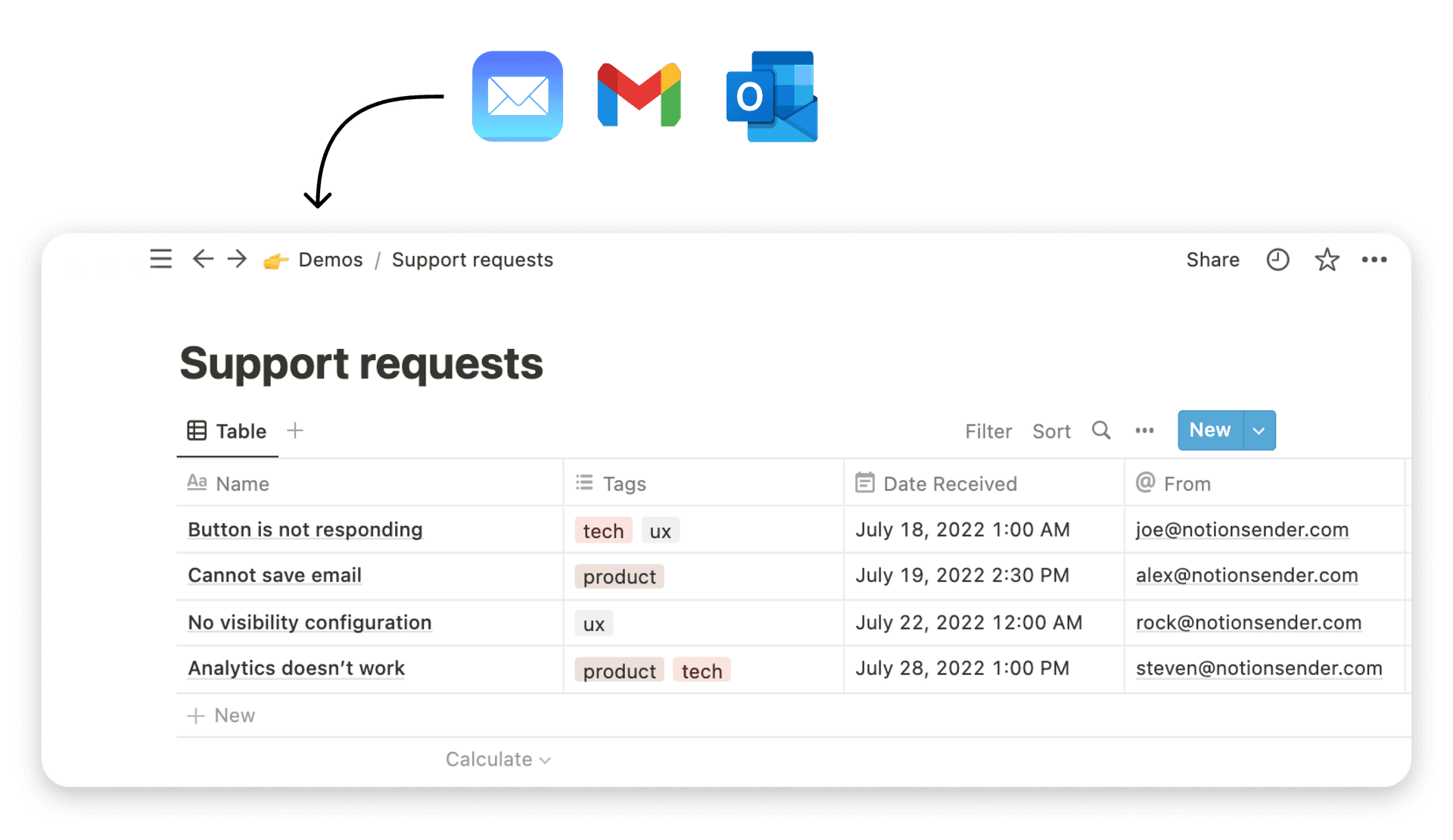
The modern version of handing over an empty bin is changing a status in Notion and letting an automated workflow handle the message.

What to automate
A useful setup looks like this:
- A team member changes an item's status from Using Bin 1 to Reorder Needed.
- That status change triggers an email workflow.
- The supplier receives a prewritten reorder email with the item name and quantity.
- The item status updates again once the order is placed or confirmed.
For a small team, that removes the most failure-prone step. Not noticing low stock is one problem. Not sending the order promptly is another. Automation closes that gap.
Why this matters beyond inventory
This approach also works for service businesses.
You can use the same pattern when:
- a client request reaches a trigger point
- a contract enters renewal range
- a content asset needs approval
- a recurring admin task hits its next action state
That's why digital kanban matters now. It isn't only about shelves. It's about making demand visible and giving your team a dependable next step.
If you're exploring how systems connect across storefronts, orders, and workflows, Zinc's piece on Ecommerce API infrastructure and agentic commerce offers a useful broader lens on where automated business operations are heading.
Keep the workflow lightweight
You don't need a giant integration project. Start with one category of repeat purchasing and one email template.
Use fields such as:
- Supplier email
- Default reorder quantity
- SKU or item reference
- Internal notes
- Order sent checkbox
If you want the technical side for connecting these steps, the NotionSender API documentation shows how to move from a database signal to a sent email.
The best automation is the one your team trusts. Clear trigger. Clear message. Clear status update.
If you already run your work inside Notion, NotionSender can help you turn simple status changes into real outbound actions like reorder emails, follow-ups, and recurring operational messages. It's a practical way to make a classic 2-bin idea feel native to a modern workspace.