10 Catchy Subject Lines for Newsletter That Work

Is your newsletter underperforming because the content is weak, or because the wrong people never open it in the first place? Most advice on catchy subject lines for newsletter campaigns stops at surface tricks: add urgency, ask a question, toss in a power word. That's not enough when inboxes are crowded and readers decide in seconds whether your message earns attention.
The subject line is still the first gate. In 2023, 33% of recipients opened emails because of catchy subject lines, according to subject line statistics compiled by Salesgenie. But what counts as “catchy” has changed. Words that once felt harmless can now drag performance down, while clearer, more action-oriented language has grown stronger. That shift matters if you send a newsletter to clients, leads, subscribers, or internal stakeholders.
This guide treats subject lines as strategic tools, not copywriting decorations. You'll get 10 practical frameworks, the psychology behind each one, and examples you can adapt for your own campaigns. The goal isn't to write one clever line. It's to build a repeatable system for writing catchy subject lines for newsletter sends that fit the message, audience, and context.
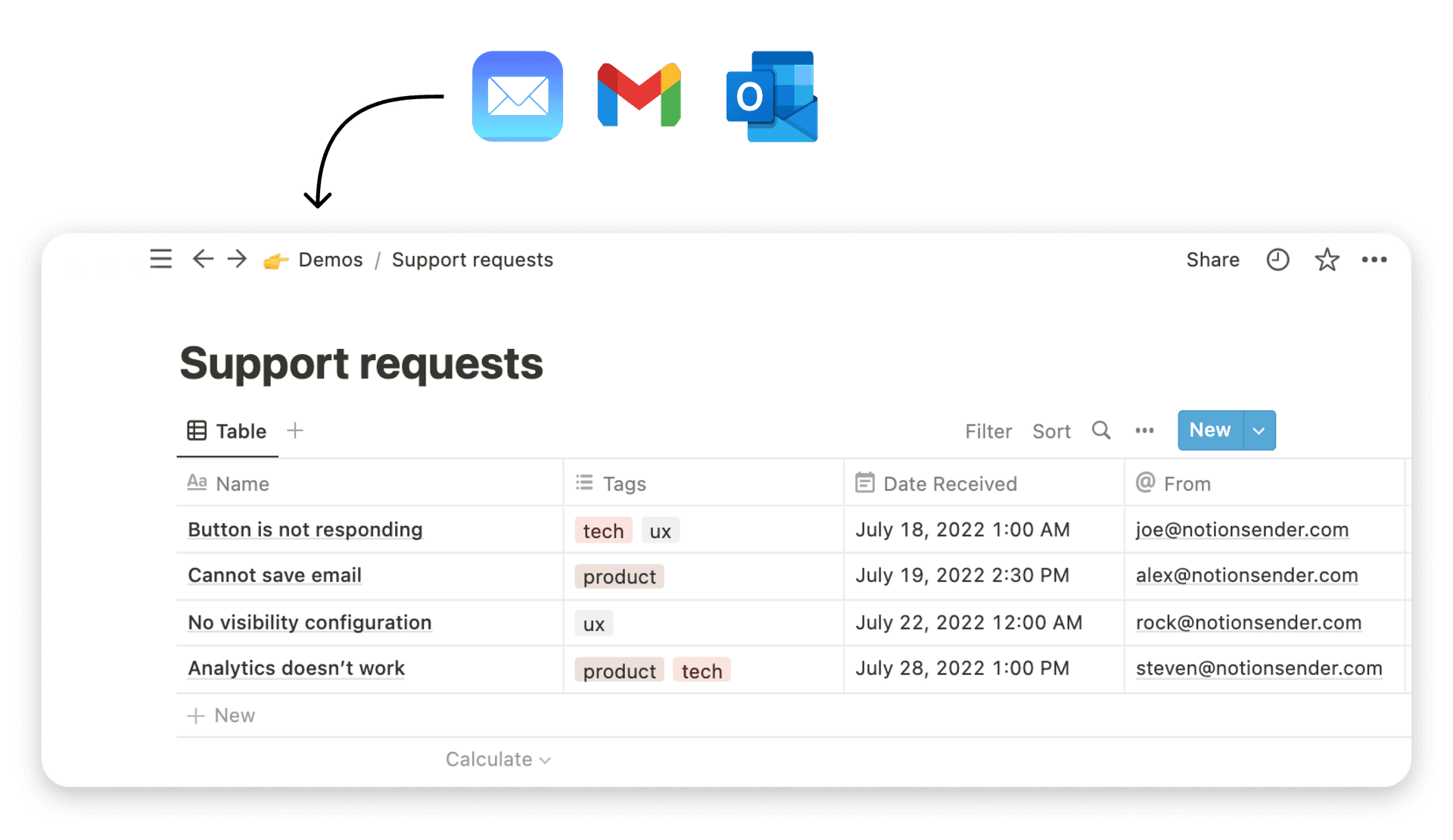
That's where a workflow tool matters. When you manage ideas, send campaigns, and store communication context in one place, it gets much easier to test what works. If your broader goal is to build a loyal newsletter audience, strong subject lines are one of the first habits worth tightening.
1. The Curiosity Gap Subject Line
Curiosity works when you withhold just enough information to create tension, but not so much that the line feels vague or manipulative. Good curiosity subject lines hint at a useful answer. Bad ones sound like clickbait and create disappointment before the email even opens.
A strong example for a product or operations newsletter looks like this: “One Tool Just Eliminated Our Email Chaos” or “Your Team's Productivity Is About to Change.” Each line implies a meaningful result, but the reader still has to open to learn what caused it.

How to make curiosity useful
The best curiosity gaps sit on top of a real pain point. If you write to project managers, the hidden answer might be missed follow-ups, scattered client requests, or email buried outside the workspace. If you write to freelancers, it might be slow approvals or lost invoice threads.
Use this framework:
- Pain plus change: “Your client follow-ups are about to get easier”
- Discovery plus implication: “We found what's slowing your weekly updates”
- Specific reveal withheld: “The workflow fix our team didn't see coming”
Curiosity only works if the email body resolves the tension quickly.
That last part matters. If the subject line promises a surprising fix, the opening paragraph of the newsletter should deliver it right away. Don't bury the answer under a long preamble.
Where this framework breaks
Curiosity is weaker when your audience needs clarity more than intrigue. A weekly product roundup, billing update, or deadline reminder usually performs better with a more direct line. Curiosity also loses force if you use it every week. Readers learn the pattern, and the novelty disappears.
In NotionSender, this style works well when you're introducing a new workflow, feature, or lesson learned from your team's process. Save curiosity for updates where the open leads to a genuine “that's useful” moment.
2. The Specific Number & Benefit Subject Line
Want more opens from readers who scan their inbox in seconds? Give them a number and a payoff they can judge at a glance.
This framework works because it answers two questions immediately. How much is in here, and why should I care? For newsletter readers who want practical ideas they can apply fast, that clarity often beats clever wording.
Databox shared a useful example from DWR: “Four Critical Questions Every Business Must Answer” reached a 19% open rate, while “Business Tips Inside” reached 12%, based on Databox's email subject line case study. The stronger line worked because the number and the benefit reinforced each other.
Use numbers to frame the promise
A good number-based subject line does more than count items. It sets expectations for the kind of value inside. This makes it a strategic framework, not just a copy trick.
Use it when your newsletter contains a list, checklist, sequence, teardown, or set of examples.
Good examples:
- 4 Questions to Fix Your Client Follow-Up Process
- 3 Newsletter Tweaks That Make Replies Easier
- 5 Ways to Keep Project Emails Organized in Notion
Weak versions:
- Better Email Tips
- Improve Your Workflow Today
- Helpful Updates for Your Team
The gap is simple. Specific numbers reduce uncertainty. Specific benefits make the click feel worth it.
Pick the number first, then sharpen the outcome
I usually build these subject lines in two passes. First, choose the actual structure of the email. Then write the benefit in plain language.
A repeatable template:
- [Number] [items] to get [outcome]
- [Number] ways to reduce [problem]
- [Number] examples of [result]
- [Number] fixes for [specific bottleneck]
That process helps avoid the lazy version of this format, where every send becomes “7 tips” with no clear reason behind it.
Trade-offs to manage
This pattern loses force if you use it every week. Readers start recognizing the format before they register the value. It also falls flat when the email is not structured. If the body is a loose essay, a numbered subject line creates the wrong expectation.
A practical filter is to tie the number to one concrete outcome:
- Efficiency: fewer tools, faster follow-up, cleaner handoff
- Decision-making: clearer priorities, fewer stalled approvals
- Learning: lessons, mistakes, templates, examples
Practical rule: If the number does not make the content easier to grasp, leave it out.
In NotionSender, this framework fits best when the newsletter teaches a repeatable process. Examples include triaging inbound emails into a database, building a weekly reporting routine, or standardizing client communication. That makes this category easy to systematize. Tag the send as Number plus Benefit, draft from a saved template, and match it to issues that already have a clear list structure.
3. The Personal Connection Subject Line
Personalization isn't always about inserting a first name. Sometimes the stronger move is making the reader feel recognized. A good personal connection subject line sounds like it belongs to one person with one problem, even when it's sent to a segment.
That can be as simple as “Your team's inbox doesn't have to be chaotic” or “A quicker way for consultants to manage client email.” These work because they name the reader's situation directly.

Personal doesn't mean overfamiliar
Overly personalized subject lines can feel forced, especially in broad newsletter sends. If your list is mixed, role-based language is often better than token-based language. “For agency owners juggling too many follow-ups” feels more grounded than a first-name insert pasted onto a generic message.
Segmentation inside your workflow matters for this reason. If you separate subscribers by use case, such as invoices, meetings, client delivery, or internal ops, you can write lines that feel specific to their needs without sounding invasive.
Try these patterns:
- For [role], one fast fix for [problem]
- Your [process] doesn't need to be this messy
- A small win for teams handling [task]
What to watch inside NotionSender
NotionSender is useful here because the same system that sends your newsletter can also reflect context from your workspace. If you already organize contacts by role, project type, or communication need, you don't have to invent segmentation from scratch.
There's one trade-off. Personalization increases complexity. More versions mean more room for bad fields, awkward phrasing, or mismatched audience logic. Before you personalize subject lines, make sure your contact data is clean and your segments are meaningful.
For a newsletter, the safest version of personalization is relevance. Write as if the recipient's workday is in front of you, and the subject line should sound like it belongs in that day.
4. The Pattern Interrupt Subject Line
Most inboxes are visually repetitive. Title case. Predictable wording. Same rhythm. Pattern interrupt subject lines try to break that routine so the eye pauses for a second longer.
That pause can help. A line like “STOP managing emails in 5 different apps” stands out because it uses contrast, command language, and unusual emphasis. Another version might be “Your workspace was missing THIS” or “This workflow is weird. It works.”

Use it sparingly or it stops working
Pattern interrupts are useful because they're not normal. If every newsletter uses all caps, dramatic punctuation, or odd phrasing, the device becomes your default style and loses impact.
This framework works best for:
- Launch announcements
- Strong opinion pieces
- Workflow shifts that challenge a familiar habit
- Re-engagement emails that need to break visual monotony
It works poorly for:
- Formal client communications
- Sensitive updates
- Executive audiences that prefer restrained language
- Newsletters where trust depends on consistency and calm tone
Some readers respond to surprise. Others read it as noise. Your audience decides which one it is.
Keep the disruption controlled
A good pattern interrupt still communicates a real message. Don't use weird formatting to compensate for a weak idea. The line has to be legible, branded, and credible.
One practical approach is to interrupt only one element:
- capitalization
- a single surprising word
- a short command
- an unexpected contrast
If you run newsletters through NotionSender for teams that also store emails in databases, moderation matters even more. The subject line may need to catch attention for humans while still staying clear enough for future search, categorization, and reference. If the line looks clever but becomes useless later in the workspace, it's doing half the job.
5. The Action-Oriented Benefit Subject Line
Want more opens from busy readers who scan fast and decide faster?
Use a subject line that starts with the action and ends with the payoff. This framework works best when the email offers a clear next step, a practical fix, or a result the reader can picture in seconds.
Examples:
- Reclaim 3 hours from your weekly newsletter process
- Automate client follow-ups inside Notion
- Fix the handoff between content and email
- Cut newsletter prep time with one template
The psychology is simple. Readers do not have to guess what the email contains or why it matters. That makes this format useful for tutorials, product updates, workflow changes, and limited offers tied to a concrete outcome.
Lead with the job the reader wants done
Start with a strong verb. Then attach it to a specific benefit, task, or bottleneck.
A weak version says:
- Improve your workflow
A stronger version says:
- Organize incoming campaign requests in one place
That difference matters. Generic benefit language sounds like marketing. A clear operational outcome sounds like help.
I use this framework when the email contains something a reader can apply the same day. If the content helps them save time, reduce manual work, ship faster, or clean up a messy process, direct benefit usually outperforms a clever line.
For additional examples, see these email marketing tricks to improve open rates.
Where this format wins
Action-oriented benefit subject lines tend to perform well with business readers who are triaging an inbox between meetings, client work, and deadlines. They reward clarity because clarity lowers decision effort.
This is also one of the easiest frameworks to systematize inside NotionSender. Create a small subject-line matrix with three fields:
- verb
- audience or task
- outcome
That gives you repeatable templates such as:
- Automate [task] for [audience]
- Reduce [problem] in [process]
- Get [result] without [friction point]
Now the team is not brainstorming from scratch each send. They are choosing a proven structure, swapping in the right variables, and matching the subject line to the email's actual promise.
The trade-off: clarity can become bland
The main risk is sameness. If every subject line starts with "Improve," "Boost," or "Get," readers stop noticing the difference.
Fix that by tightening the benefit. Name the system, the bottleneck, or the output:
- Shorten approval cycles for newsletter drafts
- Track replies without leaving Notion
- Send cleaner campaign updates to clients
That is the practical standard for this category. Clear enough to scan. Specific enough to believe. Useful enough to earn the open.
6. The Social Proof & Scarcity Subject Line
This framework can work well, but it's the easiest one to abuse. Social proof tells the reader other people already trust the thing you're offering. Scarcity tells them waiting may cost them access. Combined, they create pressure with reassurance.
The problem is credibility. If the proof is vague or the scarcity is fake, readers notice. Once they do, future subject lines lose trust fast.
Use proof you can actually support
Good social-proof style subject lines:
- Why project managers keep forwarding this workflow
- The template our clients ask for most
- Exclusive early access to our new email automation setup
Weak versions:
- Everyone is using this now
- Last chance forever
- The best newsletter system on the market
This is one of those areas where restraint helps. Instead of shouting popularity, you can imply proven value through adoption language, customer behavior, or limited-access framing that reflects a real launch stage.
Scarcity has to be operationally true
If you say access closes Friday, it should close Friday. If you offer early access, there should be a real early-access window. If you have a limited rollout because onboarding is manual or the feature is still being introduced, say so.
A practical example for a NotionSender newsletter might be a subject line tied to a new workflow template, beta feature, or limited onboarding cohort. That kind of scarcity feels earned because there's a real operational reason behind it.
Use this framework when:
- you're opening a pilot
- you're releasing a limited template pack
- you're inviting subscribers to a workshop or walkthrough
- you're announcing early access to a new setup
Skip it when the newsletter is educational and evergreen. Artificial scarcity attached to general advice usually feels out of place.
7. The Problem-Agitation-Solution Subject Line
What makes a reader open right now instead of saving your email for later? Often, it is a problem they already want solved.
The Problem-Agitation-Solution framework works best when the pain is active, specific, and easy to recognize. You are not creating tension from scratch. You are naming a friction point the subscriber already deals with, then signaling that the email contains a practical way out.
Examples:
- Emails scattered everywhere? Here's the fix
- Stop losing client threads across tools
- Missed follow-ups slowing projects down?
- Client replies buried again? Fix the workflow
The quality of this framework depends on precision. Broad pain sounds dramatic. Operational pain gets opens because it feels real.
Good agitation usually points to one clear consequence:
- missed replies
- broken handoffs between teammates
- project context split across inboxes and tools
- extra admin work caused by switching systems
That distinction matters. “Inbox chaos is killing momentum” has energy, but “Client replies lost across tools” is stronger because the reader can picture the exact failure point. It also holds up better after the send if the message is stored inside a system like NotionSender and revisited later.
I use this framework carefully because it can turn salesy fast. If the subject line sounds louder than the actual problem, trust drops. Keep the agitation short. Put the weight on the problem and the promised fix.
If you want the email body to carry that same practical tone, NotionSender has a useful guide on how to send the perfect email to get the response you want.
Why this framework works especially well in an organized workflow
This category is more than a copywriting trick. It is a strategic framework you can reuse across campaigns. In a simple listicle, these would just be examples. In practice, they work better as a repeatable system: identify the friction, name the consequence, then write a subject line that promises a contained fix.
That is especially useful in NotionSender, where subject lines often do two jobs. They need to earn the open, and they need to remain clear once the campaign is logged, categorized, and referenced inside your workspace. MyEmma's discussion of newsletter subject line patterns helps illustrate the broader gap in common advice. Many examples are catchy in the inbox but less useful once you need the subject line to stay understandable in a larger email system.
A practical template: [Problem] + [consequence] + [implied fix]
For example:
- Follow-ups slipping through? Use this reply system
- Too many tools for client email? Simplify it
- Project updates getting missed? Fix the handoff
Use this framework when the email solves an immediate workflow problem. Skip it for light updates, brand storytelling, or aspirational thought leadership. In those cases, pressure lowers performance. Here, relevance does the work.
8. The What If and Possibility Subject Line
This is the aspirational framework. It invites the reader to step into a better future without forcing a hard claim. It works best when the newsletter offers a transformation, not just information.
Examples include:
- What if your workflow lived in one place?
- What if client email never slipped through the cracks?
- Imagine your projects and inbox finally aligned
Use possibility when the payoff is easy to picture
Readers don't open because a hypothetical sounds poetic. They open because they can imagine the gain. The future state needs to be concrete enough to feel useful.
For a freelancer, that might be every client conversation tied to the right project page. For a project manager, it might be one place to track follow-ups without bouncing between inbox and task board. For a marketing team, it could be sending campaigns and storing campaign context inside the same workspace.
This framework often works well near the top of the funnel because it speaks to ambition. It asks the reader to consider a better operating model rather than one immediate fix.
Pair vision with grounded copy
Possibility can drift into fluff if the email body doesn't quickly make the scenario real. The subject line can be expansive, but the opening should become practical fast. Show the system, the process, or the example.
Use this style when you're introducing:
- a new way of working
- an integrated workflow
- a strategic shift in how teams handle communication
- a broader editorial piece about working better
Avoid it when the message is purely transactional. “What if your receipt were easier to find?” is trying too hard. Vision works when the underlying change is meaningful.
9. The Comparison & Contrast Subject Line
Comparison is one of the fastest ways to make value obvious. Readers understand your offer more quickly when they can compare the current state with the improved state. That's why before-and-after language works well in newsletters about workflow, tools, and operations.
Examples:
- Your old email workflow vs one system inside Notion
- Stop switching apps. Keep email in your workspace
- Gmail plus project notes plus task updates, now in one place
Contrast clarifies the promise
This framework is especially effective when your audience is patching together multiple tools. They already know the friction. The subject line just puts a name on the contrast.
Good comparison subject lines usually rely on one of these structures:
- old way vs new way
- scattered vs centralized
- manual vs automated
- separate tools vs one workspace
The benefit becomes easier to grasp because the reader supplies half the meaning from their own experience. If they're tired of context switching, “Stop switching apps” lands immediately.
Don't turn comparison into a cheap attack
This framework gets weaker when it becomes a competitor takedown. Most newsletters don't need that energy. The cleaner move is comparing methods, not brands.
That's especially true for a tool like NotionSender. The primary value often isn't “our app beats their app.” It's “your email process becomes easier when communication lives closer to your project system.” That is a stronger and more durable contrast.
If your newsletter also gets archived inside your operational workspace, comparison lines can be very useful later. They're plain enough to remember, easy to scan, and clear when you revisit them in context.
10. The Authority & Expert Insight Subject Line
What makes someone open an email that sounds expert instead of skimming past it as empty posturing?
Authority subject lines work when they promise judgment shaped by practice. The reader expects a tested point of view, a useful standard, or a lesson pulled from real campaign decisions. That makes this category different from curiosity or comparison. The job here is not to tease. The job is to signal, clearly, that the email contains hard-won insight.
Examples:
- The email workflow advice operations teams keep missing
- An expert guide to running newsletters inside Notion
- What experienced operators do differently with email systems
Use authority to frame a point of view
Strong authority lines usually point to one of three things:
- expertise earned through repeated execution
- insight based on patterns across campaigns
- a clear recommendation with trade-offs
That last point matters. Real authority includes limits. If the email says a process is better, explain for whom, under what conditions, and what it costs in time or complexity. Readers trust that kind of specificity because it sounds like someone who has done the work.
I use this framework for emails that teach a system, not just a tip. It fits especially well when the newsletter explains how to move from ad hoc sending to a repeatable workflow inside one workspace.
Keep the subject line credible
Authority gets weak fast when the subject line overclaims. Words like "expert" or "best" only work if the body delivers structure, examples, and a usable next step. A safer pattern is to anchor the subject line in the source of the insight.
For example:
- What we learned from rebuilding our newsletter workflow
- Expert lessons from managing email inside Notion
- A better way to review, send, and archive newsletters
This is also where a practical system helps. If your process lives in one place, you can turn campaign notes, test results, and editorial decisions into stronger authority-based emails instead of writing from memory. NotionSender's guide with expert tips for sending successful emails is useful if you want the operational side to support the copy.
Best use cases for this style
Authority subject lines are a good fit for:
- benchmark commentary
- lessons from repeated testing
- workflow recommendations for operators and managers
- educational newsletters that need trust before the click
Readers open authority-driven emails when they expect informed judgment they can apply.
Use that standard when you write. If the email contains a real recommendation, a clear reason behind it, and an honest trade-off, this framework earns opens without sounding inflated.
10-Point Comparison: Catchy Newsletter Subject Lines
| Subject Line Style | Implementation Complexity 🔄 | Resource Requirements ⚡ | Expected Outcomes ⭐📊 | Ideal Use Cases 💡 | Key Advantages ⭐ |
|---|---|---|---|---|---|
| The Curiosity Gap Subject Line | Low–Medium, simple copy, needs balance | Low, copywriting + A/B tests | Higher open rates; risk of disappointment if content fails | Feature teasers, newsletter open-rate boosts | Drives opens through intrigue |
| The Specific Number & Benefit Subject Line | Medium, requires accurate data & framing | Medium, analytics, case studies, verification | Strong credibility and measurable CTR lift (reported +20–30%) | ROI reports, productivity claims, data-driven updates | Conveys specificity and trust |
| The Personal Connection Subject Line | High, segmentation + dynamic tokens | High, CRM, clean data, segmentation | Significant open/CTR improvements (often +50%) if executed correctly | Targeted onboarding, persona-driven campaigns | Builds emotional connection and loyalty |
| The Pattern Interrupt Subject Line | Medium, creative but risky | Low–Medium, creative testing, monitoring spam rates | Exceptional visibility for the right audience; variable performance | Creative launches, announcements for younger/progressive audiences | Stands out visually and memorably |
| The Action-Oriented Benefit Subject Line | Low, direct copy with strong verbs | Low, persuasive copy, clear offer | High conversion potential; clearer CTAs, sometimes lower opens than curiosity | Tutorials, conversion-focused and time-sensitive campaigns | Sets expectations and motivates action |
| The Social Proof & Scarcity Subject Line | Medium, needs authentic proof and timing | Medium, testimonials, user counts, legal checks | High urgency-driven conversions when genuine; trust gains | Launches, limited offers, milestone announcements | Combines credibility with FOMO for conversions |
| The Problem-Agitation-Solution Subject Line | Medium–High, needs audience research | Medium, customer interviews, tested messaging | Highly engaging if pain is accurate; risk of sounding exploitative | Value-proposition emails, case studies, pain-point outreach | Resonates emotionally and highlights solution relevance |
| The "What If" and Possibility Subject Line | Low–Medium, imaginative framing | Low, visionary copy, alignment with product roadmap | Inspires interest and aspiration; can be perceived as vague | Vision-setting emails, roadmap reveals, partnership outreach | Encourages imagination and long-term engagement |
| The Comparison & Contrast Subject Line | Medium, requires clear differentiators | Medium, competitive research, careful wording | Clarifies value quickly; may offend if comparisons feel unfair | Onboarding, migration campaigns, feature comparisons | Highlights superiority through side-by-side contrast |
| The Authority & Expert Insight Subject Line | High, must deliver expert-level content | High, research, credentials, expert contributors | Builds thought leadership and attracts quality readers | Educational newsletters, whitepapers, industry insights | Establishes credibility and trust through authority |
Beyond the Subject Line Automate and Win with NotionSender
What turns catchy subject lines for newsletter campaigns into a repeatable result instead of a one-off win?
A usable system.
Strong subject lines usually come from a framework, not a burst of inspiration. The useful shift is to stop treating them as isolated lines of copy and start treating them as tagged assets inside a testing workflow. That matters even more for small teams. Time is limited, testing is inconsistent, and good ideas disappear into drafts, chat threads, or old campaign tools.
NotionSender helps bring that process into one place inside Notion. You can write subject lines, map them to a psychological framework, connect them to the actual campaign, and keep the result beside the brief, audience, and send context. That gives you something better than a swipe file. It gives you a working record of what you tried, why you tried it, and where it worked.
A simple setup is enough. Create a Newsletter Ideas database with fields for Subject Line, Framework, Audience Segment, Email Goal, Preheader, A/B Version, Result Notes, and Reuse Status.
The value is in the categorization.
If a subject line uses curiosity, label it Curiosity Gap. If it promises a measurable outcome, tag it Specific Number and Benefit. If it reframes a familiar problem, mark it Pattern Interrupt or Problem-Agitation-Solution. Over time, you stop asking, “Which subject line worked?” and start asking better questions: Which framework worked for onboarding emails? Which one underperformed with current customers? Which angle got opens but failed to match the email body?
That is the difference between collecting examples and building an actual subject-line system.
Small teams need this structure because generic advice usually stops at “run A/B tests.” The missing part is the operating method: how to store tests, review them, and reuse what held up. That gap is called out in this discussion of subject line testing for small teams, and it matches what happens in practice. Without a clear process, teams test inconsistently and learn very little from the result.
A practical NotionSender workflow looks like this:
- Capture options early: Draft three to five subject lines when the newsletter outline is still taking shape. Late-stage subject lines tend to be generic because the team is rushing to send.
- Tag the angle: Assign each option to one of the frameworks from this article. That keeps the test strategic instead of random.
- Write the preheader beside it: Subject line and preheader should work as a pair, not as separate tasks handled at different times.
- Attach campaign context: Keep the send date, audience, offer, and email goal in the same record so later review is grounded in the actual campaign.
- Review with plain-language notes: Record what happened and why you think it happened. “Strong open rate, but curiosity line overpromised” is more useful than a raw metric with no context.
- Promote proven lines into a reusable library: Save winners by use case such as product update, educational send, launch email, re-engagement, or founder note.
The preheader deserves its own field because it changes how the subject line lands. As noted earlier in the article, subject line and preheader combinations perform better when the second line continues the first instead of repeating it. In practice, that means a curiosity-based subject line can use the preheader to add specificity, while a direct benefit subject line can use the preheader to lower friction or clarify who the email is for.
Length also benefits from process, not guesswork. As noted earlier, shorter and mid-length subject lines often perform better than bloated ones, but strict formulas break down fast. A six-word line can work. So can a longer one if the value is clear. The better rule is to keep only the words that change the decision to open.
The same goes for weak defaults. Labels like “newsletter” or vague internal phrasing rarely carry much persuasive weight. A framework tag in your database helps catch that. If the line is supposed to be Specific Number and Benefit, the wording should show a number and a clear payoff. If it is supposed to be Personal Connection, it should sound like it was written to a real segment, not to a list.
This workflow also makes trade-offs easier to manage. Curiosity lines can lift opens but disappoint if the body copy does not deliver. Social proof lines can convert well but require stronger proof and cleaner compliance review. Pattern interrupts grab attention, but overuse makes a brand sound gimmicky. Storing the framework with the outcome helps you see those trade-offs over time instead of relearning them every quarter.
NotionSender fits that job well because the work stays close to where planning already happens. Campaign ideas, briefs, subject-line tests, and send records live in the same workspace. The result is a subject-line process your team can maintain, not a best-practices document nobody updates.
And when that process is tied to sending, review, and reuse, subject lines stop being last-minute copy decisions. They become part of a repeatable communication system. That is also how teams start transforming digital lead generation into a process that is easier to review, improve, and sustain.
If you want your newsletter process to be more than a pile of drafts and guesswork, NotionSender gives you a practical way to write, organize, send, and track email directly inside Notion. Build a subject-line database, connect campaigns to projects, keep email records searchable, and turn each send into a better-informed next send.