10 Best Email Backup Solutions for 2026

A client is waiting on an approval thread. Finance needs an invoice from last quarter. Someone deletes the wrong mailbox folder, or an account gets hit during a broader compromise. That's usually when teams realize the inbox wasn't just a communication tool. It was the record of what happened, who approved it, and what the business promised.
Email backup solutions exist for that moment. Microsoft 365 and Google Workspace are resilient platforms, but resilience isn't the same as keeping long-term, recoverable copies of business-critical mail. Backup matters when you need to restore a message, recover a mailbox, prove what was sent, or retain records without trusting that the production tenant will always be enough.
That need is no longer niche. In the Unitrends 2025 State of Backup and Recovery report, Microsoft 365 was the most widely used collaboration platform, with more than 50% of respondents using it, while Google Workspace was used by 35% and Salesforce by 25%. In the same report, email was the most common recovery target, restored daily by 22% of respondents and weekly by 25%.
If you're evaluating options now, the core question usually isn't “which product has the longest feature list?” It's “which approach fits our workflow?” Some teams want an all-in-one cloud service. Some want native tooling inside Microsoft. Some buy through an MSP and need multi-tenant management. And some don't need a full backup platform for every message. They need critical emails preserved inside a workflow system.
1. Veeam Data Cloud for Microsoft 365

A common buying scenario looks like this. The business runs heavily on Microsoft 365, the IT team wants recoverable copies of mail plus related collaboration data, and nobody wants to build and maintain backup storage separately. In that setup, Veeam Data Cloud for Microsoft 365 fits the all-in-one cloud approach better than tools that focus only on mailbox preservation.
The practical advantage is scope tied to operations. Exchange Online backup sits alongside coverage for Teams, OneDrive, SharePoint, and, in higher tiers, Entra ID. That matters during real restores. A mailbox issue often overlaps with lost files, deleted Teams content, or identity changes tied to the same user account.
Where it works best
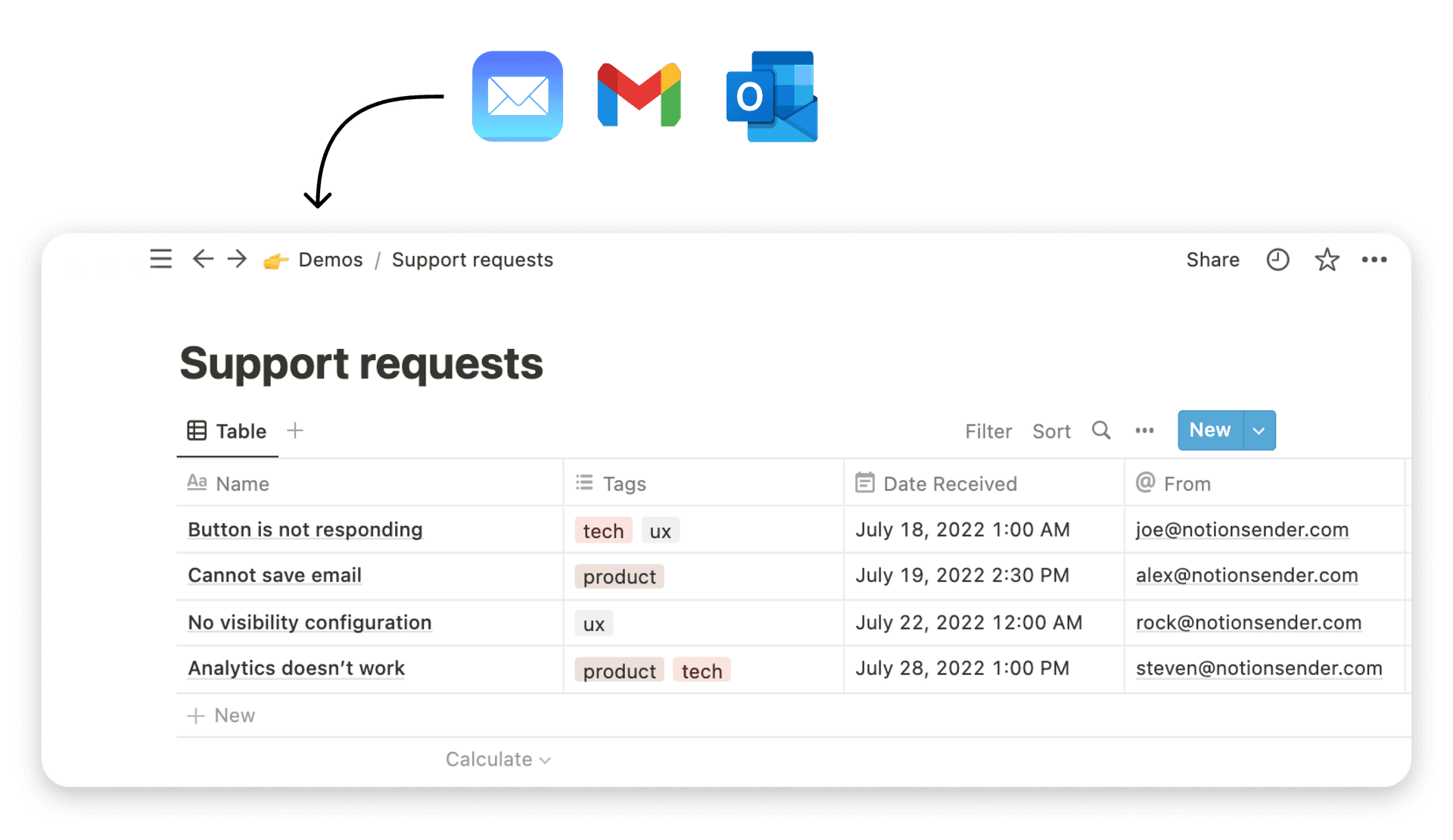
Veeam is a strong fit for organizations that are committed to Microsoft and want backup delivered as a managed service rather than a platform they have to assemble and tune themselves. It is less attractive for mixed Microsoft and Google environments that want a single backup layer across both ecosystems, and it is also a different category from workflow-integrated preservation tools used for specific records. For example, teams that need selected customer or project emails stored inside an operating system like Notion may be better served by a workflow-based method such as saving emails to Notion for process and recordkeeping, instead of sending every message into a full backup stack.
Useful strengths include:
- Granular restore options: Recover individual messages, folders, or larger mailbox data sets without rolling back everything.
- Included storage: Budgeting is usually simpler because storage planning is not a separate design decision during procurement.
- Regional data residency choices: Helpful for organizations with contractual or legal requirements around backup location.
One pattern I see often is this. If the requirement is "cover the Microsoft estate with one policy and one service boundary," Veeam usually makes more sense than an email-only product.
There are trade-offs. Veeam is not the right answer for Gmail-first organizations, and pricing tends to work better for teams comfortable with annual commitments. But for Microsoft-centric businesses that want broad workload coverage, predictable administration, and fewer storage debates, it is a practical option.
Visit Veeam Data Cloud for Microsoft 365
2. Microsoft 365 Backup native

A familiar scenario comes up during Microsoft-heavy deployments. Legal wants tighter control over mail retention, security wants fewer third-party services with privileged access, and IT wants restores that fit existing admin workflows. Microsoft 365 Backup is built for that kind of environment.
In the broader backup market, this sits in the native category rather than the all-in-one cloud or MSP-focused camps. That matters because the decision is less about feature count and more about operating model. Teams already standardized on Microsoft often prefer to keep backup, identity, permissions, and audit activity close to the rest of the tenant.
The trade-off shows up in scope and cost control. Native backup fits organizations that want Microsoft-first recovery and can accept narrower coverage than a cross-platform service. Storage-based billing also changes planning. Retention is not something to set casually and revisit later. It needs a cost model up front, especially for mailboxes with heavy attachment volume or long legal hold expectations.
A few points usually decide the fit:
- Cleanest fit for Microsoft-only estates: If Exchange Online is the priority and Google Workspace is not part of the picture, native usually means fewer moving parts.
- Lower vendor sprawl: Some teams value one fewer backup console, one fewer procurement cycle, and one fewer data processor.
- Policy alignment with existing Microsoft administration: Security and compliance reviews are often simpler when the service stays inside the same ecosystem.
- Less flexibility for mixed environments: If you need one backup standard across Microsoft and Google, native can become a limiting choice.
There is another practical distinction buyers miss. Backup restores data after deletion, corruption, or accidental loss. It does not replace workflow-level record capture for teams that need selected emails stored with projects, clients, or operating docs. For that use case, a workflow-integrated method such as saving emails to Notion for structured recordkeeping solves a different problem than mailbox backup.
The same goes for archiving and regulatory retention. Some businesses need backup for recovery, plus separate compliance-focused email storage for UK businesses when retention rules, audit review, or case management require a purpose-built archive.
Microsoft 365 Backup makes the most sense when the requirement is straightforward. Restore Microsoft data inside the Microsoft environment, keep governance tight, and avoid adding another vendor unless there is a clear operational benefit.
3. Datto SaaS Protection formerly Backupify

Datto SaaS Protection sits squarely in the MSP-focused camp. If you're buying through a managed service provider, or you are the provider managing many tenants, this is one of the names that keeps coming up for good reason. It was built around cloud-to-cloud protection and multi-tenant administration, not around a single in-house IT team babysitting one environment.
That orientation affects daily use. The product is easier to appreciate when you think about delegated administration, repeatable client onboarding, and centralized backup policies across many small and midsize environments.
Why MSPs still like it
Datto's value is less about public pricing or flashy packaging and more about repeatable service delivery. MSPs need backup products that fit ticketing, client segmentation, and standardized restore workflows.
What stands out:
- Microsoft 365 and Google Workspace support: Helpful for service providers with mixed customer estates.
- Multi-tenant administration: A major advantage when one team manages many organizations.
- Automated backup and restore workflows: Better for standardized service delivery than ad hoc admin work.
Its downsides are familiar to anyone who buys through channel-first vendors. Pricing isn't published in a way that makes self-service comparison easy, and some buyers prefer to stay clear of ecosystem complexity when branding and product packaging shift over time.
For businesses with strict retention or governance requirements, backup alone may not be enough. In those cases, it's worth comparing backup with more specialized options like compliance-focused email storage for UK businesses, especially if legal retention and mailbox recovery are being discussed together.
Datto SaaS Protection is usually the right recommendation when an MSP is the operator of record and the buyer cares more about service consistency than direct retail-style purchasing.
4. Dropsuite Email Backup

An employee deletes the wrong mailbox folder on Friday afternoon. IT does not need an advanced recovery platform in that moment. It needs a product someone can open quickly, understand immediately, and restore from without guessing. That is the practical appeal of Dropsuite.
In this list, Dropsuite sits closest to the MSP-friendly, easy-to-operate end of the market. It is usually sold through service providers, but the product itself tends to be lighter to run than enterprise backup suites built for broader data protection programs. For small IT teams and outsourced admins, that matters more than feature volume.
Best suited to straightforward Microsoft 365 backup
Dropsuite works well for organizations that want to protect email, calendars, contacts, and basic mailbox data without committing to a larger backup architecture decision. It is also one of the clearer examples of a category split buyers should keep in mind. Some tools are all-in-one cloud backup platforms. Some are native vendor options. Some, like Dropsuite, are shaped around MSP delivery and operational simplicity.
That positioning creates real trade-offs.
Practical strengths include:
- Fast deployment: A good fit for SMBs and provider-managed environments that need coverage in place quickly.
- PST export and eDiscovery support: Helpful when recovery, legal review, and user offboarding overlap.
- Optional archiving modules: Useful if backup may later expand into retention or search requirements.
- User self-service in some configurations: This can reduce routine restore tickets for common mailbox issues.
The trade-off is control depth. Simplicity is good until the business needs detailed policy handling across retention, role-based restore permissions, legal hold processes, and audit expectations. Dropsuite can cover a lot of day-to-day backup needs, but teams with stricter governance standards should map out who owns backup, who can restore, and whether archive data creates a second system of record.
That last point gets missed often.
A backup tool should also match how people work. If the goal is not only to recover messages but also to reduce mailbox chaos in the first place, workflow habits matter alongside backup policy. Teams trying to clean up daily email handling can pair technical protection with practical email management habits that reduce inbox overload. For some use cases, workflow-integrated approaches such as NotionSender are part of the answer. They do not replace backup infrastructure, but they can reduce the volume and disorder that make recovery harder later.
Dropsuite is usually the right choice when the priority is reliable email backup that an MSP or lean internal team can operate without a long implementation project.
5. SpinOne Spin.AI
A common failure pattern looks like this. The mailbox data is backed up, but the security team and the backup team are working from different tools, different alerts, and different assumptions about what needs to be restored first. SpinOne is built for organizations trying to close that gap.
SpinOne sits in the security-first category of email backup. Instead of treating backup as a standalone recovery product, it combines SaaS backup with security controls aimed at detecting risky activity, limiting data exposure, and speeding up targeted recovery after an incident. That makes it a different buying decision from an all-in-one cloud backup platform or a simpler MSP-oriented service.
This approach fits teams that want backup tied directly to SaaS risk management. Infrascale's ransomware findings report that many attacks try to reach backup data as well, which is why immutability and controlled restore paths matter during real incidents: Infrascale ransomware findings.
Where SpinOne usually stands out:
- Immutable backup copies: Useful when the business needs confidence that backup data has not been altered during an attack.
- Targeted restore options: Better suited to selective recovery after suspicious changes, mass deletion, or ransomware activity than broad mailbox rollback alone.
- Security feature overlap: SSPM and DLP capabilities can reduce the number of separate SaaS protection tools some IT teams have to manage.
The trade-off is scope. If the requirement is to restore lost mail and retain it for compliance, SpinOne can be more platform than a small team needs. If the organization already runs mature security tooling, there is also a real question about overlap and cost.
For Microsoft 365 and Google Workspace environments with higher exposure, though, this category makes sense. It reflects how incidents unfold. Backup is part of response, not just retention. It also highlights a broader split in this market: some tools focus on centralized cloud backup, some stay close to native platform recovery, some are designed for MSP efficiency, and a smaller set, including workflow-integrated options such as NotionSender for specific operational use cases, address resilience by improving how information is handled before recovery is ever needed.
6. AvePoint Cloud Backup

AvePoint is one of the broader platforms on this list. It's built for organizations that don't want separate backup tools for every SaaS system and would rather centralize policy, restore, and governance across multiple cloud apps.
That breadth is the reason to consider it. If the business uses Microsoft 365 for email, Google Workspace in a subsidiary, and Salesforce for customer records, a multi-SaaS backup platform becomes easier to defend than a patchwork of point tools.
Enterprise breadth with real trade-offs
AvePoint tends to fit larger environments and more structured IT teams. The restore controls are mature, and the option to work with Microsoft's backup storage pipeline will appeal to organizations that prioritize speed in Microsoft-heavy scenarios.
Where it usually shines:
- Multi-SaaS protection: Better than Microsoft-only tools if your stack is mixed.
- Granular restores: Important when teams need to recover mail items without broad mailbox disruption.
- Ransomware rollback and centralized administration: Better for formal recovery processes than ad hoc restores.
The trade-off is obvious. Smaller teams can find the platform heavier than they need, both commercially and operationally. If all you need is mailbox recovery for one small tenant, AvePoint may be more platform than product.
That said, if email backup is being folded into a wider SaaS governance program, AvePoint is one of the more practical enterprise choices.
7. Keepit
Keepit's appeal is predictability. It uses an all-inclusive model with storage bundled into the service, which makes planning easier for organizations that hate backup products with too many metered variables.
I usually place Keepit in the all-in-one cloud bucket for buyers who want independence from the production SaaS vendor. That independence can matter when a team wants backup data outside the primary application vendor's environment, whether for resilience, governance, or internal policy reasons.
Why buyers narrow in on Keepit
The product is easy to understand conceptually. You're buying managed SaaS backup with included storage, broad application support, and a strong emphasis on search, restore, and data residency options.
Reasons teams choose it:
- Storage included: Easier budgeting and fewer unpleasant surprises around growth.
- Multi-geo support: Helpful when backup location matters contractually or operationally.
- Support for more than one SaaS platform: Useful for mixed environments that don't want vendor sprawl.
Keepit is not the right fit for teams that demand highly frequent backup intervals above all else. It's better for organizations that value a simpler commercial model and solid recovery capabilities over maximum backup cadence.
There's also a governance angle worth remembering. Long-term retention is useful, but every extra retained copy of email can become a discovery and deletion issue if policy isn't clear. Backup convenience and compliance discipline need to be designed together, not separately.
8. Barracuda Cloud-to-Cloud Backup

Barracuda Cloud-to-Cloud Backup is a good example of a focused Microsoft 365 backup product that doesn't try to be everything. It covers the major Microsoft 365 workloads, stores backup data in Barracuda's cloud, and gives admins a straightforward portal for recovery.
That simplicity is a strength. Some backup tools add so much cross-platform ambition that mailbox recovery becomes harder to operate. Barracuda keeps the proposition tighter, which many small and mid-market IT teams will appreciate.
Practical fit
This is usually a strong option if your environment is Microsoft 365-centric and you want a service that is easier to explain internally than broader backup platforms.
What it does well:
- Granular recovery: Recover mailboxes, sites, and chats without broad restore operations.
- Straightforward onboarding: Useful when you want to reduce implementation friction.
- Clear Microsoft 365 focus: Good for organizations that don't need Google Workspace support.
The trade-off is lack of native Gmail coverage. If the business is already split between Microsoft 365 and Google Workspace, Barracuda can force a second purchase and a second recovery process. In a pure Microsoft setup, that issue disappears.
If your backup runbook has to work at 2 a.m., simpler admin paths beat theoretical feature depth.
Barracuda is often at its best when the buying team wants solid Microsoft 365 protection with less architectural debate.
Visit Barracuda Cloud-to-Cloud Backup
9. Hornetsecurity 365 Total Backup

Hornetsecurity 365 Total Backup feels designed for buyers who want an all-in managed experience, especially in SMB and MSP-led environments. It's Microsoft 365-centric, includes storage in the service model, and offers self-service recovery options that can reduce pressure on administrators.
That last point matters more than many teams realize. A lot of routine backup work is not disaster recovery. It's “someone needs an email back now.” If trusted users can restore what they need inside guardrails, IT gets fewer low-value tickets.
Best for low-friction operations
Hornetsecurity works well when the organization wants backup to run unobtrusively in the background. It's less suited to buyers who want a broad cross-platform backup strategy under one roof.
A few strengths stand out:
- Managed feel with included storage: Easier for SMBs that don't want to design storage architecture.
- Self-service mailbox restore: Good for reducing admin workload in repeat recovery cases.
- MSP-friendly management: Helpful for providers serving multiple tenants.
The constraints are mostly platform-related. It's focused on Microsoft 365, and pricing usually comes through partners rather than direct public self-service comparison. If your team is comfortable buying through that model, it's a sensible option. If not, it can feel opaque.
Hornetsecurity is often the right answer when the business wants dependable Microsoft 365 backup with minimal operational overhead.
Visit Hornetsecurity 365 Total Backup
10. SkyKick Cloud Backup
SkyKick Cloud Backup is another MSP-oriented product, but it earns its spot for a different reason than Datto. SkyKick's strength is workflow. It's built around partner deployment, automated onboarding, and billing models that make sense when backup is part of a managed service stack instead of a one-off software purchase.
For the end customer, that can be either helpful or limiting. Helpful if you want your provider to own the process cleanly. Limiting if you prefer direct procurement and direct vendor negotiation.
Where SkyKick makes sense
SkyKick is strongest when an MSP is standardizing Microsoft 365 backup across many clients and wants a product built for that operating model.
What to expect:
- Multi-tenant console: Better for service providers managing backup centrally.
- Automated onboarding: Good when repeatability matters more than customization.
- Item-level and point-in-time recovery: Covers core restore use cases across Microsoft 365 apps.
The weakness is familiar by now. It's Microsoft-focused and partner-led, so mixed-platform buyers or direct-purchase buyers may prefer another route.
For MSP-delivered Microsoft 365 protection, though, SkyKick remains a practical option because it matches how service providers deploy and bill backup.
Visit SkyKick Cloud Backup
Top 10 Email Backup Solutions Comparison
| Product | Core features | Quality & UX (★) | Pricing & Value (💰) | Target audience (👥) | Standout / USP (✨🏆) |
|---|---|---|---|---|---|
| Veeam Data Cloud for Microsoft 365 | Granular restores, immutability, Azure region choice | ★★★★☆, reliable admin tools | 💰 Public pricing; storage included; best value with annual/volume | 👥 Enterprises & M365-first orgs | ✨ Deep M365 workload coverage; 🏆 included storage options |
| Microsoft 365 Backup (native) | Express restore points; stays in MS trust boundary | ★★★★☆, fast RTO/RPO | 💰 Predictable per‑GB; no extra egress fees (can be costly at scale) | 👥 Microsoft-centric orgs/admins | ✨ Native integration & low network exposure; 🏆 tight MS ecosystem |
| Datto SaaS Protection | Multiple daily backups; MSP multi‑tenant management | ★★★★, mature, MSP-ready | 💰 Partner/channel pricing; MSP licensing | 👥 MSPs and managed service providers | ✨ Centralized multi‑tenant tools; 🏆 MSP operational workflows |
| Dropsuite Email Backup | Automated backups, end‑user portal, PST export | ★★★★, simple UX for end users | 💰 Often unlimited via partners; reseller pricing | 👥 MSPs & orgs wanting simple deploy + end-user access | ✨ Easy setup + SSO portal |
| SpinOne (Spin.AI) | Immutable backups, ransomware detection, BYOS | ★★★★☆, security-first with targeted restores | 💰 Quote/partner pricing; per-user can be pricey | 👥 Security-conscious orgs, IT teams | ✨ AI ransomware detection & SSPM/DLP; 🏆 rapid containment |
| AvePoint Cloud Backup | Multi‑SaaS backup, ransomware rollback, granular restores | ★★★★, enterprise controls & scale | 💰 Quote-based, enterprise-oriented | 👥 Large orgs & enterprises | ✨ Broad SaaS coverage + fast restore pipeline |
| Keepit | All-inclusive plans, unlimited “hot” storage, immutability | ★★★★, predictable & compliant | 💰 Storage included; tiered predictable pricing (contact sales) | 👥 Compliance-focused orgs & SMEs | ✨ Multi-geo residence + strong compliance attestations |
| Barracuda Cloud-to-Cloud Backup | Granular recovery, encrypted independent cloud storage | ★★★★, easy portal & SLA-backed | 💰 Quote-based; channel plans | 👥 SMBs & M365 tenants | ✨ Simple onboarding + documented SLA |
| Hornetsecurity 365 Total Backup | Unlimited storage options, multi daily snapshots, self-service | ★★★★, MSP/SMB friendly | 💰 Partner-sold pricing; storage often included | 👥 MSPs, SMBs needing low admin | ✨ End-user self-service restores |
| SkyKick Cloud Backup | Multi-tenant console, automated onboarding, point-in-time restores | ★★★★, MSP deployment focused | 💰 Partner/MSP pricing | 👥 MSPs & resellers | ✨ Automated onboarding & billing workflows |
Making the Final Choice From Backup to Resilience
A mailbox gets wiped, a user leaves under bad circumstances, or Microsoft 365 has a service issue on the same day finance needs an invoice trail for an audit. That is usually when teams discover they were buying a product category, not a recovery plan.
The final choice starts with the failure you need to handle. Deleted email recovery, legal retention, outage continuity, ransomware response, and preserving business context are different jobs. One tool can cover some of them, but rarely all of them equally well.
A practical way to choose is to sort the options by approach, not by vendor logo.
All-in-one cloud backup platforms fit teams that want one policy engine across email, OneDrive, SharePoint, and sometimes Google Workspace. Products like Veeam, AvePoint, Keepit, Barracuda, and SpinOne usually make sense when IT needs centralized control, broader restore coverage, and clearer separation from the production tenant. The trade-off is cost, setup complexity, and more decisions around roles, retention, and storage design.
Native backup fits organizations that are heavily committed to Microsoft 365 and want the shortest path to protecting core data inside the Microsoft stack. Microsoft 365 Backup can be a reasonable choice when speed, platform alignment, and administrative familiarity matter more than cross-platform coverage or vendor independence. The trade-off is scope. Native protection does not automatically solve every governance, continuity, or operational workflow need around email.
MSP-focused platforms fit service providers and small IT teams that care as much about tenant management and billing as they do about restore points. Datto SaaS Protection, SkyKick, and Hornetsecurity stand out here because deployment model matters in practice. A product that restores well but creates friction across dozens of customer tenants will still become an operational problem.
Then there is a separate category that often gets ignored. Workflow-integrated backup.
Some email should be recoverable. Some email should become part of the work record the moment it matters. Those are different outcomes. A workflow-integrated tool like NotionSender does not replace tenant backup for disaster recovery, legal hold, or broad mailbox restore. It helps teams store selected messages, attachments, timestamps, and sender details inside the workspace where projects, approvals, client communications, or operating records already live.
That distinction matters for agencies, consultants, operations teams, and small businesses. If the actual risk is not platform loss but losing context inside a live project, restoring a mailbox six weeks later is a poor substitute for having the right email captured in the right system at the time of the decision.
Use four filters before you commit:
- Recovery scope: Decide whether you need single-message restore, mailbox restore, tenant-level recovery, or cross-workload protection.
- Operational fit: Check who will manage alerts, test restores, handle role-based access, and document recovery steps.
- Governance impact: Set retention rules carefully. Keeping every message forever can create discovery and compliance issues, not just convenience.
- Workflow value: Identify which emails belong in backup storage and which should be copied into a business system as active records.
The strongest choice is usually a combination. Use native or cloud-to-cloud backup for recovery and retention. Use MSP-oriented tools when service delivery is the actual constraint. Add a workflow layer when certain emails need to live with the work, not wait in a mailbox until something breaks. That is the shift from backup to resilience.