Essential Email List Management Best Practices

Your email list might look like an asset on paper. But if it's full of duplicates, stale contacts, unclear consent records, and mixed audiences, it can hurt deliverability, waste budget, and distort your reporting. That's the gap in most advice on email list management best practices. Plenty of guides tell you to “clean your list” or “segment your audience,” but fewer show how to run the whole system in one place so the work sticks.
A managed list performs differently from a messy one. Healthy email lists typically have delivery rates of 95% or higher, open rates around 15 to 25%, and bounce rates no more than 3%, according to AdRoll's email list management guidance. That doesn't happen by luck. It comes from routine hygiene, clear consent, smart segmentation, and a workflow your team can maintain.
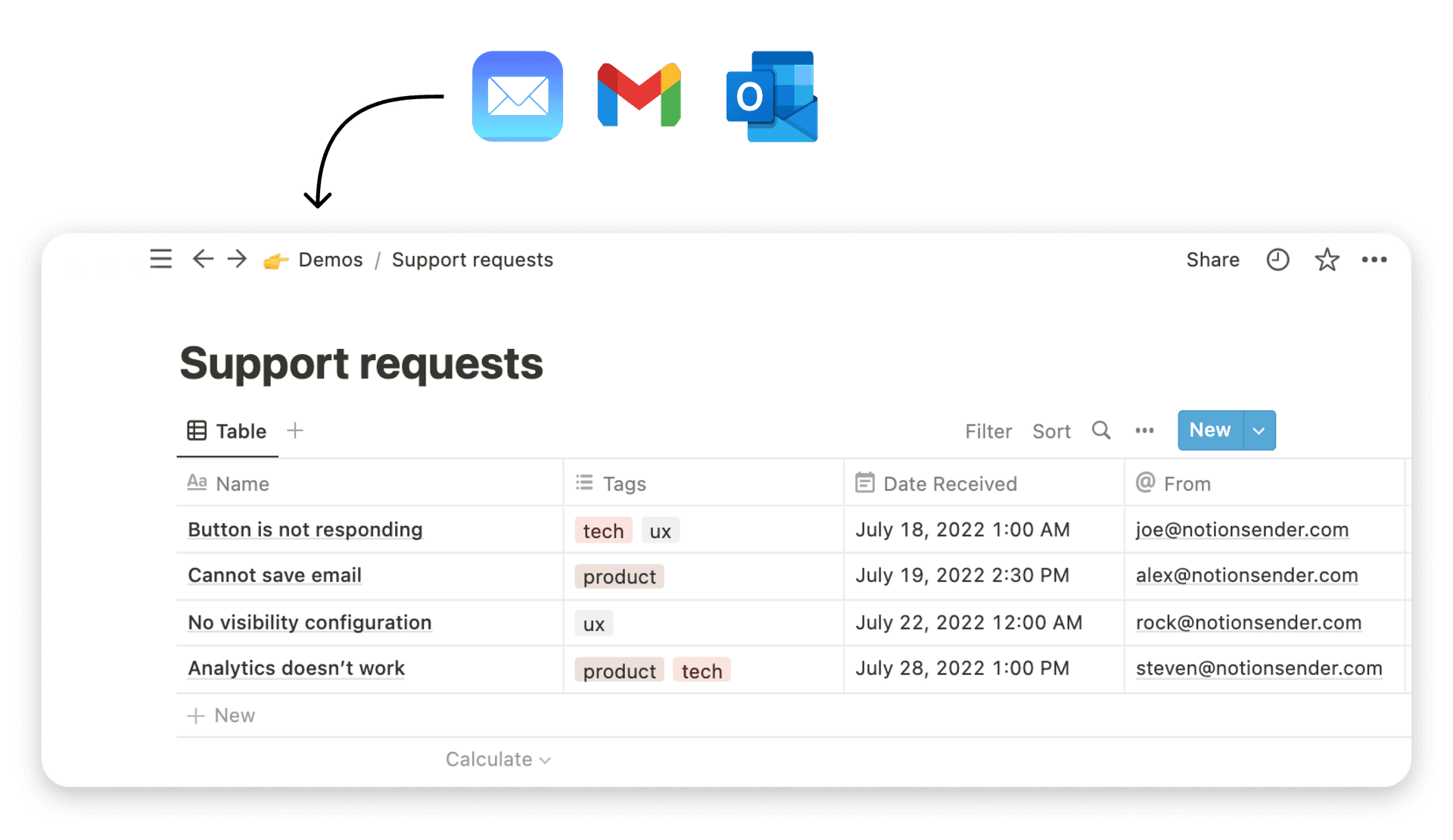
In practice, the strongest setup is centralized. Notion gives you a flexible database for contacts, consent, lifecycle stage, and campaign history. NotionSender adds the operational layer so incoming emails, outbound sends, records, and automations live closer to the same source of truth. If you're still piecing this together manually, it helps to understand adjacent workflows too, such as setting up Gmail email groups.
Your email list can be a liability or an asset. The difference is how you manage it. These 10 practices turn it into a working system instead of a growing pile of addresses.
1. Implement List Segmentation and Tagging
What happens when every subscriber gets the same email? Open rates flatten, clicks drop, and your list becomes harder to use well because message relevance is missing from the start.
Segmentation improves performance because it changes what each person receives. The goal is not to build a complicated taxonomy. The goal is to send different messages to different groups based on source, intent, stage, and behavior.

Start with a small tag structure
Early on, the biggest mistake is overclassification. Marketing teams often add dozens of tags before they have a clear sending strategy. That creates clutter fast. A smaller structure is easier to maintain and far more useful in a centralized workspace.
Use a short set of fields that directly affect campaign logic:
- Source tag: lead magnet, referral, webinar, checkout, or manual outreach
- Lifecycle tag: subscriber, lead, customer, former customer, partner
- Engagement tag: recently opened, recently clicked, inactive, re-engagement candidate
- Interest tag: product line, service category, topic, or industry
- Geography tag: region, language, compliance area, or support timezone
A simple rule keeps this clean. If a tag does not change the email someone gets, do not create it.
In Notion, that usually means one contacts database with select and multi-select properties for these fields, plus filters for common segments. In NotionSender, those same properties can drive audience selection and campaign rules, so the segment lives in your workspace instead of in scattered CSV exports. That setup matters in practice because segmentation fails when the team has to rebuild it by hand before every send.
Here is a workable example. Contacts from a webinar get a source tag. People who clicked pricing links get an engagement tag. Customers interested in one product category get an interest tag. With those three data points, you can send a follow-up sequence to warm prospects without sending the same pitch to current customers.
Review tags once a quarter. Keep the ones that guide real decisions. Merge or remove the ones nobody uses. Clean segmentation supports targeting, reporting, and protecting your email sender reputation because it reduces irrelevant sends to the wrong audience.
2. Maintain List Hygiene and Regular Cleaning
How much of your list would you stop mailing today if you had to defend every address on it?
List hygiene is not a cleanup task you save for later. It is an operating habit that protects deliverability, keeps reporting usable, and prevents you from paying to send to people who will never engage. AdRoll highlights the practical upside clearly. Cleaner lists improve targeting, support inbox placement, and reduce waste.

Clean by status, with rules your team can actually follow
The mistake I see often is treating every inactive or problematic contact the same way. A hard bounce, a soft bounce, an unsubscribe, and a quiet subscriber are four different cases. They need four different actions.
In a centralized Notion workspace, give each contact a clear status field and a last-reviewed date. A workable set looks like this:
- Valid
- Soft bounced
- Hard bounced
- Unsubscribed
- Inactive
- Re-engagement pending
- Suppressed
Then attach a rule to each status.
Hard bounces should move to suppressed fast. Soft bounces should stay visible for review because temporary delivery problems do recover. Unsubscribed contacts should remain in your database for compliance and suppression, not get deleted and risk being added again later. Inactive contacts should go through a defined re-engagement window before you stop mailing them.
That structure matters because list cleaning breaks down when it depends on memory. In Notion, filtered views can show each hygiene state by owner, campaign source, or review date. In NotionSender, bounced replies and sending activity can feed back into the same database, so the team works from one record instead of reconciling exports from multiple tools.
Use a simple review cadence
Weekly, review new hard bounces, unsubscribes, and obvious invalid records.
Monthly, review inactive contacts and re-engagement candidates.
Quarterly, look for patterns. If one form, lead source, or campaign keeps producing weak contacts, fix the source instead of cleaning the symptom.
That last step is where hygiene becomes useful operationally. A clean list is good. A clean list that also shows where bad records come from is better.
For sender health, it also helps to understand the mechanics behind protecting your email sender reputation.
Remove invalid addresses quickly. Review inactive contacts with a process. Those are separate decisions.
3. Use Opt-In and Permission-Based Marketing
Permission is the foundation. If you don't know when someone subscribed, what they agreed to receive, and how to prove it, your list is fragile even if it's large.
This matters for legal compliance, but it also matters for engagement quality. People who knowingly opted in are easier to retain, less likely to mark mail as spam, and more likely to trust future campaigns. Purchased lists, scraped contacts, and vague signup forms create the opposite effect.
Make consent specific and easy to audit
The signup form should answer three questions clearly:
- What will they get
- How often will they get it
- How can they leave
That sounds basic, but many forms still hide frequency, bundle unrelated content types together, or send people into a catch-all newsletter they didn't expect.
In Notion, keep a consent log tied to each contact. Useful fields include opt-in source, form name, date captured, email type selected, and current subscription status. If multiple systems feed your list, this log becomes the only reliable record when someone disputes consent or asks to change preferences.
AWeber and ActiveCampaign-style preference handling is worth copying even if you don't use those tools. The operational lesson is simple. Store the consent event, not just the email address.
If your team forwards form notifications or signup confirmations by email, NotionSender can save those messages into the same database and preserve a useful audit trail without extra copy-paste work.
4. Personalize Emails Beyond First Names
What makes an email feel relevant enough to open and useful enough to click? Usually, it is not the greeting. It is whether the message reflects what the subscriber did, wanted, or needed next.
Personalization works when it changes the content, timing, or offer based on real record data. A welcome email to a new lead should not read like a renewal reminder to an existing customer. A buyer who purchased one product category should not get the same follow-up as someone who only downloaded a guide.

Personalize from record data, not guesswork
The strongest personalization usually comes from fields already sitting in your system, if they are clean and structured well enough to use:
- Lifecycle stage: New lead, trial user, customer, repeat buyer
- Interest area: Product category, content theme, service line
- Behavior: Downloaded guide, attended demo, clicked pricing, requested support
- Purchase context: What they bought, when they bought, what usually comes next
That is the practical standard. Send different messages to people in meaningfully different situations.
For example, a consultant can send one email to leads who asked about pricing and a different one to past clients who may need a follow-up service. An ecommerce brand can recommend accessories tied to the original purchase category instead of sending the full catalog to everyone. The trade-off is setup time. Broad campaigns are faster to build, but targeted campaigns usually waste less attention and produce cleaner engagement signals.
In Notion, keep these personalization inputs as database properties, not loose notes inside a page. That makes the data usable. A centralized workspace also helps teams spot gaps early, such as missing lifecycle stages, inconsistent tags, or outdated product interests. If your records are scattered across forms, inboxes, and spreadsheets, start by cleaning the workflow first. These simple email management habits that improve day-to-day marketing execution make that step easier.
Then use NotionSender template expressions to pull the right values into subject lines, body copy, follow-ups, or conditional message variants. That turns personalization from a writing trick into an operating system your team can repeat.
Better personalization starts with better fields. If the data is messy, the copy will be messy too.
5. Establish Clear Email Frequency and Schedule
How often should you email your list without wearing it out or disappearing from memory?
The answer starts with consistency. A list can tolerate a modest cadence if people know what they are signing up for and when to expect it. Problems usually start when teams send three campaigns in one week, then go quiet for a month. That pattern trains subscribers to ignore you, or unsubscribe when the next spike hits.
Set a schedule you can keep during busy weeks, not just ideal weeks. For many teams, that means starting with one core newsletter or campaign block each week or every two weeks, then adding triggered emails around it with clear rules. If your team already struggles to stay organized, these simple email management tips for better productivity help tighten the planning process before volume increases.
A practical rule is simple. Tie frequency to audience intent.
New leads who just requested information can usually handle a shorter, time-bound sequence. Long-term subscribers who joined for educational content often respond better to a steady editorial rhythm. Existing customers may want product updates, but not every promotional send. If open rates start slipping, review your cadence and message mix together. This guide to improving email open rates with stronger campaign habits is useful for spotting where schedule problems begin to hurt engagement.
In Notion, build frequency control into the workspace instead of managing it from memory. Keep a content calendar database with campaign name, audience, owner, send date, and status. Add properties for frequency cap, campaign type, and exclusion rules. Then use NotionSender to send from the same system, so the plan, segment, and execution stay aligned.
A simple setup looks like this:
- Content calendar database: Campaign name, audience, owner, send date, status
- Frequency rules: Maximum sends per contact each week or month
- Exclusions: Recent purchasers, inactive subscribers, people already in another sequence
- Post-send notes: Unsubscribe patterns, reply quality, send timing issues, ideas for the next campaign
Preference centers should include frequency options too. Weekly updates, monthly roundups, and major announcements only are easy choices for subscribers to understand. That one step often saves contacts who are interested in your business but do not want every email.
6. Monitor and Analyze Key Email Metrics
Which metrics tell you whether your list is getting healthier?
Start with the numbers that affect deliverability, engagement, and list quality: delivery rate, bounce rate, unsubscribe rate, open trends, click patterns, and segment-level performance. These show whether growth is producing engaged subscribers or just adding volume.
Watch patterns across campaigns and segments
A single strong send can hide a list issue. A single weak send can distract from a healthy system. Review results over time, then compare them by segment, acquisition source, and lifecycle stage.
A practical review usually answers questions like these:
- Are bounce issues tied to one signup source or import?
- Do unsubscribe rates rise after more frequent sends?
- Are customers clicking while leads ignore the same offer?
- Is engagement concentrated in only a few segments?
Mailchimp's guidance on email performance, and this guide to improving email open rates with stronger campaign habits, point to the same conclusion. If metrics weaken, check segmentation and relevance before blaming creative.
In Notion, set this up as an operating system, not a reporting afterthought. Create a campaigns database connected to your contacts database. Track campaign type, target segment, acquisition source, send date, and a short result summary. Then add rollups or filtered views so you can review performance by source, segment, or stage without exporting data into separate spreadsheets.
NotionSender helps by logging send activity back into that same workspace. That matters in practice. Teams can review who received what, which segment underperformed, and where unsubscribe or bounce problems started without switching between tools.
A rising unsubscribe rate usually points to targeting, offer fit, or send cadence before it points to copy alone.
7. Implement Double Opt-In and Confirmation Processes
Double opt-in slows list growth on the surface. That's why some teams avoid it. But speed isn't the point. Valid intent is.
When someone confirms their address, you reduce typos, fake signups, and low-quality form submissions before they enter the active list. That gives you cleaner reporting and fewer avoidable deliverability problems later.
Use confirmation to qualify the contact
The confirmation email should do one job well. Ask the subscriber to verify the address and make the next step obvious. Keep the subject line clear, the body short, and the call to action singular.
A clean process usually looks like this:
- Signup submitted: Record the pending contact in Notion.
- Confirmation sent: Mark status as awaiting confirmation.
- Link clicked: Update status to confirmed.
- Welcome triggered: Move the contact into the correct segment and start the onboarding flow.
Substack and Mailchimp-style confirmation flows are good examples because they remove ambiguity. The subscriber knows they aren't fully active until they confirm.
Store confirmation state in your Notion database. That matters for audit trails, but it also helps operations. If a contact never confirms, don't let them enter the same automations as active subscribers. With NotionSender, that status can sit alongside the rest of the record so your team doesn't have to reconcile multiple tools manually.
8. Create Preference Centers and Subscription Management
Unsubscribe links are necessary. Preference centers are smarter. They give people a middle option between “send me everything” and “stop contacting me.”
This is one of the most overlooked email list management best practices because it solves a problem basic segmentation doesn't. Segmentation helps you decide what to send. A preference center helps subscribers tell you what they want.
Give people choices that map to real sending categories
The best preference centers are simple. LinkedIn, Slack, and Medium all show the pattern clearly. They separate communication by purpose instead of forcing every message into one master subscription.
Good options often include:
- Topic preferences: Product updates, educational content, events, offers
- Frequency preferences: Weekly digest, monthly summary, major announcements only
- Audience-specific streams: Prospect content, customer education, partner news
- Channel preferences: Email-only choices where relevant
This also connects to list architecture. Ongage notes that teams may use a universal contact list or multiple lists, while UnsubCentral emphasizes distinct lists for prospects, leads, and customer segments with centralized opt-out handling in its discussion of email list management and list structure. That's the operational issue many guides skip.
In Notion, build one contact record with separate subscription properties rather than duplicating the same person across disconnected databases. That lowers opt-out conflicts and keeps reporting cleaner when someone is both a customer and a newsletter reader.
9. Automate Email Workflows and Triggered Sequences
What should happen after someone subscribes, buys, replies, or goes quiet?
The answer should never be "it depends on who remembers to send the next email." Good automation turns repeatable moments into defined workflows. It keeps timing consistent, reduces manual follow-up, and lowers the risk of sending the wrong message after a status change.
That only works if your contact data and sending logic stay aligned. If a subscriber record lives in one tool, campaign rules live in another, and status changes update late, sequences break. Unsubscribed contacts keep getting emails. New customers stay in prospect nurture flows. Sales replies sit in a newsletter path that no longer fits.
A short walkthrough helps show how that flow works in practice:
<iframe width="100%" style="aspect-ratio: 16 / 9;" src="https://www.youtube.com/embed/BK9TD-thvRc" frameborder="0" allow="autoplay; encrypted-media" allowfullscreen></iframe>
Start with event-based workflows you can audit easily
Build one trigger at a time. Start with the moments that already create manual work or obvious delays.
Common first automations include:
- Welcome sequence for new confirmed subscribers
- Re-engagement sequence for inactive subscribers
- Post-purchase follow-up for customers
- Reply or inquiry routing for inbound lead emails
Each workflow needs four parts: a trigger, entry criteria, exit criteria, and suppression rules. That last part gets missed often. A re-engagement sequence should stop if someone clicks, purchases, replies, or unsubscribes. A welcome series should stop or change when a lead becomes a customer. Without those rules, automation saves time while creating list management problems upstream.
Keap notes in its guidance on email marketing list management best practices that inactive contacts should not be removed without review. That trade-off matters. Some audiences have short attention cycles and can be sunset quickly. Others, especially B2B buyers with long research windows, need slower re-engagement before you suppress or remove them.
In a Notion-based system, this becomes much easier to manage because the workflow can reference the same contact record your team uses for status, tags, and subscription settings. Notion holds the source data. NotionSender handles sends and triggered sequences tied to those properties. That setup gives you one place to check why a person entered a workflow, where they are in it, and what should happen next.
If you want practical examples of connecting databases, templates, schedules, and sends inside one workspace, review these ways to use Notion to send emails and manage communication.
10. Collect Zero-Party and First-Party Data Strategically
What do you need to know about a subscriber today, and what can wait until they trust you enough to answer well?
Strategic data collection starts with restraint. Ask for too much at signup and you get lower conversion rates, weaker answers, and more cleanup work later. Ask for the minimum needed to create a usable contact, then add context over time as the relationship develops.
That approach works especially well in a centralized workspace. In Notion, one contact record can hold signup details, stated preferences, survey responses, lifecycle fields, and notes from support or sales. NotionSender then uses those properties for targeting and personalization, so the data you collect has a clear operational purpose instead of sitting unused in scattered tools.
Use progressive profiling inside the workflow
Start with a small set of fields that help you identify the person and send relevant email. After that, collect additional details through preference updates, onboarding questions, surveys, reply handling, and customer conversations.
Useful fields to add gradually:
- Primary interest
- Business type or use case
- Product category preference
- Lifecycle status
- Communication preference
- Important dates or milestones
The trade-off is simple. Short forms usually convert better, but longer forms can improve targeting if the audience has strong intent and a clear reason to share more. For a newsletter signup, keep it light. For a demo request or high-consideration B2B offer, asking for role, team size, or use case can make sense because the subscriber expects a more customized follow-up.
The key is to decide where each field should enter the system. A preference center can capture content interests. A welcome email can ask one quick question. A post-purchase survey can collect product goals. Support conversations can reveal timing, constraints, or renewal risk. When those inputs all update the same Notion record, your team can use them across campaigns without rebuilding context every time.
Tools like Typeform, HubSpot forms, and Intercom can all feed that process. In a Notion-based workflow, each new data point should map to a defined property with a clear owner and use case. NotionSender is useful on the email side because replies, captured preferences, and send activity can stay connected to that shared database instead of getting buried in individual inboxes.
Email List Management, 10-Point Comparison
| Practice | Implementation Complexity 🔄 | Resource Requirements ⚡ | Expected Outcomes 📊 | Ideal Use Cases 💡 | Key Advantages ⭐ |
|---|---|---|---|---|---|
| Implement List Segmentation and Tagging | Medium, planning, data mapping | Moderate, CRM/integration, tagging rules | Higher open & CTR; improved conversions | Targeted campaigns, e‑commerce, lifecycle marketing | Personalization at scale; better ROI |
| Maintain List Hygiene and Regular Cleaning | Low–Medium, recurring audits | Low–Moderate, verification tools, monitoring | Improved deliverability; fewer bounces/spam | All email programs; high‑volume senders | Protects sender reputation; accurate metrics |
| Use Opt-In and Permission-Based Marketing | Medium, legal and UX setup | Moderate, consent tracking & audit logs | Stronger trust; compliance; better engagement | Regulated markets; brand‑sensitive growth | Legal compliance; higher list quality |
| Personalize Emails Beyond First Names | High, data models & dynamic templates | High, data engineering, personalization tools | Significantly higher engagement and conversions | Retail, subscriptions, high‑touch B2C | Dramatically improved relevance & loyalty |
| Establish Clear Email Frequency and Schedule | Low, policy + calendar | Low, scheduling tools, planning time | Reduced fatigue; steadier engagement | Newsletters, content publishers | Predictability; improved retention |
| Monitor and Analyze Key Email Metrics | Medium, dashboards & interpretation | Moderate, analytics tools, analyst time | Data‑driven optimizations; ROI visibility | Performance teams; optimization cycles | Actionable insights; early issue detection |
| Implement Double Opt-In and Confirmation Processes | Low–Medium, extra signup flow | Low, automation & confirmation tracking | Fewer fake signups; verified consent | Compliance‑sensitive lists; high‑value offers | Validated subscribers; better deliverability |
| Create Preference Centers and Subscription Management | Medium, UI + backend sync | Moderate, development & upkeep | Lower unsubscribes; tailored engagement | Large, diverse audiences; multi‑topic brands | Subscriber control; richer preference data |
| Automate Email Workflows and Triggered Sequences | High, journey mapping & rules | High, automation platform, content | Higher conversions; timely, relevant sends | E‑commerce, SaaS onboarding, retention | Scalable personalized journeys; time savings |
| Collect Zero‑Party and First‑Party Data Strategically | Medium, progressive profiling UX | Moderate, forms, CRM integration | More accurate personalization; increased trust | Privacy‑first personalization; long‑term CRM | Reliable data; resilient to third‑party restrictions |
Centralize Your Strategy in Notion
Many marketing departments don't struggle because they lack advice. They struggle because the work is fragmented. Contacts live in one tool, unsubscribe requests in another, campaign notes in a spreadsheet, bounced addresses in an inbox folder, and automation logic somewhere else entirely. That setup creates errors that look small day to day but become expensive over time.
Centralizing your system in Notion changes the operating model. Instead of treating email as a separate channel, you treat it as part of the same workspace where you already manage projects, customer records, support workflows, and internal handoffs. That matters because the best email list management best practices are not one-time tasks. They're repeated decisions about who should receive what, when, and why.
A practical Notion setup usually starts with a few linked databases. One holds your master contact records. Another stores campaigns. A third tracks consent, unsubscribes, and status changes. From there, filtered views do most of the heavy lifting. You can create one view for active leads, another for re-engagement candidates, another for unsubscribed contacts, and another for customers who should receive product education but not prospect offers.
This also solves a governance problem many small teams overlook. The issue isn't just cleaning a list. It's deciding how records move across use cases without duplication or opt-out conflicts. A customer might still want product updates but not promotional offers. A prospect might become a customer and need to leave one automation while entering another. A support contact might need transactional email without being re-added to marketing sends. Once those rules live in a central workspace, they become manageable.
Start small. Pick one practice and make it operational. List hygiene is often the best starting point because it improves deliverability, reporting, and cost control at the same time. Build status fields in Notion. Create filtered views for bounced, inactive, and unsubscribed contacts. Add simple rules for what gets suppressed, what gets reviewed, and what gets a re-engagement attempt.
If your team already works in Notion, NotionSender is one option for handling the email side within that same environment. It supports sending and receiving emails connected to Notion databases, which makes it useful for teams trying to keep contact records, outbound communication, and email-driven workflows closer together.
Consistency beats complexity. A modest system that your team updates every week will outperform an elaborate one that breaks after a month.
If you want to manage contacts, sends, and email-driven workflows in one workspace, NotionSender is worth a look. It connects email activity with your Notion databases so you can build a cleaner, more centralized process for segmentation, consent tracking, scheduling, and follow-up.