12 Best Hosting Sites for Blogs in 2026

Choosing the right hosting for your blog is the single most important decision you'll make before writing your first post. It's the foundation that determines your site's speed, security, and scalability. A great host works silently in the background, letting you focus on creating content, while a poor choice can lead to constant technical headaches and lost readers.
This guide cuts through the noise of a crowded market. We will dive deep into the 12 best hosting sites for blogs, analyzing their unique strengths, hidden limitations, and ideal use cases. You'll find detailed breakdowns with screenshots and direct links for each provider.
Whether you're a beginner launching a personal journal, a business building a content marketing engine, or a developer crafting a high-performance static site, you'll find an actionable recommendation here. We'll examine everything from managed WordPress experts like Kinsta and WP Engine to all-in-one builders like Squarespace, and even developer-focused platforms such as Netlify and Vercel. Our goal is to help you select the right platform to build your blog on solid ground, ensuring your online voice has a reliable home from day one.
1. WordPress.com
For those who want the power of the world’s most popular CMS without the headache of server management, WordPress.com is the definitive choice. It provides fully managed hosting from Automattic, the company behind WordPress itself. This makes it one of the simplest and most reliable hosting sites for blogs, especially for SMBs and marketers who need a professional presence without deep technical knowledge.

Unlike self-hosted WordPress.org, this platform handles all the infrastructure for you. This includes real-time backups, malware scanning, and a global CDN, ensuring your site stays fast and secure even during traffic spikes. The free plan is quite limited, but paid tiers unlock custom domains, themes, and crucial plugin support.
Key Details & Use Cases
- Pricing: Starts with a free plan. Paid plans like Premium ($8/mo) and Business ($25/mo) are required for plugins, advanced customization, and monetization tools.
- Best For: Bloggers, small businesses, and content creators who prioritize ease of use and performance over complete server control.
- Pros: Extremely easy setup, scales effortlessly, and includes excellent security features out of the box.
- Cons: Less flexible than self-hosting; key features like plugins are locked behind more expensive tiers.
- Workflow Tip: Connect your WordPress forms to a tool like NotionSender to automatically save new leads or contact submissions directly into a Notion database, creating a simple CRM. With some smart organization, you can get the most out of Notion for your business workflows.
2. WP Engine
For businesses that require premium performance and security for their WordPress blog, WP Engine offers a specialized managed hosting environment. It’s designed from the ground up to optimize WordPress, providing a robust infrastructure that eliminates the common pain points of server management. This focus makes it one of the top hosting sites for blogs for agencies, developers, and growing businesses that depend on speed and reliability.

Unlike standard hosts, WP Engine includes a proprietary caching stack, a global CDN, and automatic core updates. Its platform also provides advanced developer tools like staging environments, which allow you to test changes safely before pushing them live. While platforms like WP Engine offer robust hosting, you might also consider professional assistance; for instance, you could hire a dedicated WordPress developer for custom projects or ongoing maintenance.
Key Details & Use Cases
- Pricing: Plans start around $20/mo for the Startup tier, with higher-priced options like Professional and Scale for increased traffic and site counts.
- Best For: Growing SMBs, agencies, and high-traffic blogs that need premium performance, security, and expert WordPress support.
- Pros: Exceptional speed and uptime, excellent developer tools like staging environments, and top-tier security features.
- Cons: Significantly more expensive than shared hosting, making it less suitable for brand-new bloggers or personal projects.
- Workflow Tip: Use WP Engine's built-in Genesis Pro and Local development tools to build and deploy themes quickly. You can test new layouts and features in the staging area without affecting your live site, ensuring a smooth user experience.
3. Kinsta
When speed is non-negotiable, Kinsta offers high-performance managed WordPress hosting that runs on the Google Cloud Platform. Its container-based infrastructure ensures resources are isolated for each site, delivering exceptional speed and reliability. This makes Kinsta one of the top-tier hosting sites for blogs for businesses, agencies, and high-traffic publications where performance directly impacts revenue.

Kinsta’s custom dashboard is a standout feature, providing clear analytics and one-click tools for tasks like creating staging environments. The platform includes a built-in CDN, automatic daily backups, and proactive security monitoring. Free migrations handled by experts make switching to Kinsta a smooth process for established blogs looking to upgrade their hosting stack without the technical hassle.
Key Details & Use Cases
- Pricing: Starts at $35/mo for one WordPress install. Plans scale based on site visits, storage, and CDN usage, with clear overage alerts to avoid surprise bills.
- Best For: Speed-sensitive businesses, e-commerce stores, and agencies that require rock-solid performance, excellent support, and a user-friendly management dashboard.
- Pros: Extremely fast performance with excellent uptime, a polished dashboard with great tools, and expert support.
- Cons: Premium pricing makes it more expensive than entry-level or shared hosting providers.
- Workflow Tip: Kinsta sends email alerts for site monitoring and usage. Use a mail parser with a tool like NotionSender to automatically forward these critical alerts into a dedicated Notion database, creating an organized log for tracking site health and resource needs.
4. Ghost (Ghost Pro)
Ghost is a powerful, minimalist publishing platform built for professional creators who want to run a blog, newsletter, and paid membership business all in one place. Its managed hosting service, Ghost (Pro), removes the technical burden of server management, making it one of the most focused hosting sites for blogs dedicated purely to content and audience growth. The platform is designed for speed and simplicity, favoring a clean writing experience over endless configuration.

Unlike its competitors, Ghost offers native membership, subscription, and newsletter features without needing third-party plugins. This allows publishers to launch paid content and build a community directly from their dashboard. The Markdown editor is a joy to use, and its streamlined interface helps keep your attention on creating great content for your audience.
Key Details & Use Cases
- Pricing: Starts with a Creator plan at $9/mo (billed annually). The Team plan ($25/mo) and Business plan ($50/mo) add more staff users and advanced features.
- Best For: Solo publishers, content-first teams, and creators who want to monetize through direct subscriptions and newsletters without complex setups.
- Pros: Exceptional writing experience and site speed, with turnkey memberships and subscription tools built directly into the core platform.
- Cons: The theme and integration ecosystem is smaller and less extensive than what is available for WordPress.
- Workflow Tip: Use Ghost's Zapier integration to connect new member sign-ups to a Notion database. You can automatically add new subscribers to a CRM or content tracker, helping you manage your audience and workflows efficiently.
5. Squarespace
For those who value design and simplicity above all else, Squarespace is a leading all-in-one platform that combines hosting, blogging, and a powerful website builder. It's a top choice for creatives, entrepreneurs, and small businesses who need a polished online presence without writing a single line of code. This makes it one of the most visually appealing hosting sites for blogs available.

The platform is famous for its award-winning templates and intuitive drag-and-drop editor, ensuring your blog looks professional on any device. Unlike more complex systems, Squarespace integrates marketing tools like email campaigns and social media integrations directly into its dashboard, creating a cohesive management experience. Every plan also includes hosting, security, and a free custom domain for the first year on annual plans.
Key Details & Use Cases
- Pricing: Begins with the Personal plan at $16/mo (billed annually). The Business plan ($23/mo) is needed for advanced analytics, e-commerce, and code injection.
- Best For: Photographers, artists, designers, and small service-based businesses who want a beautiful, low-maintenance blog and portfolio.
- Pros: Extremely easy to launch and maintain, with a cohesive design system and integrated marketing tools.
- Cons: Less extensible than WordPress; customization is limited to what the platform allows.
- Workflow Tip: While Squarespace has built-in email tools, you can manage your wider content strategy in a central hub. By using Notion to outline posts, track campaigns, and even draft newsletters, you can learn how to create and send professional emails directly from Notion to keep your workflow organized.
6. Wix
For those who prioritize speed and design simplicity over granular control, Wix is an all-in-one website builder with a powerful blogging module. Its drag-and-drop editor and AI site creation tools make it incredibly accessible for non-technical users to launch a visually appealing blog quickly. This platform bundles hosting, design, and apps into a single subscription, positioning it as one of the most straightforward hosting sites for blogs.

Wix handles all technical aspects, including multi-cloud hosting and 24/7 customer care, so you can focus on content creation. While a free plan is available, upgrading to a premium plan is necessary to connect a custom domain and remove Wix branding. The platform’s App Market further extends functionality with tools for forms, bookings, and light eCommerce.
Key Details & Use Cases
- Pricing: Free plan available. Premium plans start from around $17/mo to connect a custom domain and remove ads, with higher tiers for more storage and features.
- Best For: Solo entrepreneurs, artists, and small business owners who need a visually rich site with an integrated blog without touching any code.
- Pros: Extremely low barrier to entry with a fast, intuitive setup process and a large ecosystem of templates and apps.
- Cons: Content is not easily portable to other platforms; code customization and server access are very limited compared to WordPress.
- Workflow Tip: Use Wix Automations to connect your blog's contact or subscription forms. You can set up an automation to send a formatted email to a service like Zapier, which then pushes the new subscriber data into your Notion database, keeping your audience list organized.
7. Webflow
For designers and businesses that refuse to compromise on aesthetics, Webflow offers a visual-first approach to web development and hosting. It combines a powerful no-code design tool with a structured CMS and managed hosting, making it a unique player among hosting sites for blogs. This platform is ideal for creating completely custom blog layouts without writing code, giving you pixel-level control over every element.

The integrated hosting is built for performance, with a global CDN (powered by Fastly and Amazon CloudFront) included on all site plans to ensure fast load times. Its CMS Collections allow you to build structured content types for posts, authors, or categories, which is perfect for complex, data-driven blogs. While there's a definite learning curve, the creative freedom is a major draw for design-focused teams.
Key Details & Use Cases
- Pricing: Site plans with CMS start at $23/mo (billed annually). The free Starter plan allows you to build but requires a paid plan to publish to a custom domain.
- Best For: Design agencies, marketing teams, and freelancers who need complete visual control and a structured CMS for custom blog designs.
- Pros: Unmatched pixel-level design control, a solid CMS for content teams, and great performance backed by a global CDN.
- Cons: Can have a steep learning curve for non-designers; item limits and bandwidth caps on lower-tier plans require careful planning.
- Workflow Tip: Use Webflow's native form submission features and connect them to NotionSender. This lets you automatically funnel new blog subscribers or contact inquiries directly into a dedicated Notion database, organizing your leads without any manual data entry.
8. Medium
For writers who value reach and a built-in audience over granular control, Medium operates less like traditional hosting sites for blogs and more like a massive, collaborative publication. It offers a clean, distraction-free editor and an established network of readers, making it ideal for individuals looking to get their ideas in front of people without worrying about website setup, maintenance, or initial traffic generation. The platform's algorithm and publications can amplify your content to a vast, engaged audience.

While you can publish for free, the Medium Partner Program allows you to earn money based on member reading time. The platform’s focus is on the content itself, providing a consistent and pleasant reading experience across all devices. However, this uniformity comes at the cost of brand identity, as customization options and SEO controls are very limited compared to a self-hosted blog.
Key Details & Use Cases
- Pricing: Free to publish. An optional $5/mo membership gives you unlimited access to read and supports writers. A custom domain requires membership.
- Best For: Thought leaders, freelance writers, and hobbyists who prioritize content distribution and community engagement over site customization.
- Pros: Instant audience potential with no hosting management, clean writing and reading experience, and built-in monetization via the Partner Program.
- Cons: Very limited design control, minimal SEO capabilities, and you don’t truly own your platform or audience data.
- Workflow Tip: Use Medium’s email subscription feature to build a mailing list. When you publish a new story, your followers get notified, but you can also use a tool like NotionSender to pipe newsletter sign-ups from a separate landing page into a Notion database for more direct relationship management.
9. Substack
Substack has become the go-to platform for writers and creators looking to merge a blog with a powerful newsletter. It offers a unified solution with built-in paywalls and memberships, making it one of the most direct hosting sites for blogs focused on recurring revenue. This model is perfect for those who want to launch a paid publication without the complexity of plugins or separate tools.

The platform combines your blog and email list into one ecosystem, allowing you to publish free or subscriber-only posts. It also includes community features like comments and support for podcasts, all managed through a clean, minimalist interface. Discovery is another key benefit, as its recommendation network helps new readers find your work.
Key Details & Use Cases
- Pricing: Free to publish, but Substack takes a 10% platform fee on all paid subscriptions, in addition to Stripe’s processing fees.
- Best For: Journalists, creators, and subject-matter experts who want to build a direct, paid relationship with their audience via a newsletter.
- Pros: Extremely fast path to monetization with minimal setup; clean and simple writing workflow.
- Cons: Limited design customization; the 10% platform fee can become substantial as your subscriber base grows.
- Workflow Tip: To grow your subscriber list, it's vital to focus on email engagement. You can find essential tips to improve your email open rates that apply directly to your Substack sends, helping you retain more paid members over time.
10. Blogger
For those seeking the absolute simplest path to start a blog with zero cost, Google's Blogger is a classic choice. As one of the original hosting sites for blogs, it offers a completely free, no-fuss platform that is deeply integrated with the Google ecosystem. It’s an ideal starting point for personal journals, hobbyist blogs, or anyone who wants to publish content without worrying about hosting fees or technical maintenance.

While its feature set is basic, Blogger handles all the infrastructure, from hosting to security, backed by Google's reliability. Users get a free blogspot.com subdomain but can easily map a custom domain for a more professional look. The platform provides a simple post editor, basic themes, and seamless integration with Google Analytics to track your readership.
Key Details & Use Cases
- Pricing: Completely free. There are no paid tiers or hidden costs.
- Best For: Hobby bloggers, students, and writers who need a no-cost, low-maintenance solution for personal publishing.
- Pros: Entirely free to use with no hosting costs, extremely simple setup, and reliable uptime backed by Google's infrastructure.
- Cons: Limited customization options, outdated themes, and a lack of modern features like plugins or advanced SEO tools.
- Workflow Tip: While Blogger lacks direct integrations, you can use its RSS feed with a service like Zapier or IFTTT. Set up a workflow to automatically post a link to your new articles in a Slack channel or add them to a content tracking sheet in Google Sheets.
11. Netlify
For developers wanting to build blazing-fast, secure blogs using modern web technologies, Netlify is a premier choice. It’s a developer-centric platform built around the Jamstack architecture, perfect for static site generators like Hugo, Jekyll, or Next.js. This approach makes it one of the most performant and secure hosting sites for blogs, as it decouples the front-end from the back-end and serves pre-built files from a global CDN.

The workflow is Git-based, meaning you connect your GitHub, GitLab, or Bitbucket repository and Netlify automatically builds and deploys your site whenever you push changes. Features like deploy previews, serverless functions, and built-in forms with spam protection provide powerful tools without the need for traditional server management. Its generous free tier is often enough for many personal and small business blogs.
Key Details & Use Cases
- Pricing: Starts with a generous free tier. Pro plans start at $19 per member/mo, and a Business plan is available for enterprise needs.
- Best For: Developers, tech-savvy bloggers, and agencies who prefer a Git-based workflow and want top-tier performance for static or hybrid sites.
- Pros: Excellent performance due to its global CDN, a streamlined developer workflow with CI/CD, and fine-grained control over your tech stack.
- Cons: Recent changes to its plan and credit model require careful review of usage limits to avoid unexpected costs. Can have a learning curve for non-developers.
- Workflow Tip: Use Netlify’s built-in form handling and configure a webhook to send new submissions to a Notion database via a service like NotionSender. This creates an automated system for capturing reader feedback or leads directly from your static blog.
12. Vercel
For developers building with modern JavaScript frameworks, Vercel offers a high-performance platform that excels far beyond traditional static hosting. As the creators of Next.js, Vercel provides a first-class experience for React-based blogs, supporting static sites, incremental static regeneration (ISR), and serverless functions for dynamic content. It’s one of the best hosting sites for blogs when performance and developer experience are top priorities.

The entire workflow is Git-based, meaning you can deploy your site just by pushing code. Vercel automatically creates preview deployments for every branch, allowing teams to collaborate and review changes before they go live. Its global edge network ensures your blog loads instantly for visitors anywhere, with automatic caching and image optimization built in.
Key Details & Use Cases
- Pricing: A generous free "Hobby" plan is available. The "Pro" plan starts at $20/user/mo with usage-based costs for bandwidth and functions.
- Best For: Developers and teams using Next.js, SvelteKit, or Astro who need a fast, scalable, and collaborative deployment pipeline.
- Pros: Exceptional developer experience and Next.js integration, automatically scales from personal projects to enterprise traffic, and offers powerful preview deployments.
- Cons: Pricing can become expensive with per-seat costs and usage-based billing; requires monitoring quotas to avoid unexpected overages.
- Workflow Tip: Trigger a Vercel deploy hook via an automation tool whenever you publish a new post in a headless CMS. This ensures your static blog is instantly updated with fresh content without any manual intervention.
Top 12 Blog Hosting Platforms: Quick Comparison
| Platform | Core features | Quality (★) | Price & Value (💰) | Target (👥) | Standout (✨🏆) |
|---|---|---|---|---|---|
| WordPress.com | Managed WP, CDN, backups, plugin support (paid), newsletters | ★★★★☆ | 💰 Mid — per-site plans | 👥 SMBs, marketers, bloggers | ✨ Plugin ecosystem, 🏆 easy WP performance |
| WP Engine | Managed updates, staging, proprietary caching/CDN, DDoS protection | ★★★★★ | 💰 Premium — higher cost | 👥 Agencies, scaling SMBs | 🏆 Top-tier performance & expert support |
| Kinsta | Google Cloud containers, CDN, daily backups, migrations | ★★★★★ | 💰 Premium — usage-aware | 👥 Speed‑sensitive blogs & agencies | ✨ Container isolation, 🏆 very fast stack |
| Ghost (Pro) | Markdown editor, native newsletters & payments, memberships | ★★★★☆ | 💰 Mid — good for creators | 👥 Solo publishers, content teams | ✨ Built‑in subscriptions & email |
| Squarespace | WYSIWYG builder, quality templates, marketing tools | ★★★★☆ | 💰 Mid — all‑in‑one pricing | 👥 Non‑technical teams, creatives | ✨ Polished design system, fast launch |
| Wix | Drag‑and‑drop, AI site creation, app marketplace | ★★★☆☆ | 💰 Low → Mid; free tier | 👥 Small biz, non‑technical owners | ✨ AI tools, huge template library |
| Webflow | Visual builder + CMS, pixel‑level design, CDN hosting | ★★★★☆ | 💰 Mid → Premium (site limits) | 👥 Designers, content teams | ✨ Pixel control + structured CMS |
| Medium | Rich editor, distribution/curation, Partner Program | ★★★★☆ | 💰 Free to publish; member model | 👥 Writers seeking reach | ✨ Instant audience & consistent UX |
| Substack | Blog + newsletter + payments, recommendations | ★★★★☆ | 💰 Creator fees (10% platform) | 👥 Independent creators | 🏆 Fast path to paid subscriptions |
| Blogger | Simple hosted blog, custom domains, Google integrations | ★★☆☆☆ | 💰 Free | 👥 Personal & lightweight blogs | ✨ Zero cost, minimal maintenance |
| Netlify | Git CI/CD, global CDN, serverless functions, previews | ★★★★★ | 💰 Free → usage; check quotas | 👥 Developers (Jamstack) | ✨ Git‑based workflow & Edge functions |
| Vercel | Git deploys, preview deployments, edge/serverless funcs | ★★★★★ | 💰 Usage/seat sensitive | 👥 Next.js & modern framework teams | 🏆 First‑class Next.js DX; edge rendering |
Choosing Your Host and Supercharging Your Workflow
Navigating the crowded market of hosting sites for blogs can feel complex, but the process becomes much clearer when you align your choice with your specific goals. We've explored a wide spectrum of providers, from the all-in-one simplicity of Squarespace and Wix to the raw power of dedicated WordPress hosts like WP Engine and Kinsta. Each platform serves a distinct purpose, offering a unique balance of cost, performance, and user control.
Your decision hinges on a few key questions. Are you prioritizing a massive plugin ecosystem and future scalability? A managed WordPress host is likely your best bet. Do you value design freedom and a modern, code-free development experience? Webflow stands out. Or perhaps you're building a content-first publication and need built-in monetization tools, making Ghost or Substack an excellent choice. For developers and teams seeking maximum speed and a Git-based workflow, static site hosts like Netlify and Vercel are the gold standard.
Making the Right Choice for Your Project
The most important takeaway is that there is no single "best" hosting site for blogs. Instead, the right choice is the one that removes friction from your creative process.
- For Beginners & Small Businesses: Platforms like Squarespace, Wix, or even WordPress.com offer a gentle learning curve with integrated tools that let you focus on content, not server management.
- For Serious Bloggers & Content Marketers: Managed WordPress hosts such as Kinsta and WP Engine provide the robust infrastructure, security, and performance needed to support significant traffic and complex functionality. Understanding the foundational differences between these managed options and setting up a self-hosted WordPress site is a critical first step in building a professional online presence.
- For Developers & Tech-Savvy Creators: The modern Jamstack architecture offered by Vercel and Netlify delivers exceptional speed and security, making them ideal for performance-critical projects.
Beyond Hosting: Optimizing Your Blog Management Workflow
Once your blog is live, the real work begins. Managing the influx of communications, from new comments and contact form submissions to security alerts from your provider, can quickly become disorganized. This is where integrating your blog with your central workspace becomes a game-changer for productivity.
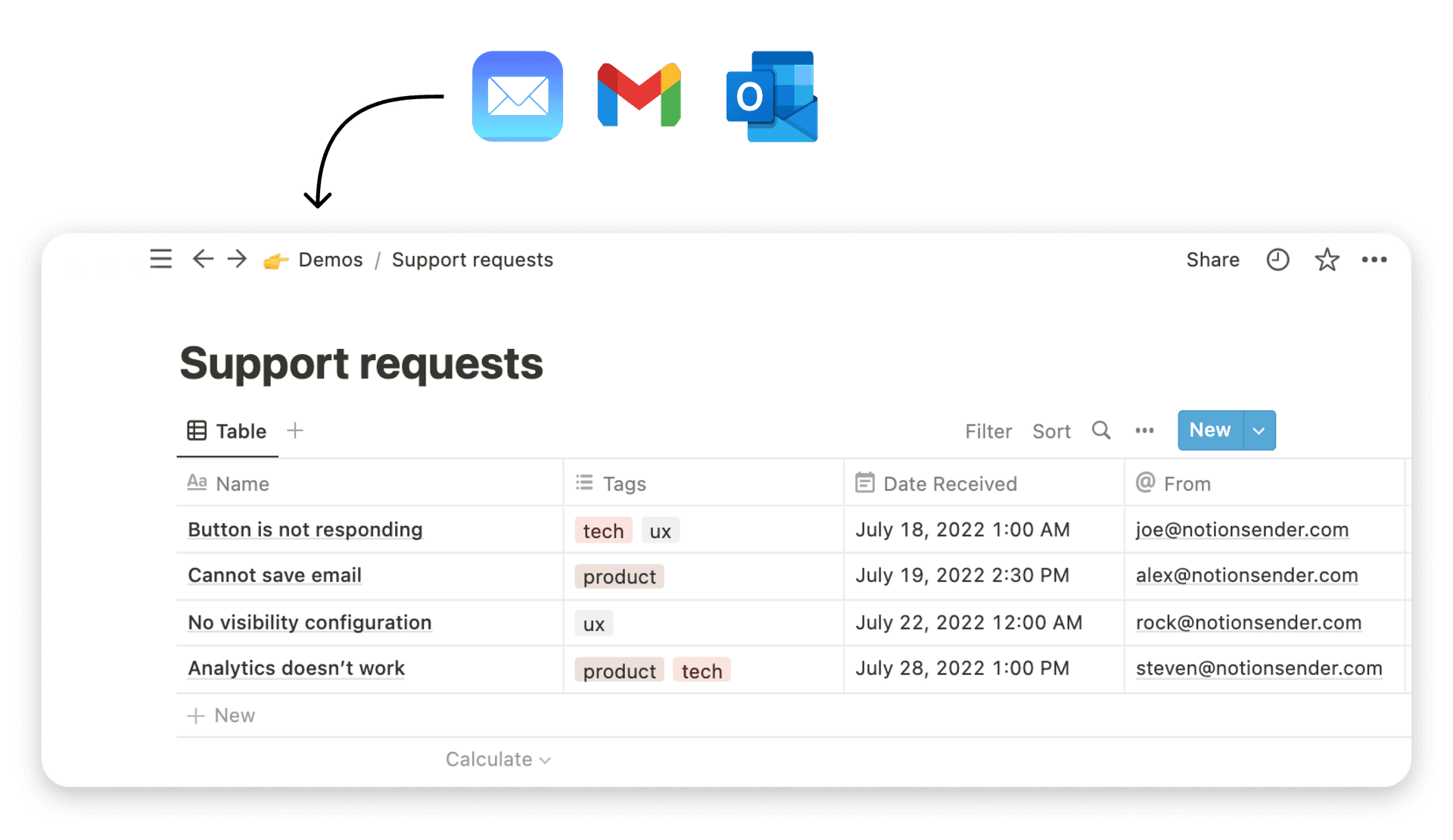
Imagine every notification from your blog automatically appearing in a dedicated project management tool. By connecting your email to a system like Notion, you can transform scattered alerts into an organized, actionable database. For instance, using a service like NotionSender, you can forward emails for new subscriber sign-ups, form entries, or even security warnings directly into a Notion database. This creates a unified command center for your blog’s operations, ensuring no critical update or reader interaction is ever missed. This system turns your inbox from a source of stress into a structured part of your workflow, all within the Notion environment you already use.
Ready to stop juggling emails and start managing your blog more efficiently? NotionSender connects your inbox directly to your Notion workspace, turning emails from your hosting provider into organized tasks. Get started with NotionSender today and build a central command center for your blog.