How to Start Thank You Letters That Build Relationships

You probably know the moment. An interview ends well, a client sends a thoughtful referral, a partner helps you out at the right time, or someone mails a gift that lands on a rough week and changes your mood. Then you sit down to write a thank you note and freeze on the first line.
That hesitation is normal. It happens because opening a thank you letter feels oddly high stakes. You want to sound warm, not stiff. Professional, not scripted. Appreciative, not overdone.
The good news is that learning how to start thank you letters is less about talent and more about structure. Once you know what belongs in the opening, why certain phrases work, and how to build a repeatable workflow, the blank page gets much easier to handle.
Why Writing a Great Thank You Letter Is a Superpower
A thank you note looks small on the surface. In practice, it can shape how people remember you.
That matters in hiring, client work, partnerships, and referrals. According to a Robert Half survey on thank-you messages in hiring, 80% of human resources managers said they take thank-you messages into account when deciding who to hire. That moves thank you notes out of the etiquette category and into the business-skills category.

If you're a freelancer, consultant, or small business owner, the same logic applies even when no formal interview is involved. People notice who follows up well. They notice who remembers specifics. They notice who can express appreciation without sounding canned.
Why this skill creates an edge
A strong thank you letter does three things at once:
- It confirms professionalism. You show that you don't disappear after receiving help, time, trust, or business.
- It deepens memory. Specific gratitude helps the other person remember the moment more clearly.
- It opens the next conversation. A thoughtful note can close a loop while still keeping the relationship alive.
Many people skip the note because they think it will be awkward, late, or unnecessary. In real working relationships, silence often feels colder than a short, sincere message ever would.
Practical rule: If someone gave you time, trust, access, feedback, business, or encouragement, a thank you note is rarely excessive.
The strongest professionals I’ve seen don’t treat gratitude as decoration. They use it as relationship maintenance. A thank you letter won't rescue poor work or weak character, but it does reinforce reliability, attentiveness, and emotional intelligence. Those are qualities people remember when they decide whom to hire again, refer, promote, or answer quickly.
The Anatomy of an Unforgettable Thank You Letter
Most weak thank you notes fail for one reason. They jump straight to “thank you” and stay generic.
That opening is polite, but it often sounds interchangeable. A better letter follows a sequence that feels human. Expert guidance in this framework for writing a great thank-you note recommends a three-part opening: describe the emotional context first, name the specific gift or action second, and show its impact within the first few sentences.

That sequence matters because it makes the letter sound lived, not assembled.
The opening hook
The start of the note should do more than announce gratitude. It should recreate the moment.
Compare these two versions:
- “Thank you for your help yesterday.”
- “I left our meeting feeling much clearer and more confident, and I wanted to thank you for the time you spent walking through the proposal with me.”
The second version works because it gives the recipient an emotional result before it names the action. That makes the gratitude feel earned.
A strong opening usually includes these moves:
- A feeling or reaction
- The specific thing the person did or gave
- A concrete sign that it mattered
You don't need all of that in one long sentence. You do need all three ideas to appear early.
Start with the effect on you, not the ritual phrase. That’s what makes the note sound personal.
The core message
After the opening, the body should explain why the gesture, help, or opportunity mattered. Many writers, however, often drift into filler at this point.
The fix is specificity. Mention what the person’s action changed, clarified, improved, encouraged, or made possible. If you're thanking a client, mention the trust they placed in you. If you're thanking an interviewer, mention a detail from the conversation. If you're thanking a referral partner, mention the introduction and what it meant for your work.
A useful check is this: if you could swap the recipient’s name with someone else’s and the note still works, it’s too generic.
The forward-looking close
The last part should leave the relationship in a good place. Not every thank you note needs a call to action, but it should carry some sense of warmth, continuation, or goodwill.
That might sound like:
- I’m looking forward to staying in touch.
- I appreciated the chance to speak with you and would welcome the opportunity to continue the conversation.
- Your feedback will shape the next draft, and I’m grateful you took the time to share it.
Here’s the architecture in a simple view:
| Phase | What it does | What to include |
|---|---|---|
| Opening | Creates emotional connection | Feeling, specific action, immediate impact |
| Body | Proves sincerity | Relevant detail, concrete value, context |
| Close | Keeps the relationship warm | Repeated thanks, future contact, courteous sign-off |
A memorable thank you letter isn't ornate. It feels observant. The writer noticed something specific, understood why it mattered, and responded with care.
Crafting the Perfect Opening Line
The first sentence is where many writers stall. Not because they don't feel grateful, but because they overthink tone.
That hesitation has a real psychological basis. Research highlighted by The University of Texas at Austin on gratitude and well-being found that people underestimate how positively recipients respond to thank-you notes and overestimate how awkward the note will feel. In other words, the barrier is often in your head, not in the reader’s reaction.
Choose the tone before the words
Before writing the first line, decide what kind of opening the situation calls for.
- Warm and personal works for gifts, mentors, friendly clients, or long-term collaborators.
- Formal and respectful works for interviews, senior stakeholders, and new business contacts.
- Energetic and upbeat works for referrals, event follow-ups, and project wins.
That decision makes the sentence easier to write because you're not searching the whole language at once.
Better opening lines by intent
Here are examples you can adapt.
Warm and personal
- I was so touched when your package arrived this week.
- I left our conversation feeling encouraged and unusually clear-headed.
- Your note came at exactly the right time, and I wanted to thank you right away.
Formal and respectful
- I appreciated the opportunity to speak with you and your team yesterday.
- I’m grateful for the time you took to discuss the role and share your perspective.
- I wanted to thank you for your thoughtful guidance during our meeting.
Energetic and upbeat
- I’m excited about what came out of our conversation, and I wanted to thank you for your insight.
- Thank you for the introduction. It was generous, timely, and helpful.
- I’m grateful for your feedback on the draft. It gave me a much stronger direction for the next version.
For more ideas on making your message feel warm without sounding forced, this piece on emails that make the other person smile is worth reading.
Before and after
Here’s what improvement usually looks like:
-
Generic: Thank you for the gift.
Better: I was delighted to open your gift this morning, and it immediately made my day feel lighter. -
Generic: Thank you for interviewing me.
Better: I appreciated how thoughtful and direct our conversation was, and I’m grateful for the chance to learn more about the role. -
Generic: Thanks for your feedback.
Better: Your comments on the proposal were sharp and helpful, and they gave me a clearer path for the next draft.
The opening line doesn't need to be clever. It needs to sound like it came from a real moment.
Thank You Letter Examples for Every Business Scenario
Templates help, but only when you understand why each line is there. A usable thank you note balances appreciation, specificity, and just enough forward motion.
One useful lesson from donor communication also applies in business. The guidance in this article on donation thank-you letters notes that donor-centered thank you letters that hint at future involvement perform better than purely transactional thank yous. In professional settings, that means a note can express gratitude and still gently point toward the next step.
After a job interview
Dear Ms. Patel,
I appreciated how thoughtful and welcoming our conversation felt yesterday. Thank you for taking the time to walk me through the role and the team’s priorities.
I especially enjoyed hearing how your team approaches cross-functional projects. Your description of the communication challenges in the first few months of the role gave me a clear sense of where I could contribute.
Thank you again for the opportunity to speak with you. I’d be glad to continue the conversation and answer any additional questions.
Best regards, Jordan Lee
“I appreciated how thoughtful and welcoming our conversation felt” works because it starts with the emotional tone of the meeting, not a flat formula.
“Your description of the communication challenges” shows the candidate was listening for substance, not just trying to sound grateful.
Thanking a client for their business
Hi Elena,
I wanted to thank you for trusting me with the launch copy for your new offer. Working with a client who gives clear feedback and quick context makes the process better from the start.
Your comments on the first draft sharpened the messaging in all the right places, and that made the final version much stronger. I’m grateful for the collaboration and for the care you brought to the project.
Thank you again for the opportunity to support this launch. If you'd like, I can also package the final messaging into shorter email and social versions for your next phase.
Warmly, Marcus
This note does more than say thanks. It recognizes the client’s role in the quality of the work.
The final sentence is a soft next step. It suggests helpful follow-on work without turning the note into a sales email.
After a networking meeting
Hello Priya,
I left our coffee meeting with several useful ideas, and I wanted to thank you for being so generous with your time. Your advice on positioning my services more clearly was especially helpful.
I also appreciated your candid perspective on where independent consultants often undersell their process. That point stayed with me after we spoke, and I’ve already started tightening how I explain my work.
Thank you again for meeting with me. I hope I can return the favor, and I’d love to stay in touch.
Best, Danielle
This version works because it captures value without overpraising. Networking thank you notes should sound grounded, not performative.
Thanking a partner or collaborator
Hi Sam,
I’ve been thinking about how much smoother the workshop ran because of your support, and I wanted to thank you directly. The way you handled the last-minute logistics gave the whole session a calmer tone.
Your preparation showed up everywhere, from the materials to the pacing in the room. That kind of behind-the-scenes work often goes unnoticed, but it made a real difference.
I’m grateful we got to work together on this. I’d be glad to collaborate again when the next opportunity comes up.
Best, Avery
A collaborator note should name labor that may otherwise be invisible. That makes the appreciation feel intelligent.
After feedback on a draft or proposal
Hi Renee,
Thank you for the thoughtful feedback on the proposal. Your comments helped me see where the scope needed to be clearer, and that gives me a much better starting point for the revision.
I especially appreciated your note about the rollout timeline. That detail helped me tighten the sequence so the next draft feels more practical and easier to review.
I’m updating the document with your comments in mind and will send the revised version shortly. Thanks again for taking the time to look at it so carefully.
Best, Leo
This kind of note is useful when the relationship is still new or transactional. It says thank you and lightly signals progress.
A good business thank you note can include a micro-nudge. The key is to make the next step sound like service, not pressure.
Common Mistakes That Weaken Your Message
Most thank you letters fall short. They aren't rude. They just don't land.
The issue is usually one of clarity, length, or tone. Guidance collected in Positive Psychology’s overview of gratitude messages and letters says informal notes work best at 3 to 4 sentences, while formal letters can go up to 300 words. When a note is too short to feel personal or too long to stay focused, busy readers are more likely to disengage.

Generic language
A vague note often sounds efficient to the sender and forgettable to the recipient.
- Weak example: Thanks for everything. I really appreciate it.
- Strong fix: Thank you for staying after the meeting to walk me through the budget concerns. Your explanation helped me understand the trade-offs much more clearly.
Wrong length
Some people think any thank you note should be brief at all costs. Others use it to unload every related thought they’ve had that week.
| Problem | Weak example | Strong fix |
|---|---|---|
| Too short | Thanks for your time. | Thank you for making time to meet yesterday. Your feedback on the rollout plan helped me spot two changes I needed to make. |
| Too long | Multiple paragraphs that repeat gratitude without adding detail | Keep one core point, one specific impact, and one courteous close |
Flat or mismatched tone
Tone problems usually happen when the writer borrows language that doesn't fit the relationship.
- Weak example: I am profoundly indebted to you for your magnificent assistance.
- Strong fix: I’m grateful for your help. You made a stressful situation much easier to handle.
A thank you note should sound like your best professional self, not a wedding toast or a legal memo.
The safest tone is specific, calm, and warm. Most notes get stronger when you remove exaggerated language.
Delayed sending
A late thank you note is usually better than none. But delay creates a burden in the writer’s mind, and that burden often leads to avoidance.
The fix is simple. Write a draft while the details are still fresh, even if you need to revise it later. The opening line will come faster when you still remember how the interaction felt.
How to Automate Gratitude with NotionSender
If your work includes interviews, proposals, referrals, support conversations, gifts, or client projects, gratitude can become a recurring task instead of a one-off gesture. That’s where systems help.
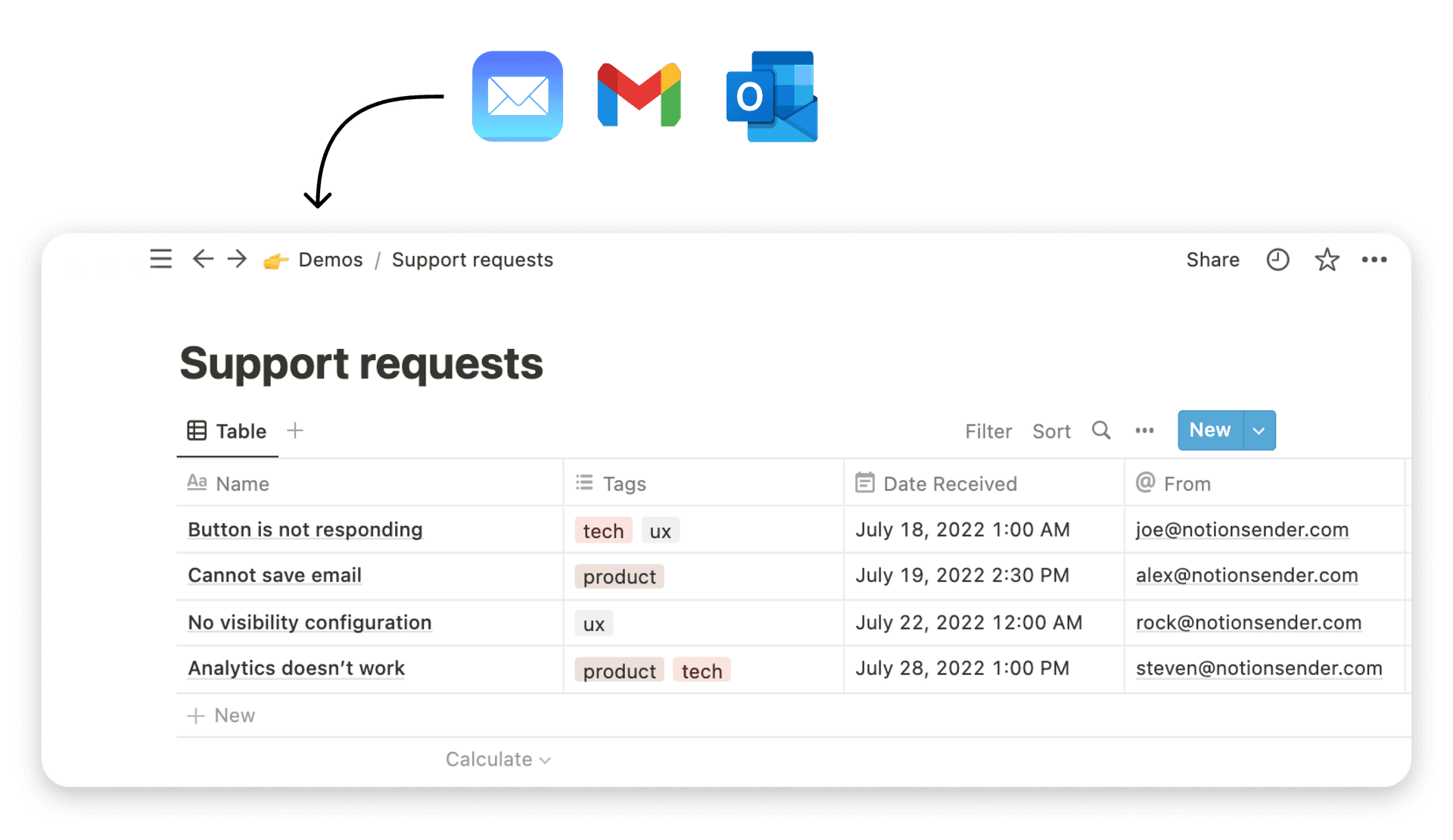
A basic workflow inside Notion can keep thank you notes from slipping through the cracks. Instead of relying on memory, you track who needs a note, why they deserve one, and what detail should appear in the message.

Build a simple gratitude hub in Notion
Create a database with fields that force specificity. Useful properties include:
- Recipient name for the person you’re thanking
- Relationship type such as client, interviewer, collaborator, or referral partner
- Reason for thanks so the purpose stays clear
- Specific detail that names the gift, action, or moment
- Impact note explaining what changed for you
- Next step if the message should gently lead somewhere
- Send status so drafts don’t sit unfinished
This setup keeps the emotional part of the message personal while removing the logistical friction. If you want a broader primer on automation concepts before building your workflow, this email automation guide gives a solid overview.
Create templates without sounding robotic
The point of a template isn't to mass-produce fake warmth. It's to preserve the structure so you can spend your attention on the details that make the note feel real.
A useful format looks like this:
- Opening sentence based on feeling
- One sentence naming the specific action or gift
- One sentence explaining the impact
- Optional closing sentence with a future touchpoint
For example, you might store reusable sentence patterns such as:
- “I appreciated how ___ felt, and I wanted to thank you for ___.”
- “Your help with ___ made ___ much easier.”
- “I’m grateful for your time and look forward to ___.”
If you want a more hands-on walkthrough, this guide on creating and sending email from Notion shows how a Notion-based email workflow comes together.
A quick visual walkthrough helps here:
<iframe width="100%" style="aspect-ratio: 16 / 9;" src="https://www.youtube.com/embed/_HKkfLCNb8o" frameborder="0" allow="autoplay; encrypted-media" allowfullscreen></iframe>
Use scheduling to protect consistency
The best use of automation is timing, not impersonality. Schedule thank you drafts to go out when they’re still relevant. Keep a review step so each message gets a final human pass.
That matters because the strongest notes still depend on judgment. You decide when to be formal, when to reference a next step, and when a handwritten note would matter more than an email. The system handles reminders and delivery. You handle sincerity.
Conclusion Make Gratitude Your Professional Habit
A thank you letter does more than acknowledge a moment. It shapes how people experience a relationship with you over time.
The notes that work best share a few qualities. They’re specific about what happened, timely enough to feel connected to the moment, and warm without becoming theatrical. They also start well. When the opening line captures feeling, names the action, and shows the impact, the rest of the note becomes much easier to write.
Systems help that habit survive a busy schedule. If you’re curious about the mechanics behind those systems, this explanation of how email automation works is a useful companion read. Pair that with a practical workflow for follow-ups, drafts, and message tracking, like the ideas in these simple email management tips for productivity.
The true goal isn't to write one perfect note. It's to become the kind of professional who notices effort, responds thoughtfully, and makes gratitude part of how you work.
If you want a simple way to turn thank you notes into a repeatable habit, NotionSender helps you manage drafts, personalize messages from your Notion workspace, and send them on your schedule so appreciation doesn’t get lost in the shuffle.