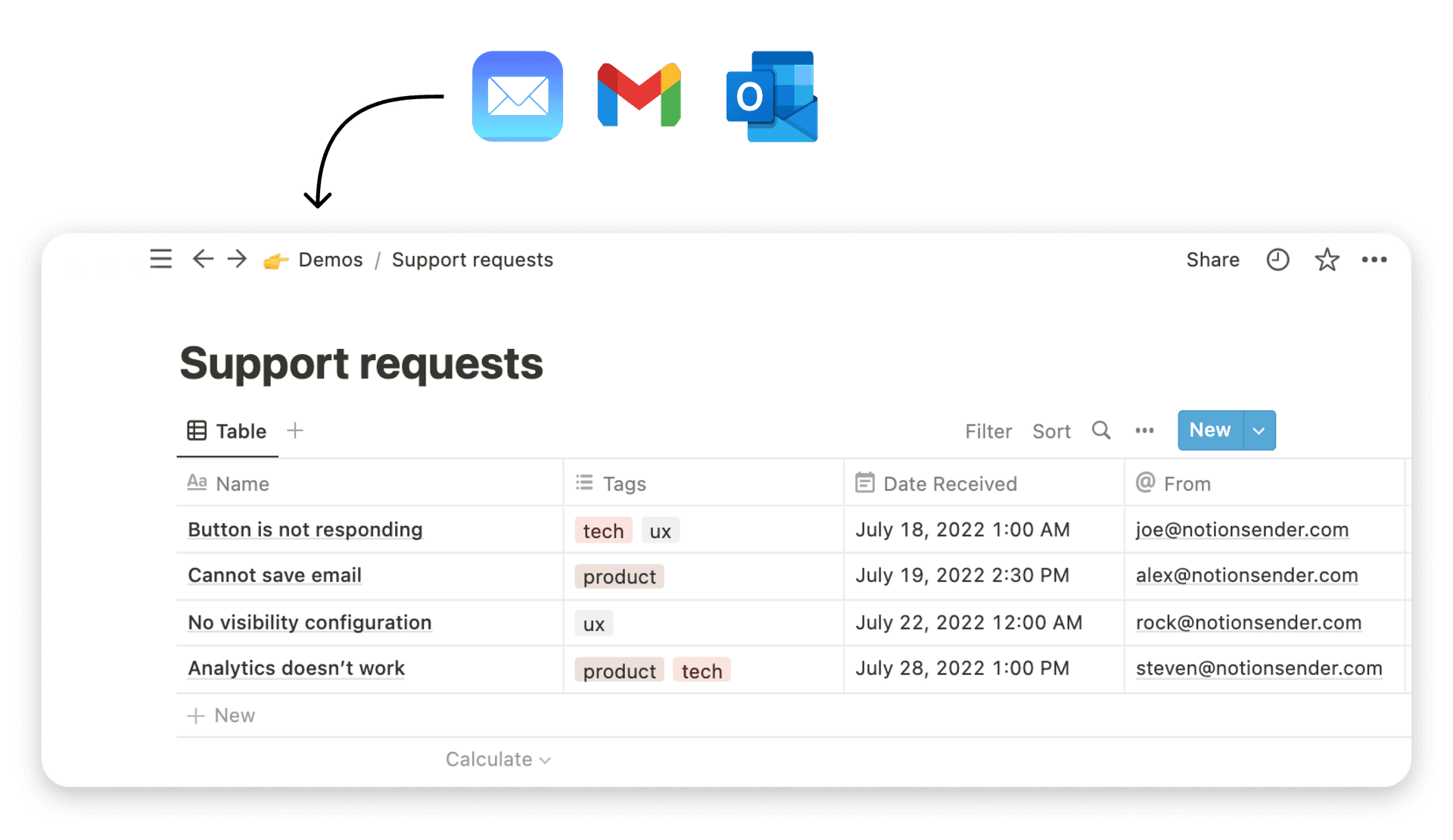
How to Write a Blog Post: A Step-by-Step Guide for 2026

You open Notion, create a page called “Blog Ideas,” type a headline, and then stall. The cursor blinks. Ten tabs are open. You’ve half-written an intro, second-guessed the topic, and wondered whether blogging still deserves a place in your week.
That moment is normal. It isn’t a creativity problem. It’s usually a workflow problem.
The struggle to write a blog isn't caused by poor writing skills. They’re trying to make strategic decisions, outline, draft, edit, format, and promote all at once. That’s too many jobs for one sitting. A reliable process fixes that. It turns blogging from an occasional burst of effort into a repeatable system you can trust.
Beyond the Blank Page An Introduction to Modern Blogging
A small business owner usually doesn’t sit down to “express ideas.” They sit down because they need content that answers customer questions, builds search visibility, and supports sales. A freelancer has a similar problem. So does a project manager building thought leadership for a niche service.
That’s why the blank page feels heavy. The page isn’t just a page. It carries business expectations.

The practical answer is to stop treating blog writing like a single task. It’s a sequence. Topic selection, keyword choice, angle, outline, draft, edit, publish, promote, and review all need their own lane. Once each part has a home, writing gets easier because fewer decisions happen at the same time.
That matters more now because blog production takes longer than it used to. In 2014, the average blog post took 2 hours and 24 minutes to write. By 2025, that time had increased by 75% to nearly 4 hours, according to Wix’s roundup of blogging statistics and facts. Higher expectations for research, depth, and quality are part of the job now.
Practical rule: Don’t aim to “finish a blog post.” Aim to complete the next stage cleanly.
That shift changes how to write a blog in a useful way. Instead of waiting to feel ready, you build a system that removes friction. Notion works well for this because it can hold your topics, outlines, drafts, editorial notes, and publishing pipeline in one place. If you want examples of that kind of operational thinking, the NotionSender blog is worth browsing.
A good workflow doesn’t make writing effortless. It makes it manageable. That’s the difference.
The Foundation Your Content Strategy and Idea Engine
Most weak posts fail before the first sentence. The topic is vague, the audience is blurry, and the keyword target is too broad or too random to produce traction.
If you want to learn how to write a blog that gets read, start before the draft.
Define one reader, not a crowd
A strong blog post speaks to someone specific. Not a market segment. Not “small businesses.” One believable person with a role, a problem, and a reason to care.
That focus matters because an estimated 90% of blog content fails to connect with readers because it’s written for a “faceless crowd” rather than a well-defined buyer persona, as noted in this expert guide to blog writing. The same source also points to keywords with over 1,000 monthly searches and low competition as a useful starting point.
Build a simple persona with five fields inside Notion:
- Role: Who are they at work? Example: freelance designer, agency owner, operations manager.
- Current frustration: What slows them down today?
- Desired outcome: What would “better” look like next month?
- Language they use: What phrases appear in emails, calls, or community posts?
- Decision context: Are they researching, comparing, or ready to act?
You don’t need a giant document. One clean card in your content database is enough.
Write to one person well and more people will recognize themselves in the piece.
Find keywords with intent, not just volume
A lot of beginners pick topics by instinct. That usually creates posts that are hard to rank and harder to convert.
Use a basic research routine instead:
- Search your topic in Google and note the autocomplete suggestions.
- Scan the “People also ask” box.
- Review the top-ranking posts and ask what they all cover.
- Look for missing angles, weak explanations, or outdated advice.
- Save related keyword variants in your Notion topic page.
The point isn’t to stuff phrases into a draft. The point is to understand intent. Someone searching “how to write a blog” likely wants a practical walkthrough. Someone searching “blog post template for B2B SaaS” needs a narrower answer. Those are different articles.
A good keyword target usually passes three tests:
- Clear intent: You know what the searcher wants.
- Real fit: The topic matches your expertise or business.
- Distinct angle: You can add something better than what’s already ranking.
Build an idea engine that keeps producing
One of the easiest ways to waste writing time is to choose topics from scratch every week. You want a backlog, not a blank slate.
In Notion, create a database with these properties:
| Property | Use |
|---|---|
| Topic | Working title or keyword |
| Persona | Primary reader |
| Search intent | Informational, comparison, decision-stage |
| Business relevance | Why this topic matters to your offer |
| Status | Idea, researching, outlined, drafted, edited, published |
| Priority | High, medium, low |
| Notes | Questions, examples, source material |
Then collect ideas from places where real language appears:
- Customer emails: Questions customers ask repeatedly often become your best posts.
- Sales calls: Objections make strong comparison or myth-busting articles.
- Support threads: Friction points reveal practical tutorial opportunities.
- Competitor blogs: Not to copy them, but to spot gaps.
- Internal docs: SOPs, onboarding notes, and FAQs can often be repurposed.
Choose topics with business logic
Not every idea deserves a post.
A workable topic usually sits at the overlap of audience need, search demand, and business relevance. If a topic only satisfies your curiosity, it might still be fun, but it won’t always be useful. If it only chases a keyword with no connection to your offer, it can bring the wrong traffic.
Use a short filter before approving any draft:
- Does this solve a real problem?
- Can I explain it better than the average result?
- Does this naturally lead to a next step?
- Would I still publish it if search traffic were smaller than expected?
If the answer is no to most of those, park the idea.
A publishing rhythm also matters. If your topic backlog is growing but your schedule is chaotic, map it to a real calendar. Up North Media’s guide on how to create a content calendar is a useful reference for turning loose ideas into an actual plan.
What works and what doesn’t
Here’s the blunt version.
What works
- Starting from repeated audience questions
- Targeting one intent per post
- Giving each article a defined reader and purpose
- Saving research in the same place as the draft
What doesn’t
- Choosing broad topics because they “seem important”
- Writing for everyone
- Treating keyword research as an afterthought
- Approving topics with no business relevance
If your foundation is solid, the draft gets dramatically easier. The post already knows who it’s for, what question it answers, and why it deserves to exist.
Structuring for Success From Outline to First Draft
The outline is where most good blog posts are won.
People often think the draft is the hard part. Usually it isn’t. The hard part is deciding what belongs in the piece, what order it should appear in, and what point each section needs to make. Once that logic is clear, writing becomes assembly rather than improvisation.

Start with the single takeaway
Before you write the intro, identify the one thing the reader should remember. Not three things. One.
If the post is about how to write a blog, the core takeaway might be this: strong posts come from a repeatable system, not bursts of inspiration. Every section should support that.
Write this sentence at the top of your outline:
After reading this post, the reader should be able to ________.
That sentence keeps the article from wandering.
Build an outline that removes drafting friction
A useful outline is detailed enough that drafting feels obvious. It doesn’t need to be pretty. It needs to answer the next question before you hit it.
A practical blog outline looks like this:
-
Working headline
Use a clear promise. Don’t optimize for cleverness first. -
Reader problem
Write one or two sentences about the tension that brings them to the page. -
Main argument
State the answer you’ll defend. -
Section list
Break the article into logical H2s and supporting H3s. -
Proof points and examples
Add notes under each section with examples, explanations, and stories. -
Call to action or next step
Decide what the reader should do after finishing.
Here’s the part many people skip. Under each heading, write rough bullets for the exact points you’ll cover. This catches repetition early. It also reveals thin sections before you waste time drafting them.
Use evidence without sounding mechanical
Strong blog writing needs support. Unsupported claims weaken trust fast.
Implementing a data-driven blog post methodology, where assertions are backed by testing or data, is a proven strategy for growth, according to Neil Patel’s guide to writing a data-driven post. The same guidance recommends adding personality by framing data around personal experiments or relatable case studies.
That’s an important balance. Data alone can feel dry. Pure opinion can feel flimsy. Good posts combine both.
Use facts to earn trust, then use examples to make the lesson stick.
In practice, that means:
- If you make a claim, support it.
- If you cite a source, explain why it matters.
- If you share an experience, tie it back to the reader’s problem.
A sentence like “headlines matter” is too weak on its own. A stronger version is “your headline sets the promise for the article, so if it’s vague, the rest of the post has to work harder to keep attention.”
Write the introduction last if needed
A lot of drafts stall because the writer tries to perfect the opening before the body exists.
You don’t need to do that. Draft the body first if that’s easier. Then write the intro once you know what the post says.
A practical intro usually handles four jobs:
| Intro job | What it does |
|---|---|
| Context | Shows the reader you understand the situation |
| Tension | Names the problem or frustration |
| Promise | Signals what the post will help them do |
| Momentum | Gives them a reason to keep reading |
Skip grand statements. Get specific quickly.
Weak opening: “Blogging is one of the most powerful forms of content marketing.”
Better opening: “You picked a topic, opened a draft, and lost an hour deciding how to begin.”
The second version gives the reader a recognizable moment. That’s more useful than a broad claim.
Draft in layers, not in one pass
Trying to make the first draft clean usually slows people down.
Instead, write in layers:
- Layer one: Get the ideas down in order.
- Layer two: Clarify transitions, examples, and phrasing.
- Layer three: Tighten wording and remove repetition.
This is one reason outlines matter so much. They let you draft with momentum because the structure is already doing part of the work.
A few drafting habits help:
- Write section by section: Don’t stare at the whole article.
- Leave placeholders: If an example is missing, note it and keep moving.
- Avoid line editing too early: Sentence polish belongs later.
- Read for flow between headings: The logic between sections matters as much as the sections themselves.
Make the body easy to read online
Readers typically don’t read blog posts top to bottom on the first pass. They scan. Your formatting should help them.
Use:
- Short paragraphs
- Descriptive headings
- Bullets where comparison helps
- Bold text for key terms and takeaways
- Concrete examples instead of abstract filler
That doesn’t mean writing shallow content. It means packaging substance in a way the web rewards.
What usually weakens a first draft
These problems show up constantly:
- The post tries to answer too many questions.
- The outline follows the writer’s thinking instead of the reader’s.
- The intro takes too long to reach the point.
- Sections repeat the same lesson with new wording.
- Claims appear without evidence or experience behind them.
If you notice any of those in your draft, don’t panic. That’s normal. It means the outline did not go deep enough or the article needs a stronger core message. Fix the structure first. Sentence-level edits won’t solve architectural problems.
A first draft doesn’t need polish. It needs shape. Once the structure is sound, the editing stage becomes straightforward.
The Notion Workflow Centralize Your Blogging Process
Most blog workflows break because information lives in too many places. Ideas sit in notes. Keyword research ends up in a browser bookmark folder. Drafts live in Google Docs. Editorial comments arrive in email. Promotion gets tracked nowhere.
That setup creates drag. You spend time hunting for context instead of writing.
An integrated workspace reduces that drag. A 2025 report showed 62% of freelancers now use integrated tools like Notion for content management, as noted in Contentellect’s guide to writing a blog. The broader point is easy to see in practice. When planning, drafting, and review happen in the same system, content work becomes easier to manage.

Set up one source of truth
Inside Notion, create a main database called Content Hub. Each row is one article.
Add properties that reflect how content moves through your process:
- Title
- Primary keyword
- Audience
- Stage
- Owner
- Draft link
- Publish date
- Promotion status
- CTA
- Notes
Then create views for different jobs:
| View | Purpose |
|---|---|
| Backlog | Raw ideas and unapproved topics |
| In progress | Articles currently being researched or drafted |
| Editorial | Posts waiting on review or revisions |
| Scheduled | Approved posts with publication dates |
| Published | Finished posts ready for promotion and updating |
Different moments need different visibility. A strategist wants backlog and priorities. A writer wants only active drafts. An editor wants pieces waiting on review.
Use templates instead of starting from scratch
Create a Notion template for every new blog post. Include:
- Working headline
- Search intent
- Reader pain point
- Core takeaway
- Outline section
- Source notes
- Internal links to include
- CTA draft
- Editorial checklist
That template removes the “what do I do first?” problem. It also improves consistency across a team.
A clean template doesn’t make your writing generic. It protects your attention for the parts that need judgment.
You can also add prompt fields like:
- What question is this post answering?
- What makes this article better than the current search results?
- What proof, example, or experience supports the claims?
Those prompts are useful because they force clarity before the draft grows.
Collaborate where the draft lives
Notion is especially useful when more than one person touches the post.
A writer can draft directly in the page. An editor can leave comments on weak transitions. A subject matter expert can clarify a section without sending a long email chain. A marketing lead can confirm the CTA and publishing date in the same record.
That keeps feedback attached to the work itself. No separate document. No buried notes. No “final_v6_reallyfinal” file naming.
For practical workflow ideas built around email and Notion together, this post on 7 ways to use Notion to send emails and more write schedule and share shows useful patterns you can adapt.
Bring outside input back into the system
Most content teams still let review and outreach drift into inboxes. That’s where process starts to leak.
If someone replies with feedback, suggests a topic, or asks a follow-up question after publication, capture that information back inside your content hub. The exact method can vary, but the operating principle is simple. Don’t let useful audience language disappear into scattered email threads.
That’s especially useful for:
- Reader questions that deserve follow-up posts
- Partner replies about content collaborations
- Editorial feedback from external reviewers
- Notes from post-publication outreach
Here’s a visual walkthrough that can help if you’re building a more operational content system inside Notion:
<iframe width="100%" style="aspect-ratio: 16 / 9;" src="https://www.youtube.com/embed/k2br1u7iTwU" frameborder="0" allow="autoplay; encrypted-media" allowfullscreen></iframe>
Make publishing and promotion part of the same workflow
A post shouldn’t disappear into a “published” state with no next action.
Inside the same Notion record, add a small promotion checklist:
- Email newsletter mention
- LinkedIn post drafted
- Internal links added from older posts
- Outreach targets listed
- Repurposing notes captured
- Performance review date assigned
Centralized workflow pays off. The article isn’t treated as a document. It’s treated as an asset with a full lifecycle.
What this setup fixes
A Notion-centered process won’t make every article good. It will make your operation cleaner.
It helps when:
- you publish regularly and need visibility across stages
- several people contribute to one post
- you want topic ideas, drafts, and review notes in one place
- you care about promotion enough to track it
It helps less if you only write one informal post every few months. But if blogging supports your business, centralization quickly becomes practical rather than optional.
The best workflow is the one you’ll maintain. For many teams, Notion is strong because it combines flexibility with enough structure to keep content moving.
Refining and Polishing Your Post The Editorial Checklist
Finishing the draft is a good sign. It isn’t the finish line.
A post can have a solid idea and still underperform because the logic is loose, the formatting is hard to scan, or the search intent drifts halfway through. Editing fixes that. Not just grammar. Direction.
Edit in passes, not all at once
Trying to catch everything in one read usually leads to shallow edits. Use separate passes with separate questions.
First, read for structure. Does the argument progress cleanly? Are any sections repeating the same point?
Second, read for clarity and style. Are the sentences direct? Can a busy reader move through the page without friction?
Third, check search presentation. Does the title match the query? Do the headings help the article earn and keep attention?
Read the piece once as the writer, once as the editor, and once as the impatient reader.
The Final Pre-Publish Editorial Checklist
| Check Category | Task | Status |
|---|---|---|
| Developmental | Confirm the article solves one clear reader problem | ☐ |
| Developmental | Check that the introduction reaches the point quickly | ☐ |
| Developmental | Remove repeated ideas across sections | ☐ |
| Developmental | Make sure each heading reflects the content under it | ☐ |
| Developmental | Add examples where explanations feel abstract | ☐ |
| Copyediting | Trim filler phrases and unnecessary qualifiers | ☐ |
| Copyediting | Replace vague wording with specific language | ☐ |
| Copyediting | Fix grammar, punctuation, and spelling | ☐ |
| Copyediting | Read the post aloud for awkward rhythm | ☐ |
| Readability | Break long paragraphs into shorter blocks | ☐ |
| Readability | Convert dense text into bullets or tables where helpful | ☐ |
| Readability | Bold only the key takeaways, not every other sentence | ☐ |
| On-page SEO | Make sure the target keyword appears naturally in the title and headings | ☐ |
| On-page SEO | Check that the meta title and description match intent | ☐ |
| On-page SEO | Add useful internal links and relevant external links | ☐ |
| On-page SEO | Confirm image alt text is descriptive and accurate | ☐ |
| Conversion | Make sure the CTA fits the article and the reader’s stage | ☐ |
| Final QA | Preview the post on desktop and mobile before publishing | ☐ |
Three questions catch most issues
If you don’t have time for a full editorial session, ask these before publishing:
- Is this clear? If a sentence needs rereading, rewrite it.
- Is this useful? If a section only restates obvious advice, cut it.
- Is this credible? If a claim lacks support, qualify it or remove it.
That last point matters. Strong blog writing isn’t louder. It’s more precise.
Format for the web, not for an essay
Many first drafts still look like school assignments. Long blocks. Soft subheads. No scanning cues.
Fix that before you publish:
- Keep paragraphs short.
- Use bullets when comparing options or steps.
- Use tables when structure helps comprehension.
- Bold key terms sparingly.
- Cut throat-clearing openings from paragraphs.
A blog post should feel easy to enter at any point on the page. That’s good formatting, not oversimplification.
Know when to stop editing
There’s a point where improvements become cosmetic.
If the article is accurate, useful, readable, and aligned to the reader’s intent, publish it. Don’t let endless tweaking become a disguised form of avoidance. A post that ships and gets reviewed later teaches you more than a “nearly done” draft sitting in your workspace.
Promoting Your Content and Measuring Impact
Publishing is distribution’s starting point, not the end of the job.
Many teams waste good writing. They spend hours drafting, editing, and formatting, then post the article and move on. That approach ignores how blog results compound. Consistency and promotion are tied together.
Companies that publish 16 or more blog posts per month generate approximately 4.5 times more leads than companies that publish only four posts, according to Liam Marshall’s roundup on blogging relevance and results. The useful takeaway isn’t that everyone should chase a huge publishing volume. It’s that sustained output and active promotion drive the business side of blogging.
Promote every post in multiple formats
A single blog post can become several follow-up assets:
- Email note: Send the post to subscribers with a short explanation of why it matters.
- LinkedIn post: Pull one sharp point or lesson and link back to the article.
- Client follow-up: Share the post directly with leads or customers who asked related questions.
- Internal links: Add the new article to older posts where it improves the reader journey.
If you publish on newsletter-first platforms too, WriteStack’s guide on how to schedule Substack notes is a useful reference for keeping promotion consistent instead of improvising every share.
Personal outreach beats generic blasts
A short, relevant email to the right person often does more than a broad social post.
Reach out to:
- collaborators quoted or mentioned in the article
- customers who asked the question the article answers
- partners whose audience overlaps with the topic
- newsletter subscribers who clicked similar content before
For subject line and messaging ideas, this post on how to increase your open rates with these 10 email marketing tricks is a practical reference.
Promotion works best when the message matches the recipient. The article is the asset. Distribution is still a writing job.
Measure what changes future decisions
Don’t drown yourself in dashboards. Track the signals that help you improve the next piece.
Review:
| Metric | Why it matters |
|---|---|
| Traffic | Shows whether the topic and distribution attracted attention |
| Engagement time | Indicates whether readers stayed with the content |
| Click-throughs | Reveals whether the CTA and internal links worked |
| Replies or comments | Surface objections, confusion, and future topic ideas |
| Conversions | Ties the article back to business value |
Use those patterns to refine future topics, introductions, and promotion angles. If a post gets traffic but low engagement, the headline may be stronger than the delivery. If readers stay but don’t click, the CTA may be too weak or too early.
Blogging gets better when each published article teaches the next one how to perform.
If you want a cleaner way to manage the full content cycle inside Notion, from collecting ideas to sending outreach and keeping feedback attached to the work, take a look at NotionSender. It’s built for teams and solo operators who want their content workflow, email communication, and operational context in one place instead of scattered across separate tools.