A Marketing Communication Plan Template Built for Real-World Campaigns

A well-structured marketing communication plan template is the difference between marketing that feels chaotic and reactive, and a strategy that's proactive and actually hits its goals. Think of it as the roadmap that ties every message, every channel, and every objective into one, cohesive effort.
Why a Communication Plan Is Your Most Valuable Marketing Asset
Ever feel like you’re just throwing spaghetti at the wall? You launch a social media campaign, fire off a few emails, and maybe publish a blog post, but nothing feels truly connected. It’s a common frustration, and it's what separates random tactics from a strategy that works.
A documented marketing communication plan becomes your team's single source of truth. It's what makes sure every single action is intentional and pushing you closer to your big-picture business goals.
Without this central document, teams drift into their own silos. Your social media manager might be pushing one message, while the email campaign is saying something slightly different, and the content team is writing about a topic that doesn't even support your next product launch. That kind of misalignment just leads to a diluted brand message, wasted money, and a clunky, confusing journey for your customers.
From Scattered Tactics to Strategic Impact
Putting a formal plan in place shifts your entire approach from being reactive to proactive. Instead of just chasing the latest trend or scrambling to respond to a competitor's move, you’re executing a strategy you’ve already thought through. This is a game-changer, especially for agile businesses and freelancers where every dollar and every hour has to pull its weight.
And this isn't just a nice idea; it's a proven way to get better results. Research shows that organizations with documented communication plans see 33% better campaign performance, which translates to higher engagement and more conversions. It’s no surprise that around 72% of organizations now use formal marketing communication plan templates to steer their campaigns. These stats, highlighted on Smartsheet, really underscore how essential they've become.
The Core of an Effective Plan
A powerful marketing communication plan is much more than a simple to-do list. It’s a complete framework that forces you to answer the tough, critical questions right at the start:
- Who are we talking to? This means getting specific and building out detailed audience personas.
- What do we want them to do? You need to set clear, measurable objectives. No fluff.
- What is our core message? It's all about crafting compelling and consistent messaging that resonates.
- Where will we reach them? This is where you strategically select the most effective channels for your audience.
When you're building out your own plan, starting with a battle-tested resource like a comprehensive product launch marketing plan template can give you a massive head start. It helps make sure you're not missing any crucial pieces from the get-go.
To give you a clearer picture, here are the core pieces that absolutely must be in your plan.
Essential Components of a High-Impact Communication Plan
A quick look at the foundational elements every effective marketing communication plan template needs to succeed.
| Component | Its Role in Your Success |
|---|---|
| Objectives & KPIs | Defines what "success" looks like with clear, measurable goals. |
| Target Audience | Creates detailed personas so you know exactly who you're talking to. |
| Key Messaging | Establishes the core value proposition and consistent talking points. |
| Channels & Tactics | Maps out where and how you'll deliver your message (e.g., email, social). |
| Content Calendar | Schedules all activities and content publication for a cohesive timeline. |
| Budget & Resources | Allocates financial and human resources to execute the plan effectively. |
| Measurement Plan | Outlines how you will track, analyze, and report on your KPIs. |
Each of these components works together to form a complete, actionable strategy that drives real results.
The real power of a communication plan isn't in the document itself, but in the clarity it creates. When everyone knows the 'why' behind the 'what,' their work becomes more focused, creative, and impactful.
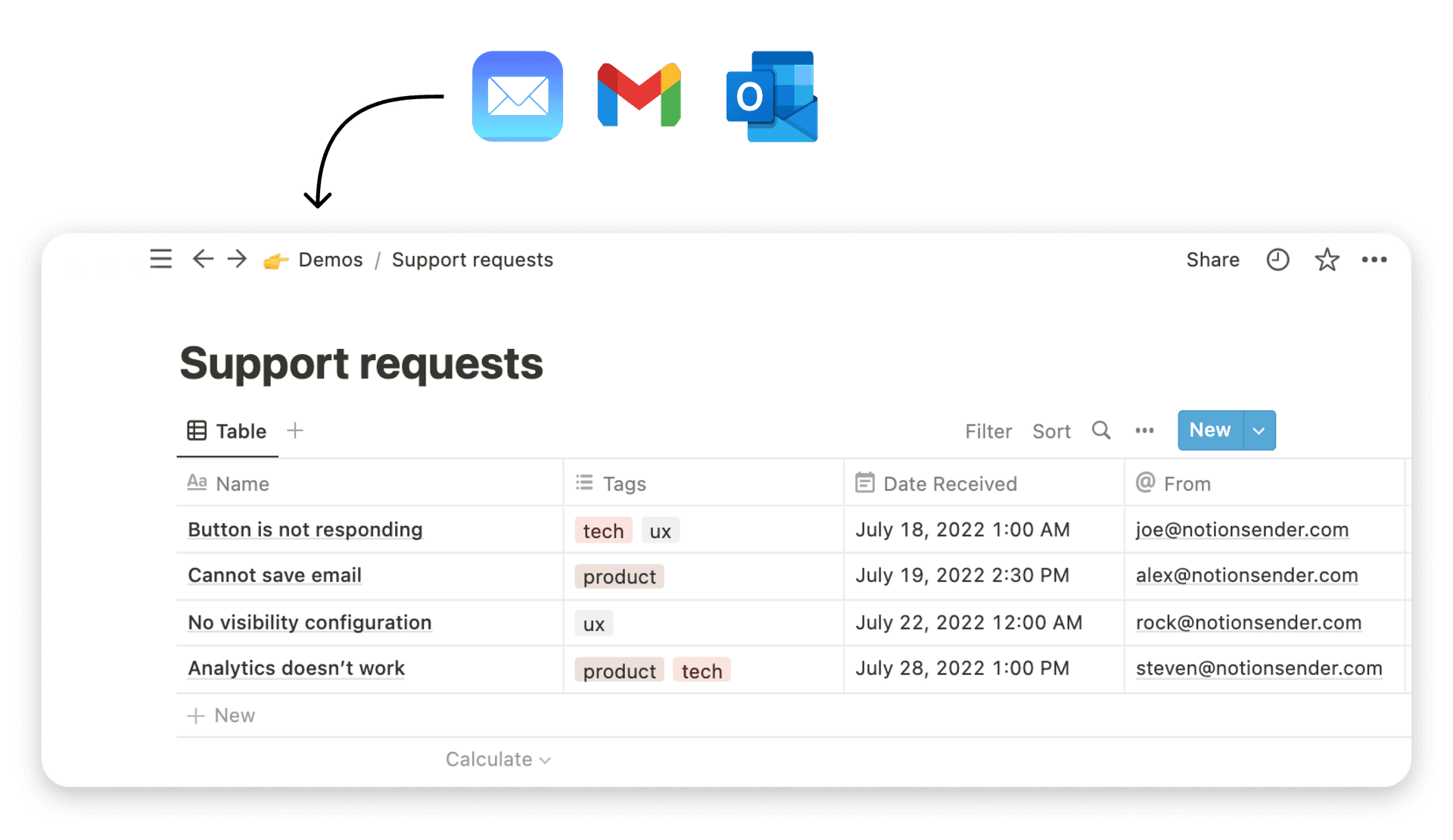
Here’s a quick look at how our Notion template organizes these core components into a clean, actionable dashboard.
This kind of centralized view ensures that every single team member—from leadership down to your freelance writers—can see exactly how their individual tasks connect to the broader campaign goals, timelines, and the audience you're trying to reach.
Bringing Your Marketing Communication Plan to Life in Notion
A great plan on paper is one thing, but the real test is turning that document into a living, breathing command center for your marketing. This is where a tool like Notion absolutely shines, transforming your strategic framework into a dynamic and collaborative workspace. Let's get practical and walk through how to build out your marketing communication plan template with a real-world example.
Picture this: a small SaaS company, let's call them "ConnectSphere," is about to launch a huge new feature—AI-powered project summaries. Their main goal? Get existing free users to upgrade to their paid "Pro" tier. This scenario is perfect for putting our template into action.
Defining Razor-Sharp SMART Objectives
Before a single word of copy gets written, the ConnectSphere team needs to agree on what victory looks like. Fuzzy goals like "get more users" just won't cut it. They need specific, measurable targets to anchor the whole campaign. Using the template in Notion, they nail down their primary objective.
- Specific: Drive upgrades from the free tier to the Pro plan by promoting the new AI Summary feature.
- Measurable: Hit a 5% upgrade rate among free users who interact with the campaign, and do it within 60 days of launch.
- Achievable: Looking at past feature launches, a 5% conversion is a stretch goal, but it's definitely in the realm of possibility.
- Relevant: This directly fuels the company's big Q3 goal of boosting monthly recurring revenue (MRR).
- Time-bound: The clock starts at launch, and they have 60 days to hit the target.
With this SMART goal locked and loaded in their Notion doc, every decision that follows—from the messaging they craft to the channels they choose—has a clear North Star to guide it.
Building Detailed and Relatable Audience Personas
So, who is ConnectSphere actually talking to? Just saying "all free users" is way too broad and leads to generic messaging. The team needs to get specific to make sure their words land with impact. Inside their Notion template, they create a dedicated spot for audience personas, zeroing in on the user segment that will get the most value out of AI-powered summaries.
They flesh out their primary persona: "Alex, the Overwhelmed Project Manager."
| Persona Attribute | Details for "Alex" |
|---|---|
| Role | Project Manager at a mid-sized tech company |
| Pain Points | Spends hours catching up on long project threads; struggles to give leadership quick, concise updates. |
| Goals | Wants to make his team more efficient and show his value through clear, fast reporting. |
| Channels | Hangs out on LinkedIn, reads industry blogs, and lives in his email inbox all day. |
Just like that, the ConnectSphere team isn't marketing to a faceless crowd anymore. They’re talking directly to Alex, hitting on his specific frustrations and using the language he understands.

This journey from scattered ideas to a focused, strategic plan is what separates campaigns that work from those that fall flat. It’s all about creating alignment and purpose.
Crafting Compelling Key Messages
Now that they have a clear goal and know exactly who they're talking to, it's time to figure out what to say. What does ConnectSphere want Alex to know, feel, and ultimately do? The key messages need to be simple, powerful, and consistent everywhere.
Their core message becomes: "Stop drowning in project updates. Start leading with instant clarity."
They back this up with a few supporting points:
- Benefit-driven: "Generate accurate project summaries in seconds with our new AI assistant."
- Pain-point focused: "Spend less time reading and more time acting on key insights."
- Call to action: "Upgrade to Pro and unlock effortless project reporting today."
These messages get dropped right into the Notion template, so anyone creating content for the campaign has a single source of truth to pull from.
Mapping Messages to Strategic Channels
Where is Alex most likely to see and engage with these messages? Instead of just guessing, the team uses their persona data to make smart choices.
- Email Marketing: A targeted email sequence for a segment of their free users. The messaging will be highly personalized, speaking directly to a project manager's daily struggles.
- LinkedIn: A mix of sponsored posts and organic content showing simple "before and after" scenarios of project reporting. The tone here will be professional and all about value.
- In-App Notifications: A subtle pop-up for active free users that highlights the new feature and links straight to a quick demo video.
- Blog Content: A deep-dive article, "How AI is Solving the Biggest Problem in Project Management," to build some thought leadership and attract organic search traffic.
Each channel and its planned tactics get logged in the Notion calendar, giving the team a complete, bird's-eye view of the entire campaign timeline. To really tie it all together, a powerful Notion integration can help automate workflows and manage data seamlessly.
A great marketing communication plan template doesn't just store information; it connects it. When your audience persona is linked directly to your content calendar, and your calendar is tied to your core KPIs, your strategy becomes a powerful, interconnected system.
By using Notion's database relations, ConnectSphere can literally link the "Alex" persona to the blog post idea, the email sequence, and the LinkedIn ad copy. This is a game-changer. It ensures every single piece of content is created with the right person in mind. For more ideas on centralizing your outreach, check out our guide on 7 ways to use Notion to send emails and more.
This is how you turn a static document into a living, breathing campaign dashboard that keeps the whole team aligned and focused on the results that actually matter.
Bring Your Email Strategy to Life with NotionSender

Your marketing communication plan is the blueprint, but let's be honest—email is often the engine that actually drives your message home. This is where your carefully crafted strategy meets the real world, and connecting your plan directly to your execution tools isn't just a nice-to-have; it's a massive strategic advantage.
When you link your Notion-based plan with a tool like NotionSender, you close the gap between planning and doing. No more toggling between your strategy doc, a clunky contact spreadsheet, and a separate email platform. Everything lives and breathes in the same ecosystem, making sure what you do is always aligned with what you planned.
Build Your Campaign Hub Right in Notion
First things first, let's create a dedicated email campaign database inside your marketing communication plan template. This isn't just another table—think of it as mission control for all your email outreach.
This database needs properties for everything required to run a campaign, effectively turning each Notion page into a dynamic contact profile. I'd recommend starting with these:
- Contact Info: The basics, like Name and Email.
- Campaign Status: A select property is perfect here. Use tags like 'To Contact', 'Nurturing', 'Converted', or 'Unsubscribed'.
- Persona: This is a big one. Use a relation property to link back to the Audience Personas you've already defined.
- Last Contacted: A simple date property helps you track engagement and know exactly when to follow up.
With this structure, your contact list transforms from a static spreadsheet into an intelligent, actionable database. All the data you need lives right alongside your master plan, setting the stage for some seriously personalized communication.
And it’s worth the effort. Email marketing continues to be a powerhouse, generating an average return of $42 for every $1 spent as of 2026. It’s a cornerstone for 87% of marketing professionals at small and medium businesses for a reason. Teams that get their email structure right often see 50% higher customer retention rates, proving its power to build real relationships.
Craft Dynamic, Personalized Emails
Once your database is humming along, you can start creating email templates that pull information directly from your Notion properties. This is where the integration really starts to shine. Instead of manually typing out names or details, you use expressions to insert data on the fly.
For instance, a welcome email could automatically pull a new user's first name, mention their specific interest (which you've stored as a property), and even offer a call-to-action tailored to their persona.
A truly effective email strategy isn't about sending mass blasts; it's about sending the right message to the right person at the right moment. By linking your emails directly to your detailed Notion database, you make this level of personalization not just possible, but easy.
You’re no longer sending generic messages. You're having thousands of one-on-one conversations at scale, all fueled by the rich context you’ve already documented in your communication plan. You can see this process in action and learn how to create and send email directly from Notion.
Orchestrate a Product Launch Campaign
Let's jump back to our SaaS company example, ConnectSphere, as they launch their new AI feature. Email is a huge part of their launch, and with NotionSender, they can manage the entire sequence from their Notion workspace.
Their campaign breaks down into three clear phases, all managed within their database:
- Pre-Launch Nurture Flow: First, they filter their database for contacts linked to the "Alex, the Overwhelmed Project Manager" persona. They schedule a three-part email series that teases the new feature by highlighting the pain points of manual reporting—a problem Alex knows all too well.
- Launch Day Announcement: On the big day, a broader email goes out to all active free users. The messaging is direct, exciting, and full of the key benefits they outlined in their plan.
- Post-Launch Follow-Up: A week later, they send a targeted follow-up to users who opened the launch email but didn't upgrade. This message might include a quick demo video or a case study to nudge them along.
Every step is triggered by simply updating the 'Campaign Status' property in their Notion database. This one change can kick off the right email via NotionSender, creating a powerful automation workflow that feels almost effortless.
The ConnectSphere team isn't just sending emails; they're orchestrating a multi-touchpoint journey that is perfectly aligned with the strategy laid out in their marketing communication plan template. They can see who has been contacted and what the engagement looks like, all without ever leaving their planning environment.
Defining KPIs and Measuring Campaign Success

Let's be honest: a plan without a way to measure it is just a list of expensive hopes. This is where we get serious about tracking what truly matters, connecting every single action in your plan to real business outcomes. If you can't measure it, you can't prove your value or make smart calls on where to put your budget next. You're just flying blind.
The trick is to look right past the vanity metrics. Sure, a big spike in social media 'likes' or a jump in website visitors feels good, but it doesn't pay the bills. The real magic happens when you zero in on the numbers that signal genuine growth and customer action.
Choosing KPIs That Actually Matter
Before you even think about launching a campaign, you need to define what a "win" looks like in concrete terms. Your Key Performance Indicators (KPIs) have to tie directly back to those SMART objectives we set up earlier. If your main goal is to drive upgrades from existing users, then 'likes' are completely useless, but your conversion rate is everything.
I always recommend assigning specific KPIs to each channel you plan to use. It’s the best way to hold every part of your strategy accountable for getting results.
-
For Email Marketing: Don't get hung up on open rates. The numbers that really count are the Click-Through Rate (CTR) on your main call-to-action and, ultimately, the Conversion Rate from that email. You can find some great ideas in our guide on 10 email marketing tricks to increase your open rates.
-
For Content & SEO: Traffic is a nice start, but the real proof is in metrics like Time on Page, Leads Generated from a piece of content (like a whitepaper download), and your Search Ranking for the keywords you're targeting.
-
For Social Media: Forget follower count. Instead, measure the Engagement Rate (we’re talking comments and shares, not just likes), Website Clicks coming from your bio link or posts, and any Conversions you can track through a pixel.
This is exactly where having your tools integrated makes a world of difference. In fact, research shows that 79% of marketing professionals who integrate their email strategies into a unified workspace report better tracking of their campaign metrics. It’s clear that planning this way isn't just about getting organized—it directly impacts results. Companies with a comprehensive plan achieve 44% higher attainment of their quarterly marketing goals.
Building Your Reporting Dashboard in Notion
The best part about using Notion for all this? You can build your reporting dashboard right inside the same document as your strategy. No more jumping between spreadsheets and docs. You get a single source of truth, letting you see performance data right next to your original goals.
It's easy. Just create a new database in your template and call it "KPI Dashboard." From there, you can set up properties to track your most critical metrics.
| KPI | Target | Actual | Channel | Notes |
|---|---|---|---|---|
| Upgrade Conversion Rate | 5% | 6.2% | Email, In-App | Smashed the target after 30 days. |
| Customer Acquisition Cost | < $50 | $47 | LinkedIn Ads | On track. Keep an eye on ad spend. |
| Blog Lead Generation | 25 leads | 18 leads | SEO / Content | A bit behind. Need to optimize the CTA. |
A simple table like this turns a pile of abstract numbers into a clear, actionable story. You can see at a glance what’s working, what’s falling flat, and where you need to make some tweaks.
Your data should tell a story. Don't just collect numbers; analyze them to understand the 'why' behind the performance. A dip in conversion rate isn't just a number—it's a signal to investigate your landing page, messaging, or audience targeting.
By updating this dashboard regularly (I try to do it weekly), your plan transforms from a static document into a living, breathing tool. It gives you the power to pivot your strategy in near real-time, pulling resources from channels that are lagging and doubling down on what's driving the best results. This is how you stop guessing and start making data-backed decisions that prove the undeniable value of your work.
Advanced Tips to Streamline Your Campaign Workflow
<iframe width="100%" style="aspect-ratio: 16 / 9;" src="https://www.youtube.com/embed/l0P6SPZOI-U" frameborder="0" allow="autoplay; encrypted-media" allowfullscreen></iframe>
Once you've got your foundational marketing communication plan template dialed in, it's time to add some more sophisticated workflows to save time and cut down on mistakes. This is the stuff that separates the busy marketers from the truly productive ones—moving from a static plan to a dynamic, intelligent system.
A simple but surprisingly powerful first step is building a solid approval process right inside Notion. This is your best defense against off-brand or error-filled content slipping through the cracks and going live.
All you need to do is create a “Status” property in your content database with stages like ‘Draft,’ ‘Ready for Review,’ and ‘Approved.’
When a piece of content is ready for a second look, the creator just flips the status. You can even set this up to automatically notify the reviewer, creating a clean handoff without ever needing to draft an email. It’s a foolproof way to ensure every asset gets the sign-off it needs, keeping your quality and brand voice consistent across every channel.
Create a Truly Integrated System
The real magic of Notion happens when you start connecting your databases with relations. Instead of having separate, siloed lists for your goals, personas, and content, you can actually link them all together. This creates a deeply integrated system where your high-level strategy directly drives your day-to-day execution.
For instance, try creating a relation between your content calendar and your audience personas database. Now, when you're planning a new blog post, you can link it directly to the specific persona it’s for, like “Alex, the Overwhelmed Project Manager.”
This might seem like a small tweak, but the impact is huge:
- It keeps your team focused: Anyone working on that blog post immediately knows exactly who they’re writing for. The tone, the language, the core message—it all clicks into place.
- It enables smarter analysis: Down the line, you can filter your content calendar to see which personas are getting the most (or least) love, helping you spot critical gaps in your strategy.
- It connects back to objectives: You can take this even further by linking content pieces back to your main business objectives, making sure every single task is pushing a bigger goal forward.
Your marketing plan shouldn't just be a digital filing cabinet; it should be an active system that helps you make better decisions. Linking your core strategic elements—your audience, your goals, your messages—transforms a simple calendar into a strategic command center.
This interconnected approach ensures every piece of your campaign is purposeful and contributes to one unified brand story.
Automate Routine Communication Tasks
Let's be honest, routine updates and notification emails can be a massive time suck. Automating these little tasks frees you up to focus on the high-impact strategic work that actually moves the needle. By connecting your Notion plan to NotionSender, you can trigger communications based on changes you make right inside your database.
Imagine your team has just pushed a major campaign live. Instead of manually emailing all the key stakeholders to give them the heads-up, you can set up a simple automation.
By simply changing a campaign’s status in your Notion database from ‘In Progress’ to ‘Launched,’ NotionSender can automatically fire off a pre-written notification email. This email can go straight to your leadership team, the sales department, or any other relevant group, giving them the update without you lifting a finger. It ensures everyone is aligned and informed instantly, which goes a long way in smoothing out cross-functional collaboration and keeping the whole go-to-market process on track.
Your Questions Answered
Diving into a new template always kicks up a few questions. Let's get them sorted out now so you can put this marketing communication plan to work without hitting any of the usual speed bumps. I've seen these same queries pop up with dozens of teams, so let's tackle them head-on.
The most important thing to remember is that this plan isn't meant to be a rigid set of rules. Think of it as a flexible framework. Its real power is in how you adapt it to your specific world, whether you're selling physical goods or professional services.
How Can I Adapt This Template for Different Business Types?
This is probably the most common question I get. "How do I make this work for my service-based business versus my e-commerce store?" The great news is the core structure holds up no matter what you sell; you just need to shift your focus.
If you run a service-based business—think a consulting firm or a creative agency—your whole game is about trust and expertise.
- Your Key Messages section should zero in on your unique value, your team's expertise, and building that crucial client trust.
- Your content plan will naturally lean more on client testimonials, deep-dive case studies, and thought leadership articles published on platforms like LinkedIn.
On the flip side, if you're a product-based business, like a SaaS company or an online shop, your strategy changes.
- The focus is now on tangible features, direct benefits, and social proof that people love what you make.
- You'll likely find yourself prioritizing more visual channels like Instagram or TikTok, along with targeted e-commerce email flows and campaigns built around user-generated content.
How Should I Manage Multiple Campaigns in One Template?
Juggling several campaigns at once can feel like a one-way ticket to chaos. But your Notion template is actually built to handle this without turning into a cluttered mess. The secret lies in using Notion's database properties strategically.
In your main campaign database, just create a ‘Select’ or ‘Relation’ property. From there, you can tag every single task, content piece, or goal with its specific campaign, like ‘Q3 Product Launch’ or ‘Holiday 2024 Sale.’ Then, you can easily build different filtered database views for each campaign. It keeps all your strategic info in one central place but lets you zoom in on a single initiative whenever you need to.
Your communication plan should be a living document, not some "set it and forget it" file you make once a year. It's a dynamic tool that has to evolve right alongside your campaigns and business goals.
How Often Should I Review My Communication Plan?
To keep your plan sharp and effective, you need to check in on it regularly. A simple, tiered review schedule is what I've found works best for most teams.
Give it a light review weekly. This is just a quick gut check to see if you're on track with your content calendar and hitting immediate KPIs. Then, do a more thorough review monthly to really dig into the performance data and see what tactics need tweaking. And finally, plan for a major overhaul quarterly to make sure your entire plan still aligns with the bigger business objectives and incorporates everything you’ve learned.
Ready to build a communication plan that plugs directly into your execution tools? The NotionSender template gives you the structure, and our integration lets you send and automate entire email campaigns without ever leaving your Notion workspace. Get started today and turn your strategy from a static document into a dynamic command center. Find out more at https://www.notionsender.com.