8 Perfect Meeting Follow Up Email Examples for Any Scenario in 2026
That meeting just ended. You've discussed big ideas, made key decisions, and assigned critical tasks. But what happens next is what truly separates productive meetings from wasted hours. A powerful follow-up email is your most crucial tool for transforming conversation into concrete action, building stronger relationships, and ensuring everyone is aligned. It's the bridge between discussion and execution.
However, sending the same generic summary for every situation is a missed opportunity. A sales prospect requires a different touch than an internal project team, and a post-interview thank you has different goals than a C-suite summary. This guide provides eight battle-tested meeting follow up email examples and templates, each designed for a specific professional scenario.
We'll break down the strategy behind each one, providing actionable takeaways you can implement immediately to ensure your follow-ups are clear, professional, and drive results. To truly master the art of the follow-up and ensure your messages resonate, it’s crucial to understand effective email marketing strategies for conversion. From documenting decisions to nurturing client relationships, you’ll learn how to craft emails that not only summarize but also move the needle forward, making every meeting count.
1. The Thank You + Action Items Follow-Up
This is the quintessential post-meeting email, a fundamental tool for ensuring productivity doesn't stop when the meeting ends. It combines professional courtesy with a clear, actionable summary. Its primary purpose is to transform discussion into documented tasks, creating a single source of truth for accountability and progress tracking.

By thanking attendees for their time and immediately outlining the agreed-upon next steps, you reinforce the meeting's value and set a professional tone. This format is crucial for project kickoffs, weekly team syncs, and any discussion where decisions are made and tasks are assigned.
Strategic Breakdown
- Why It Works: This email format directly combats meeting amnesia, where important tasks and decisions are forgotten once everyone leaves the room. It creates a written record that prevents misunderstandings about who is responsible for what and by when.
- When to Use It: Deploy this email within 24 hours of any meeting that generates tasks. This includes client-facing project meetings, internal strategy sessions, or departmental check-ins.
- Key Benefit: It establishes a culture of accountability. When action items are clearly assigned with owners and deadlines, team members are more likely to complete their tasks on time.
Actionable Tips
- Be Specific: Instead of "Alex will look into the marketing budget," write "Alex to finalize the Q3 marketing budget report by EOD Friday, June 28th." Clarity is crucial.
- Use a Clear Format: Use a bulleted or numbered list for action items. Structure each item as: Action Item - [Owner] - [Due Date].
- Streamline Your Notes: To ensure you capture every action item accurately, consider using AI note-taking tools that can automatically transcribe conversations and highlight key tasks during the meeting.
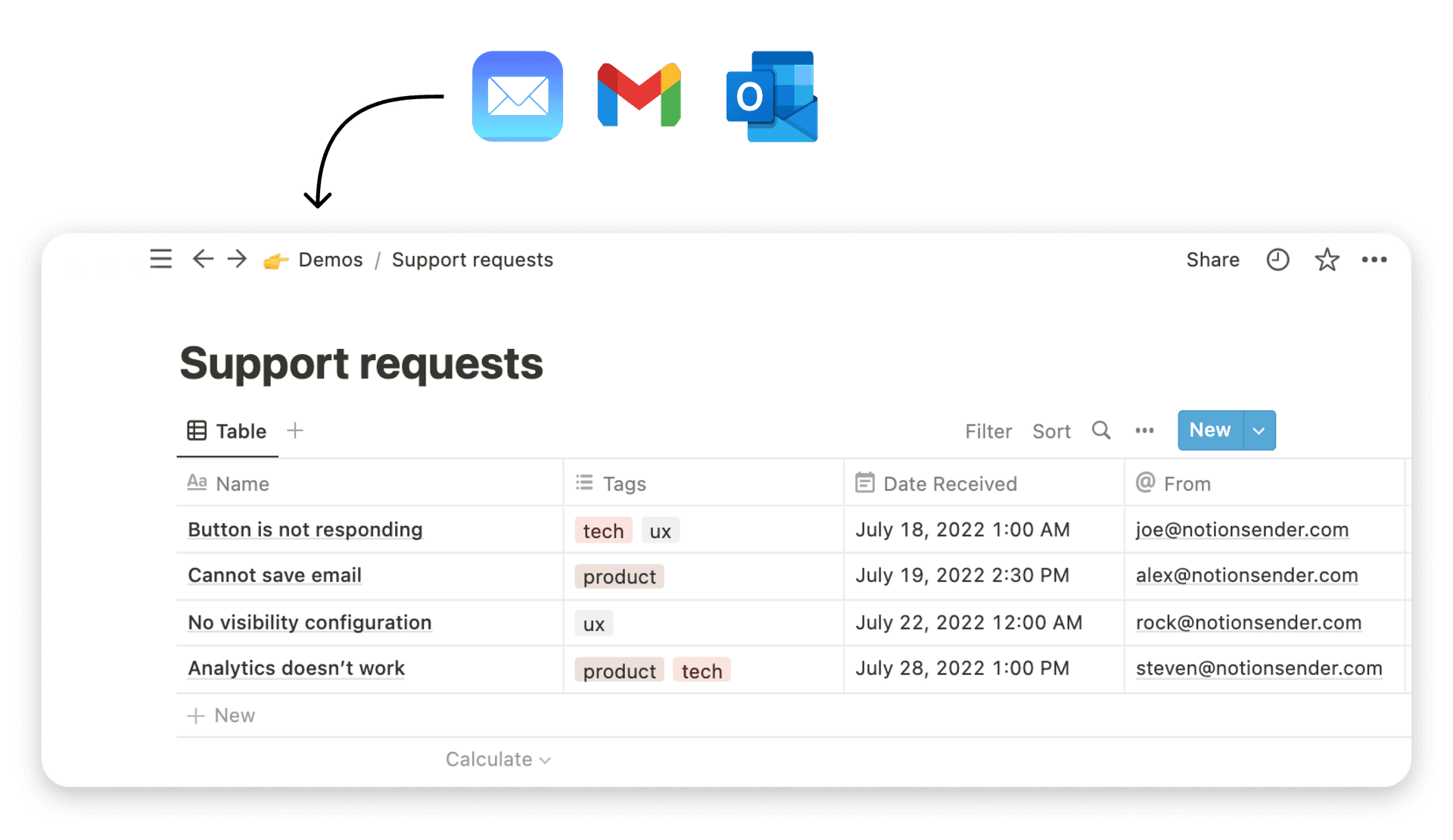
- Automate for Consistency: With NotionSender, you can create a template for these meeting follow up email examples. Connect it to your Notion meeting notes database to auto-populate the action items, saving time and preventing manual errors. Discover more techniques for crafting compelling messages and learn how to send the perfect email to get the response you want.
2. The Executive Summary Format
This meeting follow up email is crafted for brevity and impact, targeting senior stakeholders and busy executives who need high-level insights, not granular detail. It cuts through the noise to deliver the most critical outcomes: key decisions, major roadblocks, and strategic next steps. Its purpose is to inform and align leadership quickly, ensuring they remain connected to project progress without being bogged down in operational specifics.
Popularized by consulting firms and enterprise organizations, this format respects the recipient's limited time. By distilling a complex discussion into a scannable summary, you demonstrate strategic thinking and professionalism, making it ideal for board meeting recaps, quarterly business reviews, and executive steering committee communications.
Strategic Breakdown
- Why It Works: Executives value clarity and efficiency. This format provides a top-line overview that allows them to grasp the meeting's significance in seconds, making it more likely to be read and acted upon than a lengthy, detailed email.
- When to Use It: Send this email after high-stakes meetings involving leadership, such as project milestone reviews or budget allocation discussions. It is essential when you need executive buy-in or awareness on critical decisions.
- Key Benefit: It strengthens your credibility with leadership by showing you can synthesize complex information and focus on what truly matters to the business's bottom line.
Actionable Tips
- Prioritize Key Information: Start with the most important outcome or decision at the very top. Use bold formatting for key decisions, metrics, or deadlines to make them stand out.
- Use Bullet Points for Clarity: Structure the email with clear, concise bullet points under headings like "Key Decisions Made," "Action Items (High-Level)," and "Next Steps."
- Attach, Don't Embed: If detailed reports, data, or meeting minutes are necessary, attach them as separate documents. The body of the email should remain a clean, high-level summary.
- Leverage Automation: Use NotionSender to create an executive summary template. You can use expressions to automatically pull and format key highlights from your Notion meeting notes, ensuring consistent and professional communication with stakeholders every time.
3. The Video Recording + Highlights Follow-Up
In the era of remote work, this modern approach prioritizes accessibility and rich context over traditional text-only summaries. It pairs a concise email with a link to the full meeting recording, catering to different learning styles and providing an unedited source of truth. This method ensures that team members who couldn't attend, or those who want to revisit a specific detail, have complete access to the discussion as it happened.

Popularized by remote-first companies like GitLab and Zapier, this follow-up acknowledges that nuance and tone can be lost in written notes. It’s perfect for complex technical demos, distributed team all-hands meetings, or important client presentations where reviewing the exact conversation is invaluable.
Strategic Breakdown
- Why It Works: This method provides a multi-layered follow-up. The email gives a quick overview for those who just need the highlights, while the recording offers a deep dive for anyone needing full context or clarification on complex topics. It caters to both skimmers and detail-oriented team members.
- When to Use It: Ideal for virtual client demos, training sessions, important all-hands announcements, or any complex project meeting where visual and verbal cues are critical. It’s a lifesaver for teams spread across different time zones.
- Key Benefit: It eliminates ambiguity. If there's ever a dispute about what was said or agreed upon, the video recording serves as the definitive, objective record, preserving nuance that text summaries often miss.
Actionable Tips
- Create a 'Table of Contents': Don't just send a link to an hour-long video. Include timestamps in your email that highlight key decisions, demos, or discussion points, allowing recipients to jump directly to the relevant sections.
- Include a Transcript: For accessibility and searchability, link to an auto-generated transcript. This allows team members to quickly search for keywords without scrubbing through the video.
- Keep the Summary Brief: The video is the main dish. Your email summary should only contain the most critical outcomes and action items, directing the reader to the recording for more detail.
- Organize Your Recordings: Use NotionSender to create email templates that link directly to your video files stored in a Notion database. This helps you organize recordings by date, project, or attendees, creating a searchable video archive for your team.
4. The Client/Prospect Relationship Follow-Up
This email moves beyond simple task tracking to focus on nurturing a connection. It’s a personalized message designed for client meetings and sales calls, balancing professional objectives with genuine relationship-building. The goal is to show you were listening intently, understand their unique needs, and are a valuable partner, not just a vendor.
By referencing specific points from your conversation and offering value without an immediate ask, you build trust and keep the dialogue open. This approach is essential after a sales discovery call, an initial client consultation, or a project proposal meeting, where the strength of the relationship is as important as the service being offered.
Strategic Breakdown
- Why It Works: This method builds rapport and differentiates you from competitors. Personalization shows you see prospects as partners with unique challenges, not just as sales targets. Providing a helpful resource reinforces your expertise and commitment to their success.
- When to Use It: Send this within a few hours of meeting with a new prospect or an existing client to discuss a new opportunity. Its warmth and personalized touch are most effective when the memory of the conversation is still fresh.
- Key Benefit: It transforms a transactional interaction into a relational one. This shift is crucial for long-term business partnerships and can significantly increase conversion rates by fostering loyalty and trust from the very first interaction.
Actionable Tips
- Reference Specific Details: Mention a specific challenge they shared or a personal anecdote. Instead of "Great talking to you," try "I was particularly interested in the supply chain challenge you mentioned for your European distribution."
- Add Value, Don't Just Sell: Include a link to a relevant article, a case study, or a helpful tool that addresses their problem. This positions you as a helpful resource.
- Organize Client Data: Use NotionSender to connect your emails to a CRM-style database in Notion. Tag each client interaction so you can easily reference past conversations and personalize future follow-ups.
- Keep the Conversation Going: End with a clear, low-pressure next step, like "Would it be helpful to discuss this further next week?" Apply these 5 expert tips to ensure successful emails to increase your response rates.
5. The Decision Documentation Template
This is a formal, high-stakes follow-up designed to create an official record of significant decisions. More than just a summary, it serves as an audit trail, detailing not only the final decision but also the alternatives considered and the rationale behind the choice. Its primary purpose is to provide clarity, prevent future disputes, and ensure strategic alignment across the organization.
This template transforms a critical conversation into a permanent, referenceable asset. By formally documenting the 'why' behind a decision, you provide crucial context for future teams and leadership, ensuring that strategic thinking is preserved. It's essential for board meetings, technology stack selections, and major policy changes where the reasoning is just as important as the outcome.
Strategic Breakdown
- Why It Works: This email creates an unambiguous record, eliminating revisionist history and ensuring everyone understands the factors that influenced a critical choice. It's a powerful tool for governance, inspired by RACI matrix frameworks and enterprise compliance standards.
- When to Use It: Reserve this for meetings where irreversible or high-impact decisions are made. Use it after budget allocation meetings, strategic pivot discussions, or any session that sets long-term company direction.
- Key Benefit: It builds a searchable knowledge base of strategic decisions. This institutional memory is invaluable for onboarding new leaders, justifying past actions, and informing future strategic planning.
Actionable Tips
- Structure for Clarity: Organize the email with clear headings: Final Decision, Alternatives Considered, and Rationale for Decision. This makes the information scannable and easy to digest.
- Assign a Decision ID: For easy referencing, assign a unique identifier to each decision (e.g., "DEC-Q324-TechStack"). This helps in linking the decision to related projects and documents.
- Include a Review Date: Note a future date to review the decision's impact. For instance: "We will formally review the performance outcome of this decision on January 15, 2025."
- Automate Your Archive: Using NotionSender, you can create a template that automatically sends this follow-up and simultaneously adds the details to a "Decisions Database" in Notion. Use Notion relations to link decisions to specific projects, teams, and meeting notes, creating a powerful, interconnected knowledge hub.
6. The Networking/Informal Connection Follow-Up
This email is your tool for turning a brief encounter into a lasting professional relationship. Unlike task-oriented follow-ups, its purpose is to build rapport, reinforce a positive impression, and open the door for future conversations. It swaps formal agendas for genuine appreciation and personal connection.
This approach is perfect for after a coffee chat, a conference meet-up, or an informational interview. It shows you were engaged and valued the other person's time and insights, laying the groundwork for a strong professional network. The goal isn't to ask for something immediately but to nurture the connection authentically.
Strategic Breakdown
- Why It Works: This email focuses on relationship capital rather than immediate transactions. By referencing a specific point from your conversation, you demonstrate active listening and genuine interest, which makes you memorable and differentiates you from generic networkers.
- When to Use It: Send this within 48 hours of any informal meeting, coffee chat, or networking event. It's also ideal for reconnecting with a former colleague or mentor. The key is to act while the memory of the conversation is still fresh for both parties.
- Key Benefit: It humanizes your professional interactions. This approach helps build a network of allies and mentors who are invested in your success because the relationship is built on mutual respect and genuine connection, not just transactional needs.
Actionable Tips
- Reference Specifics: Don't just say "Great chatting with you." Mention a specific topic, book, or piece of advice they shared: "I really enjoyed our discussion about the future of AI in marketing, and I've already looked up the book you recommended."
- Offer Value (If Possible): If you can, provide a small piece of value in return. This could be an interesting article related to your chat or an introduction to someone else.
- Keep it Concise and Warm: Your tone should be friendly and conversational. Avoid corporate jargon and get straight to the point. The goal is to make the other person feel good about the time they spent with you. For more tips on this, explore how to send emails that make the other person smile.
- Log Your Connections: Use NotionSender to create a networking CRM in Notion. After sending your follow-up, log the person's contact details and key notes from your conversation. You can set reminders to check in periodically, ensuring no valuable connection goes cold.
7. The Team Collaboration & Alignment Follow-Up
This comprehensive follow-up is designed for internal team meetings where the main goal is aligning cross-functional efforts, solidifying brainstorming outcomes, or defining a shared strategy. Its purpose is to create a unified reference point that ensures every department and team member is working from the same playbook, minimizing silos and maximizing synergy.
<iframe width="560" height="315" src="https://www.youtube.com/embed/1162IJ0umxE" frameborder="0" allow="accelerometer; autoplay; clipboard-write; encrypted-media; gyroscope; picture-in-picture" allowfullscreen></iframe>
By centralizing decisions, dependencies, and resources, this email transforms a complex discussion into a clear, operational plan. It’s essential for product launch kickoffs, marketing and sales alignment sessions, or any initiative requiring multiple teams to move in lockstep. This is one of the most critical meeting follow up email examples for large-scale project success.
Strategic Breakdown
- Why It Works: It prevents the "telephone game" effect where information gets distorted as it passes between teams. By documenting a single, shared understanding, it guarantees consistency and clarity across the entire organization.
- When to Use It: Use after any multi-departmental meeting. This includes product roadmap planning, cross-functional project kickoffs, or company-wide transformation initiatives where alignment is paramount.
- Key Benefit: It fosters a true culture of collaboration. When dependencies are clearly mapped and everyone has access to the same information, teams can work together more effectively, anticipate needs, and resolve conflicts proactively.
Actionable Tips
- Document Key Decisions, Not Just Tasks: Beyond action items, summarize the core strategic decisions made, such as "We will prioritize the European market launch for Q4" or "Marketing will focus on top-of-funnel awareness for this campaign."
- Highlight Cross-Team Dependencies: Clearly state which tasks rely on others. For example: "Action Item: Marketing to launch social media campaign - [Marketing Team] - [Oct 15th] // Dependency: Requires final creative assets from the Design Team by Oct 10th."
- Link to a Central Hub: Embed links to shared resources like the project brief in Notion, the Figma design file, or the shared Google Drive folder. This keeps all relevant materials accessible from the email.
- Automate with a Shared Database: Using NotionSender, you can connect your follow-up email template to a shared team database in Notion. The email can automatically save meeting notes and action items, and you can create specific Notion views that filter tasks by team member, deadline, or project status for easy tracking.
8. The Feedback & Coaching Follow-Up
This specialized follow-up email is designed for sensitive, growth-oriented conversations like performance reviews, one-on-ones, or coaching sessions. It moves beyond simple task tracking to document developmental feedback and mutual commitments in a supportive, constructive manner. Its goal is to foster psychological safety while reinforcing key takeaways for personal and professional growth.
By summarizing the conversation with empathy and outlining clear, attainable development goals, this email transforms a feedback session from a potentially intimidating event into a collaborative stepping stone. This format is essential for managers, mentors, and coaches who aim to build trust and drive meaningful, long-term improvement.
Strategic Breakdown
- Why It Works: This email formalizes a supportive partnership. It documents both the feedback shared and the agreed-upon plan, ensuring the recipient feels heard and has a clear path forward. This approach, influenced by frameworks like Radical Candor, shows you care personally while also challenging directly.
- When to Use It: Send this within 24-48 hours after any one-on-one, performance review, or mentor/coaching session where developmental feedback is the primary focus.
- Key Benefit: It solidifies a culture of continuous improvement and trust. By thoughtfully documenting these conversations, you create a foundation for ongoing dialogue and demonstrate a genuine investment in the individual's success.
Actionable Tips
- Lead with Empathy: Start by thanking them for their openness and vulnerability during the conversation. Acknowledge their perspective first before reiterating feedback points.
- Reference Specifics: Instead of general statements, refer to concrete examples discussed. For instance, "I appreciated your thoughts on how we can improve client onboarding, specifically your idea about a welcome kit."
- Define Clear Development Goals: Frame next steps as collaborative goals, not just tasks. Use a structure like: Development Goal - [Specific Action] - [Support/Resources Provided].
- Maintain Confidential Records: Use NotionSender to connect your email to a private development tracking database in Notion. This allows you to maintain confidential, organized records for each team member, linking feedback sessions to their individual development plans and scheduling automated check-in reminders.
8 Meeting Follow-Up Emails Compared
| Template | 🔄 Implementation Complexity | ⚡ Resource Requirements | ⭐📊 Expected Outcomes | Ideal Use Cases | 💡 Key Advantages |
|---|---|---|---|---|---|
| The Thank You + Action Items Follow-Up | 🔄 Medium — structured bullets & assignees | ⚡ Low–Med — meeting notes, PM links (Notion) | ⭐ High — clearer accountability; 📊 improved follow-through | Project syncs, client kickoffs, sales meetings | 💡 Ensures responsibility and creates a tracking trail |
| The Executive Summary Format | 🔄 Low — concise distillation required | ⚡ Low — metrics/KPIs and attachments | ⭐ High for exec alignment; 📊 faster decision-making | Board meetings, QBRs, executive communications | 💡 Scannable format that saves busy stakeholders’ time |
| The Video Recording + Highlights Follow-Up | 🔄 Medium — record, timestamp, transcribe | ⚡ High — recording tools, storage, bandwidth | ⭐ High for context; 📊 better accessibility and reviewability | Remote standups, demos, asynchronous teams | 💡 Captures tone/context and reduces need for long write-ups |
| The Client/Prospect Relationship Follow-Up | 🔄 Medium — genuine personalization required | ⚡ Medium — CRM notes, research time | ⭐ High engagement; 📊 higher response and conversion rates | Sales calls, proposals, consulting introductions | 💡 Builds trust and differentiates from generic outreach |
| The Decision Documentation Template | 🔄 High — document alternatives, approvals, rationale | ⚡ Med–High — detailed documentation and governance tools | ⭐ High for governance; 📊 audit trail and dispute prevention | Strategy meetings, budget allocations, policy changes | 💡 Creates formal records for compliance and future review |
| The Networking/Informal Connection Follow-Up | 🔄 Low — casual tone with personal detail | ⚡ Low — brief personalization and contact tracking | ⭐ Medium — stronger relationships; 📊 long-term opportunities | Conferences, coffee chats, mentorships | 💡 Authentic, memorable engagement without pressure |
| The Team Collaboration & Alignment Follow-Up | 🔄 Med–High — aggregate inputs and dependencies | ⚡ Medium — shared docs, coordination tools | ⭐ High — cross-functional alignment; 📊 reduced duplication | Product launches, roadmap planning, cross-team kickoffs | 💡 Clarifies roles and surfaces interdependencies early |
| The Feedback & Coaching Follow-Up | 🔄 Medium — careful tone and specific examples | ⚡ Low–Med — examples, development plan, check-ins | ⭐ High for development; 📊 improved performance tracking | One-on-ones, performance reviews, coaching sessions | 💡 Balances growth-focused support with clear next steps |
Turn Your Templates into a Productivity Powerhouse with NotionSender
We've explored a comprehensive suite of meeting follow-up email examples, from the simple thank you with action items to the nuanced feedback and coaching recap. Each template serves a distinct strategic purpose: to maintain momentum, clarify responsibilities, strengthen relationships, and ensure that the valuable time spent in a meeting translates directly into tangible progress. The core lesson is clear: a generic, one-size-fits-all follow-up is a missed opportunity.
The true power of these examples lies not just in their content, but in their consistent and personalized application. Mastering the art of the follow-up email is about building a reliable system that closes the communication loop every single time, reinforcing your professionalism and attention to detail. It transforms you from a meeting participant into a proactive driver of outcomes.
From Examples to an Automated System
Having a library of well-crafted templates is the first step. The next is operationalizing them to eliminate manual effort and potential errors. This is where the real productivity gains are found. Instead of toggling between documents, your notes app, and your email client, you can create a single source of truth for all your meeting communications.
By integrating these templates into a central workspace, you can build a seamless workflow. Imagine your meeting notes automatically populating a pre-written follow-up email, complete with assigned action items and deadlines. This isn't just about saving a few minutes; it's about building a scalable process that ensures nothing falls through the cracks, whether you're managing one project or twenty.
Key Takeaways for Effective Follow-Ups
To distill the strategies from the meeting follow-up email examples we've covered, remember these core principles:
- Be Prompt: Send your follow-up within 24 hours to keep the discussion fresh and maintain momentum.
- Be Specific: Vague summaries lead to vague actions. Clearly state decisions made, list action items with assigned owners and due dates, and attach relevant documents.
- Be Personal: A touch of personalization, referencing a specific point of conversation, shows you were engaged and value the relationship.
- Be Forward-Looking: The goal of a follow-up is to set the stage for what comes next. Always define the next steps clearly.
Adopting this systematic approach ensures every meeting ends with a clear path forward. It’s a small investment of effort that pays huge dividends in project clarity, team alignment, and professional reputation. Don't just attend meetings; master their outcomes.
Ready to stop copying and pasting and start automating your communication? Build your library of meeting follow up email examples directly in your workspace and send them effortlessly with NotionSender. Transform your follow-up process from a manual chore into a powerful, automated system by visiting NotionSender to learn more.