Your Guide to Notion Dark Mode for Ultimate Productivity

Flipping on Notion dark mode is a simple, one-click change in your "Appearance" settings on any device. But this isn't just a cosmetic tweak; it's a game-changer for anyone who spends serious time in their Notion workspace.
Why Notion Dark Mode Is a Productivity Essential
If you’ve ever found yourself squinting at a bright white screen during a late-night work session, you already know the feeling. It’s draining. This is precisely where Notion’s dark mode stops being a nice-to-have feature and becomes an essential tool for anyone who lives in their digital workspace—from small business owners to freelancers.
By toning down the harsh brightness, dark mode genuinely reduces eye strain and helps sharpen your focus. The interface simply fades into the background, letting your content—the project plans, client notes, and creative ideas—truly take center stage. For deep work, a comfortable, distraction-free environment is everything.
More Than Just a Pretty Face
The move to darker interfaces isn't just a niche preference; it's a massive trend. Notion's own data shows an incredible 76.8% activation rate for dark mode among teams. With Notion now serving over 100 million users, that’s a huge number of people choosing a more comfortable viewing experience.
Why the switch? The biggest driver is comfort. A recent survey on dark mode trends found that 68.4% of users enable it specifically to reduce eye strain. You can dig into more of the numbers in these dark mode usage statistics.
To put this in perspective, here's a quick look at why so many people are making the switch.
Notion Dark Mode Benefits at a Glance
| Benefit | Key Statistic | Impact on Productivity |
|---|---|---|
| Reduced Eye Strain | 68.4% of users switch for this reason | Enables longer, more comfortable work sessions, especially in low light. |
| Improved Focus | 76.8% team adoption rate | A less distracting UI helps keep your attention on tasks and content. |
| Better Readability | - | High-contrast text on a dark background can make content easier to scan. |
| Aesthetic Consistency | - | Creates a unified look across all your apps that support a dark theme. |
For many of us, Notion isn't just an app; it's a "second brain" for organizing our entire lives and businesses. A comfortable interface makes it that much easier to spend time in this digital space without feeling fatigued.
For many professionals, Notion is a "second brain" where they organize their entire life and business. A dark, comfortable interface makes it easier to spend extended time in this digital space without feeling fatigued.
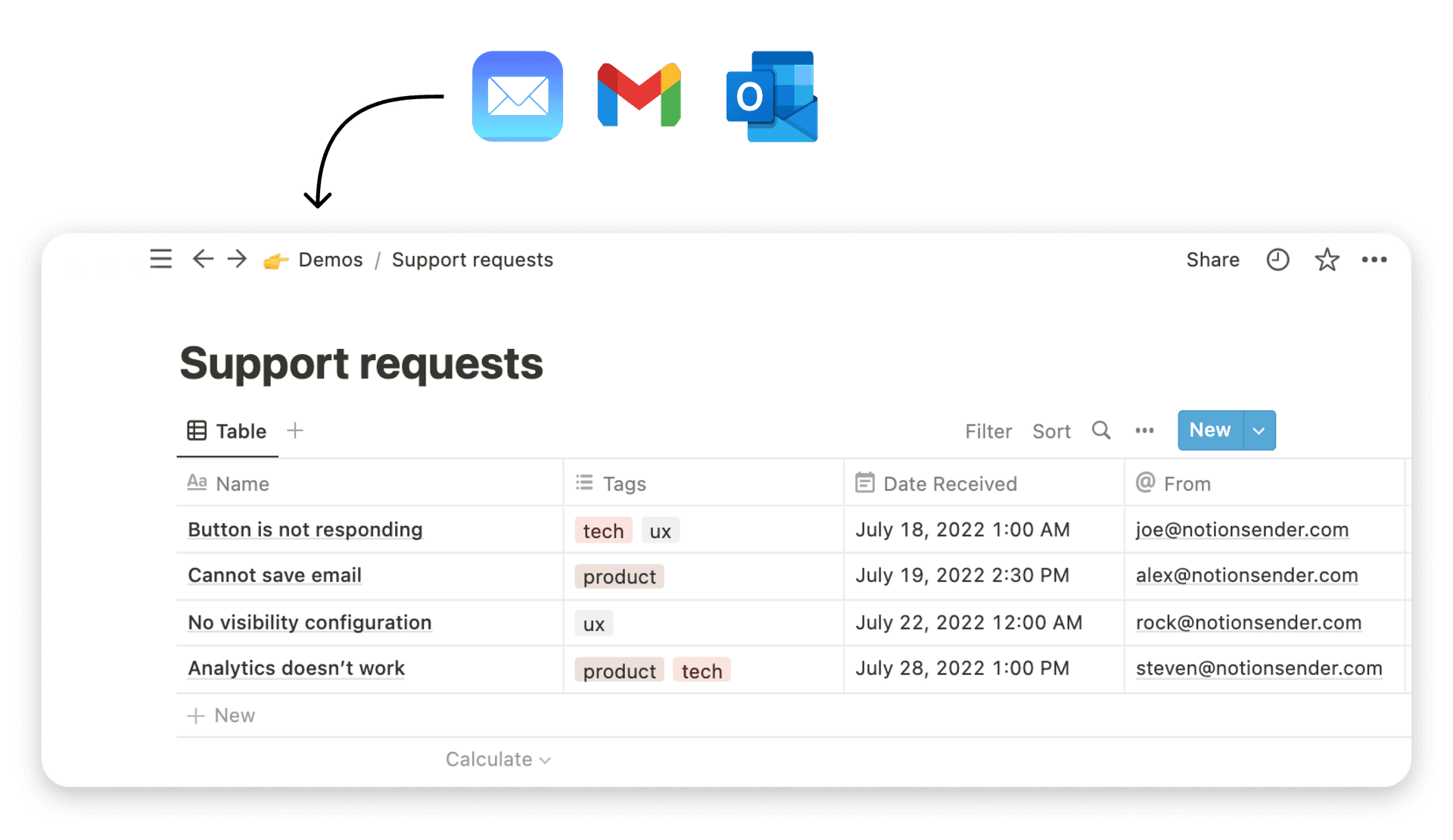
This becomes even more important when you start integrating other tools. Imagine managing your emails directly from your workspace with a tool like NotionSender. When your email system and your project boards share the same cohesive dark theme, you maintain a unified and efficient workflow without jarring visual shifts.
Streamlining your experience is one of the core principles of mastering Notion. In fact, if you're looking for more ways to optimize your setup, you'll probably find these 10 tips to help you get the most out of Notion.so really helpful.
Ultimately, adopting dark mode is a small adjustment that can have a surprisingly big impact on your daily comfort and productivity.
How to Enable Notion Dark Mode on Any Device
Ready to give your eyes a break? Flipping on Notion dark mode is a breeze. Thankfully, Notion tucked the setting in the same spot across all its apps, so you won't have to go hunting for it whether you're on your laptop or your phone.
The magic happens in the native Appearance menu. This unified approach is a real time-saver—learn it once, and you're set everywhere. No more fumbling through different menus when you switch from your Mac to your Android tablet.
The Universal Method for Web and Desktop
If you're using Notion on a Mac, Windows PC, or right in your web browser, the process is exactly the same. You can switch your entire desktop setup to dark mode in just a few seconds.
First, pop open Notion and find Settings & Members at the top of your left-hand sidebar. Give that a click, and a new menu will appear. From there, just head over to the Appearance tab.
You'll see three simple choices:
- Light: The classic, bright Notion theme.
- Dark: The high-contrast, easy-on-the-eyes theme we're after.
- Use system setting: This is my personal favorite. It lets Notion automatically mirror your computer's theme.
Go ahead and select Dark to see your workspace transform instantly. If you pick Use system setting, Notion will tag along whenever your OS switches themes, which is perfect if you have it set to go dark at sunset.
Activating on Mobile Devices
The steps are just as straightforward on iOS and Android. Open up the Notion app and tap the ≡ menu icon, which you'll usually find in the top-left corner. From that menu, navigate to Settings.
Just like on the desktop, you'll spot an Appearance option. Tapping it brings up the same three familiar choices: Light, Dark, and Use system setting. Select Dark to make the change. It's incredibly helpful for cutting down on glare when you're checking your to-do list in a dimly lit room or on the go.
This simple tweak can do wonders for your focus, comfort, and overall efficiency.

As the flow shows, a comfortable workspace is the first step toward deeper focus, which naturally leads to getting more done.
But it’s not just about comfort. For many, privacy is a big factor. It turns out 31% of project managers use dark mode specifically for screen privacy when working in public spots like a coffee shop. This ease of use has led to a huge jump in adoption, with Android dark mode use climbing from 62.1% in 2022 to 74.2% in 2023. It’s clear people are prioritizing both comfort and privacy. You can check out more fascinating Notion statistics and trends in recent reports.
Pro Tip: If you're constantly jumping between your laptop and phone, set both to "Use system setting." It's the most seamless way to keep everything visually consistent. Your Notion workspace will always match your device’s theme, no manual fiddling required.
This set-it-and-forget-it approach ensures your focus stays on your work, not on tweaking your interface. It’s a small but surprisingly powerful feature for anyone with a modern, flexible workflow.
Customizing Your Dark Mode Experience

While Notion's built-in dark mode is a fantastic starting point for easing eye strain, sometimes you want a workspace that feels uniquely yours. This is where third-party tools come in, letting you go way beyond the standard theme.
By customizing your setup, you gain fine-grained control over colors, fonts, and even spacing. This lets you build a Notion dark mode that fits your exact aesthetic and workflow needs.
Using Browser Extensions for Total Control
The easiest way to get deep customization is with browser extensions. These tools work by injecting a bit of custom code into Notion's web app, allowing you to override the default styling. Two of the best options out there are Notion Enhancer and Stylus.
-
Notion Enhancer: Think of this as an all-in-one toolkit for Notion. It comes packed with pre-built themes, font options, and other visual tweaks, making it a perfect choice if you don't want to write any code yourself.
-
Stylus: If you're comfortable with CSS and want to build a theme from the ground up, Stylus is for you. It’s a powerful extension that lets you apply custom stylesheets to any website, including Notion. You can either write your own styles or browse themes created by other users.
These tools are ideal if you find the default dark gray isn't quite dark enough, or if you want to use a specific color palette to match your personal brand or other apps you use.
One of the biggest wins with customization is creating a "true black" theme. By setting the background color to #000000, you can save a surprising amount of battery life on devices with OLED or AMOLED screens, since those displays simply turn pixels off to show pure black.
The Pros and Cons of a Custom Setup
Before you jump into a fully custom theme, it's a good idea to weigh the upsides against the potential headaches. While the level of personalization is amazing, it does come with a few trade-offs.
Potential Advantages:
- Perfect Aesthetics: Match Notion to your exact visual style, right down to specific hex codes and custom fonts.
- Improved Accessibility: Tweak font colors and sizes to dial in the perfect contrast ratio for your own eyes.
- Battery Savings: Use a true black background on OLED screens to lower power consumption.
Potential Disadvantages:
- Maintenance Required: Notion updates can occasionally break custom themes. You might have to wait for a fix or tweak your CSS yourself.
- No Mobile Support: Browser extensions only work on desktop, so your custom look won't carry over to Notion's mobile apps.
- Potential for Bugs: Since these are third-party tools, they can sometimes introduce small bugs or performance hiccups.
Ultimately, whether you customize your Notion dark mode is a personal call. If you spend most of your time in Notion on a desktop and feel constrained by the default theme, the effort can be totally worth it. But if you value a consistent look across all your devices with zero fuss, sticking with Notion’s excellent built-in option is the most reliable way to go.
Optimizing Readability and Accessibility in Dark Mode

Flipping the switch to Notion dark mode is a fantastic start for reducing eye strain, but a truly productive workspace needs to be readable, too. True clarity isn't just about the background color; it’s about how your content is presented so it's easy to scan and understand, especially when you're working late.
Without a little thought, a page can quickly become a frustrating "wall of text" in dark mode. This pretty much defeats the whole purpose of creating a more focused environment. The secret is to design with contrast and structure in mind from the get-go.
Mastering Color and Contrast
Getting your colors right is absolutely essential for readability. You might have noticed Notion’s dark theme uses a deep gray background, not pure black. This is an intentional choice to soften the harshness of bright white text. How you use Notion’s other built-in colors, however, can make or break the experience.
- Steer Clear of Saturated Colors: Bright, pure colors—think electric blue or fire-engine red text—can create a "halation" effect on a dark background. The text seems to glow and blur at the edges, which is surprisingly tiring on the eyes.
- Embrace Muted Backgrounds: When you need to highlight something in a callout block, reach for Notion's lighter, pastel background colors. The light yellow or pink backgrounds create just enough contrast to stand out without feeling jarring.
It's always a good idea to keep established accessibility guidelines for websites in mind. This helps ensure everyone on your team can comfortably use what you build. A great rule of thumb is to ask yourself: can I read this easily with just a quick glance?
Key Takeaway: For callout blocks, try using a pastel background color like
Gray,Light gray, orYellowinstead of a harsh text color likeRed. The softer contrast is significantly easier on the eyes in a dark environment.
Structuring Content for Scannability
Beyond color, the way you structure your page is everything. Long, unbroken paragraphs are a challenge in any theme, but they become especially intimidating in a dark interface. Breaking up your content is the key to making it scannable and digestible.
Here are a few techniques I use all the time:
- Use Toggles Liberally: Got a long code snippet or a bunch of secondary notes? Tuck them inside a toggle list. This keeps your main page looking clean and lets readers dig into the details only when they need to.
- Break Up Text with Headings: Use H2 and H3 headings to give your page a clear visual hierarchy. It’s like creating a roadmap for your document that guides the reader through each section.
- Leverage Bullet Points and Numbered Lists: Any time you find yourself writing a dense paragraph, see if you can convert it into a simple list. It makes the information so much easier to process quickly.
By combining thoughtful color choices with smart structural habits, you can guarantee your Notion workspace isn't just stylish—it's exceptionally clear and comfortable for everyone.
Ensuring Seamless Integration With Your Tools
<iframe width="100%" style="aspect-ratio: 16 / 9;" src="https://www.youtube.com/embed/YW0yJLD-4tw" frameborder="0" allow="autoplay; encrypted-media" allowfullscreen></iframe>
Keeping a consistent theme across all your tools isn’t just about looks—it’s about staying focused. Nothing breaks your concentration faster than switching from your dark Notion workspace to a blindingly white embedded app. Making sure your integrations play nicely with Notion dark mode is a simple but critical step for a smooth workflow.
It’s a real problem for anyone who relies on Notion as their central hub. Does that calendar you embedded have a dark theme? What about your analytics dashboard or form builder? If not, you end up with a bright white box that sticks out and constantly draws your eye.
The NotionSender Advantage
This is where tools built specifically for Notion really show their value. Take NotionSender, for example. It was designed from the ground up to feel like a native part of your workspace. Since it sends content directly into your Notion databases, there's no separate interface that can clash with your theme.
Any email content you save to a Notion page automatically adopts whatever appearance you're using, light or dark. This means the information you capture looks and feels like it belongs right where it is, helping you build a truly unified system.
If you're curious about how this can streamline your communications, check out these different ways to use Notion for sending emails. It’s all about creating a single, cohesive headquarters for your work.
Best Practices for Other Integrations
For your other tools, you’ll just need to do a quick check. The good news is that most modern web apps that support embedding also offer a dark theme. When you're thinking about adding a new integration, make its dark mode compatibility part of your evaluation.
Pro Tip: When you go to embed a tool, look through its share settings or inspect the embed code for a "theme" or "appearance" option. Some services even let you force a theme by adding a parameter to the URL, like
&theme=dark.
A quick audit of your current workspace can make a huge difference. Here’s a simple checklist to walk you through making sure all your integrated tools align with your preferred Notion dark mode setup.
Dark Mode Integration Checklist
Before you commit to a new tool, run through this quick checklist. It helps ensure every part of your Notion workspace, including third-party embeds, maintains a consistent, easy-on-the-eyes dark theme.
| Integration Type | What to Check | Pro Tip |
|---|---|---|
| Charts & Dashboards | Look for an "Appearance" or "Theme" setting in the tool's sharing options before you embed it. | Many data visualization tools (like Looker Studio) have a dedicated dark theme setting. |
| Calendars | Check if your calendar provider (e.g., Google Calendar) offers a dark mode for its web version or embeddable view. | If a native dark embed isn't available, look for third-party widgets that offer styling options. |
| Forms | See if the form builder allows for CSS customization or has pre-built dark themes. | Tools like Tally and Typeform often provide robust theme editors for their forms. |
Taking a few moments to check for dark mode support in your integrations goes a long way. These small details add up, creating a visually consistent workspace that’s far more pleasant to use. Ultimately, it helps you stay in your flow state longer without any jarring visual interruptions.
Common Questions About Notion Dark Mode
Even after you think you've nailed your Notion dark mode setup, a few head-scratchers always seem to come up. Maybe you shared a page and got a message that it looks totally different, or you're wondering if that dark theme is actually doing anything for your laptop's battery.
Let's run through some of those real-world curveballs. We'll tackle the most frequent questions with clear answers to help you get the most out of your dark Notion workspace.
Why Does My Shared Page Not Look Dark?
This one trips up a lot of people. You spend a good chunk of time crafting the perfect page, all styled for dark mode, but when you share the public link, your friend sees a bright white screen. It feels like a bug, but it's actually how Notion is designed to work.
Publicly shared pages don't lock in the theme you used to build them. They automatically adapt to whatever the viewer's system is using.
- If their device is in light mode, your page shows up in light mode.
- If their device is in dark mode, they'll see the dark version, just like you intended.
You can't force a public page to appear dark for everyone. The best way to handle this is to design with flexibility in mind. Use strong headings, clear layouts, and color choices that are readable and look sharp in both light and dark themes.
A visitor’s viewing experience is controlled by their own device settings, not the creator's. This means you should always build public pages with the assumption that they will be viewed in both light and dark modes.
Scheduling an Automatic Switch to Dark Mode
Flipping dark mode on and off manually gets old fast. The good news is you can set it and forget it by letting your device do the work. The trick is to use Notion's built-in sync feature.
Just head into Notion's Appearance settings and find the Use system setting option. This is the magic button. Once you've selected it, Notion stops having its own opinion and just follows the lead of your computer or phone.
On macOS, Windows, iOS, and Android, you can schedule your entire operating system to switch themes. Most people set it to go from light to dark at sunset or at a specific time in the evening. When your device makes the change, Notion will follow suit instantly—no extra clicks required.
Does Dark Mode Really Save Battery Life?
This is a huge topic, and the honest answer is: "it depends." The battery-saving claims are true, but it all comes down to the kind of screen you're looking at.
- OLED/AMOLED Screens: Absolutely, it saves a significant amount of battery. These screens are in most modern smartphones and some premium laptops. To show black, they simply turn off individual pixels. A dark interface means fewer pixels are drawing power, which directly cuts down on energy use.
- LCD Screens: Not really. The savings are tiny, if any. Most laptops and desktop monitors use LCDs, which have a single backlight that's always on. It shines through the pixels to create colors, and it uses almost the same amount of power whether it's showing a white background or a dark gray one.
Even if you have an LCD screen, the other big benefits of Notion dark mode—like reduced eye strain and better focus during late-night work sessions—still make it a feature worth using.
And while you're thinking about working more efficiently, why not save your important emails directly into Notion to keep all your projects and communications in one place?
Finding Alternative Official Dark Themes
So, what if you're not a fan of Notion's default dark theme? If you're hoping for something different, like a "midnight" blue or a high-contrast "solarized" look, you'll have to look outside of Notion itself.
Right now, Notion offers just one official dark theme. There are no other built-in options available, so getting a different aesthetic means turning to third-party browser extensions or community-made themes.
Ready to connect your email to your perfectly themed workspace? NotionSender allows you to send and receive emails directly within Notion, seamlessly adopting your light or dark mode settings for a unified workflow. Get started at https://www.notionsender.com.