The 12 Best Project Lists Templates for 2026 to Streamline Your Workflow

Juggling project deadlines, tracking tasks, and keeping stakeholders aligned is a constant challenge. Starting every new project with a blank slate only adds to the chaos, costing you valuable time and introducing inconsistency. The solution lies in using high-quality project lists templates. These pre-built frameworks provide the structure needed to standardize workflows, ensure no detail is missed, and get projects off the ground faster.
This guide moves beyond generic recommendations to offer a curated collection of the 12 best templates across various platforms. We cover everything from the flexible databases of Notion and Airtable to the structured boards of Asana and Trello, providing direct links and screenshots for each. You will learn the specific use cases, practical setup steps, and honest limitations of every option, helping you choose the perfect template to regain control.
For more granular control over individual tasks, exploring dedicated action item tracking template resources can offer specialized tools for follow-ups and accountability. Our focus here, however, is on the complete project picture. We've done the research so you can stop building from scratch and start managing your projects with clarity and confidence. Let's dive in.
1. Notion Template Gallery – Project Management/Project Tracker
The official Notion Template Gallery is the most direct source for finding foundational project lists templates. It serves as an excellent starting point, especially for teams already embedded in the Notion ecosystem. The gallery offers everything from simple task lists to comprehensive project management systems with linked databases, roadmaps, and issue trackers.

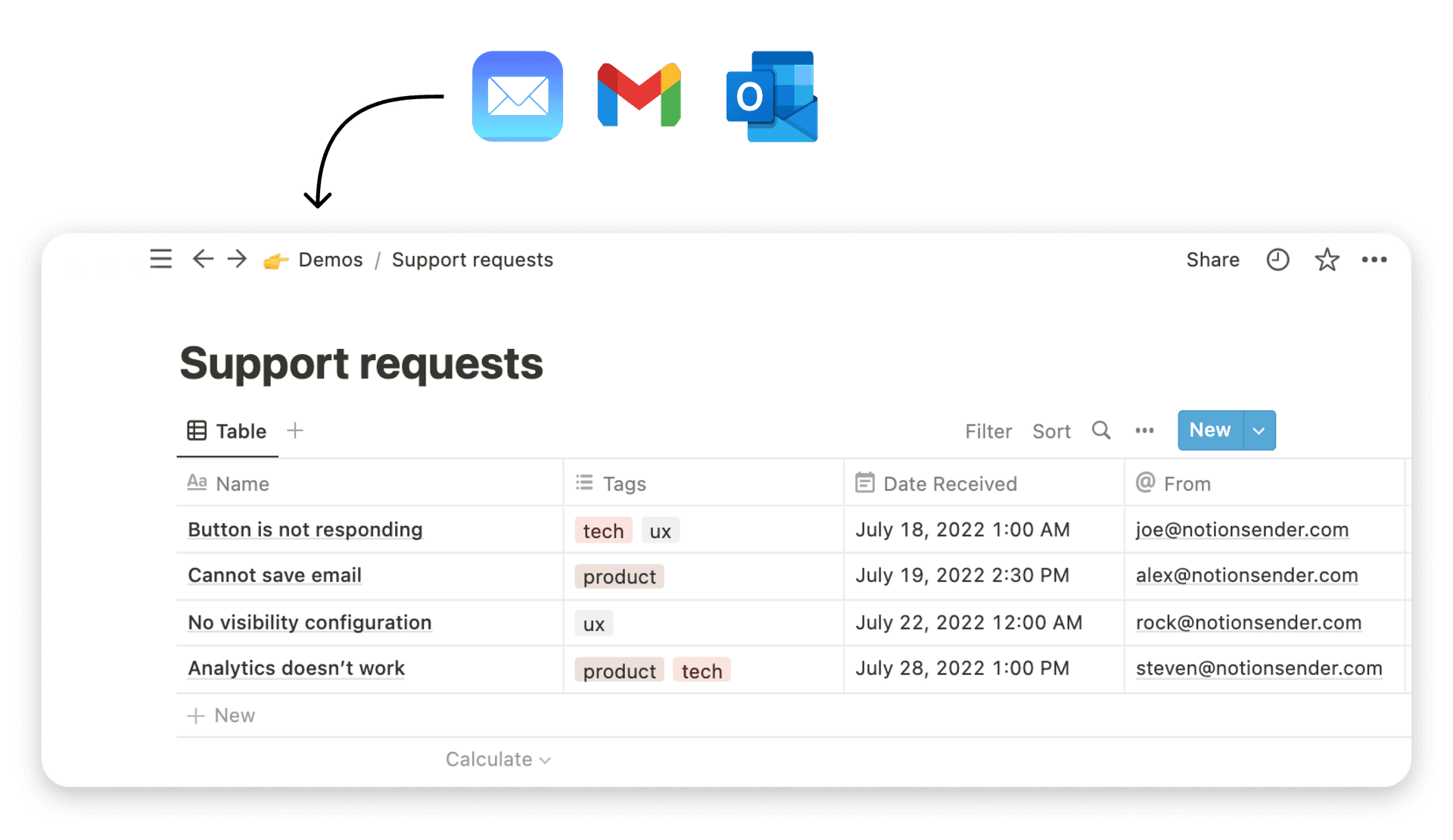
What makes it stand out is the one-click "Duplicate" functionality. You can instantly copy any template directly into your workspace, ready for immediate customization without needing any code. This seamless integration is its primary advantage over third-party template sites. You can then connect these project databases to tools like NotionSender to automatically create tasks from incoming emails, turning your inbox into a project intake channel. To get the most from these features, review some key tips for optimizing your Notion setup to learn more about how to structure your workspace effectively.
Key Details & User Experience
- Ideal Use Case: Individuals and teams who want native, highly customizable project trackers within their primary Notion workspace.
- Pricing: The gallery is free to browse, and most official and community templates are free to duplicate.
- Quality: Varies significantly. Official templates are well-built, but community submissions can be inconsistent. Always test a template before rolling it out to your team.
Visit the Notion Template Gallery
2. Asana Project & Task Templates (official)
Asana's official template library offers a structured alternative for teams seeking standardized workflows out of the box. Instead of building from scratch, users can deploy pre-configured project lists templates for common scenarios like event planning, product launches, or new hire onboarding. These templates encompass not just task lists but also timelines, Kanban boards, and calendars.

The key advantage is the inclusion of process automation directly within the templates. You can set up rules to automatically assign tasks, update statuses, or move items between project stages, ensuring consistency across every new project. Asana Forms can also be used to feed requests directly into these structured templates, creating a predictable intake system that populates your project list without manual entry. This makes it a powerful choice for teams that need to scale repeatable processes.
Key Details & User Experience
- Ideal Use Case: Teams that require repeatable, standardized project structures with built-in automation and reporting.
- Pricing: A free plan exists with basic templates. Advanced features like custom rules, portfolios, and workload management are gated behind paid tiers (starting at Premium).
- Quality: Official templates are consistently high-quality, well-designed, and integrated directly into the Asana platform for a seamless user experience.
3. Trello Templates (official gallery)
For teams seeking a visual, Kanban-style approach, Trello’s official template gallery is an excellent resource for creating project lists templates. The platform excels at providing lightweight, intuitive boards for everything from simple to-do backlogs to more structured editorial calendars and project workflows. Its strength lies in its simplicity and speed of setup.

The primary appeal is the one-click "Use template" function, which instantly creates a new board in your workspace. This makes it incredibly easy to get started without a steep learning curve. While not as database-driven as Notion, Trello boards can be enhanced with "Power-Ups," which add integrations and automation capabilities. For example, you can connect a Trello board to an email automation tool to turn incoming messages into new task cards automatically.
Key Details & User Experience
- Ideal Use Case: Teams and individuals who prefer a visual, card-based Kanban system for managing straightforward projects and task lists.
- Pricing: The template gallery is free to browse and use. Free Trello plans have limitations on Power-Ups and automations, while paid plans unlock more advanced features.
- Quality: Templates from Atlassian are well-structured and reliable. Community templates offer creative solutions but can vary in quality and practical application.
4. ClickUp Templates (List/Folder/Space)
ClickUp's built-in template center provides a powerful system for creating repeatable project lists templates at multiple organizational levels. Rather than just offering a single page, ClickUp allows you to save and deploy templates for individual lists, entire folders, or even complete spaces. This makes it ideal for standardizing complex workflows like client onboarding, multi-stage marketing campaigns, or recurring development sprints where consistency is key.

What makes ClickUp a strong contender is its ability to bundle everything within a template, including tasks, subtasks, assignees, custom fields, and specific view settings like List, Board, or Gantt. Once created, a template can be applied with a few clicks, automatically building out a structured project list with all predefined settings intact. Its robust automation engine further extends this by allowing you to trigger the creation of a list from an external event, such as a new entry in a form or a deal closing in your CRM.
Key Details & User Experience
- Ideal Use Case: Teams that need to standardize complex, multi-step projects and benefit from deep automation and multiple project views.
- Pricing: The template center is available on all plans, including the Free Forever plan. Advanced features and automation runs are limited on lower tiers.
- Quality: Official ClickUp templates are well-structured and reliable. The true strength comes from creating and refining your own templates tailored to your specific operational needs.
5. monday.com Template Center (Projects Overview, bundles)
For teams seeking a more visual and structured environment, the monday.com Template Center provides robust, board-based project lists templates. Unlike single-document templates, monday.com offers entire bundles, such as the "Projects Overview," which includes connected boards, dashboards, and pre-built automations. This approach is ideal for managing a portfolio of projects where each item on the main list is a project, not just a task.

The platform’s strength lies in its highly visual structure, which makes standardizing project pipelines straightforward. You can quickly import existing project data from Excel to get started without manual entry. This makes it a powerful option for teams that need to see high-level project status, owners, and timelines at a glance and require roll-up reporting across multiple initiatives.
Key Details & User Experience
- Ideal Use Case: Teams and managers needing a portfolio-level view of multiple projects, with visual status tracking and connected dashboards.
- Pricing: Free plan has limited templates and features. Access to multi-board template bundles and advanced automations typically requires a paid plan (Standard, Pro, or Enterprise).
- Quality: The official templates are professionally designed and well-integrated. They serve as excellent foundations for building out more complex workflows tailored to specific team needs.
Visit the monday.com Template Center
6. Airtable Project Tracker Templates
For those who need the power of a database with the usability of a spreadsheet, Airtable’s template marketplace offers a fantastic collection of project lists templates. These "bases" are more than simple lists; they are relational databases designed for tracking tasks, linking them to goals or team members, and visualizing progress. The templates cover general project tracking as well as specific verticals like marketing campaigns, bug tracking, and content calendars.

What makes Airtable stand out is its combination of a flexible data schema and powerful visualization tools. Users can switch between Grid, Kanban, Calendar, and Gantt views with a single click, providing different perspectives on the same project data. Its built-in automations also allow for creating repeatable workflows, such as notifying a stakeholder when a task's status changes. This mix of flexibility and visual reporting makes it a strong contender for teams that have outgrown basic spreadsheets.
Key Details & User Experience
- Ideal Use Case: Teams needing a highly visual and relational database to manage complex projects with interconnected data points.
- Pricing: A generous free plan is available, but record limits and access to advanced features like Interfaces and certain automations require a paid subscription.
- Quality: Official templates are well-structured and provide a solid foundation. Community-submitted templates can vary, so it's wise to review them before adoption.
7. Smartsheet Project Task/List and Plan Templates
For teams transitioning from spreadsheets, Smartsheet offers a powerful yet familiar environment. It provides a library of project lists templates that blend the accessibility of a spreadsheet with robust project management capabilities like Gantt charts, dependency tracking, and real-time status updates. The templates range from simple task lists to complex project plans with budget and resource allocation.

What makes Smartsheet distinct is its hybrid nature. You can download many templates for free to use offline in Excel or Google Sheets, allowing you to test their structure before committing. However, their true potential is unlocked within the Smartsheet platform, where they connect to live dashboards, automated alerts, and collaborative workflows. This makes it an ideal upgrade for teams hitting the limitations of traditional spreadsheets but who want to avoid a steep learning curve.
Key Details & User Experience
- Ideal Use Case: Teams migrating from Excel or Google Sheets who need more structured project tracking, reporting, and automation without abandoning a grid-based interface.
- Pricing: Many templates are free to download for offline use. Accessing the full platform with automation and dashboards requires a paid Smartsheet subscription.
- Quality: Templates are professionally built and highly functional, designed to work seamlessly within the Smartsheet ecosystem. They provide a solid foundation for serious project management.
8. Microsoft Lists (Project/Issue Tracker templates)
For teams deeply integrated into the Microsoft 365 ecosystem, Microsoft Lists provides a native and reliable solution for creating straightforward project lists templates. It offers ready-made templates for common scenarios like issue tracking, asset management, and project planning, which can be deployed instantly. The platform’s strength lies in its simplicity and deep integration with other Microsoft tools.

What makes it a practical choice is its seamless connection with Microsoft Teams, allowing teams to create, view, and manage project lists directly within their communication channels. You can set up rules and reminders for task deadlines and status changes without leaving the Teams interface. While it's not a full-featured project management tool, its ability to be extended with Power Automate for custom workflows makes it a powerful list-based backbone for Microsoft-centric organizations managing straightforward projects.
Key Details & User Experience
- Ideal Use Case: Organizations using Microsoft 365 that need a simple, native list-based tool for tracking tasks, issues, or project deliverables.
- Pricing: Included with most Microsoft 365 Business and Enterprise plans.
- Quality: Templates are functional and well-integrated but offer less visual flair or complexity than dedicated third-party tools.
9. Microsoft Planner (new Planner with templates)
For teams deeply integrated into the Microsoft 365 ecosystem, Microsoft Planner offers a familiar and accessible source for project lists templates. It presents a Kanban-style approach where users can quickly start new plans from pre-built templates for various scenarios, including project management, event planning, or simple task tracking. The platform provides multiple views like Grid, Board, Schedule, and Charts, giving teams different ways to visualize progress.

Its biggest strength is the seamless integration with Microsoft Teams and Outlook. Notifications, comments, and file attachments are all handled within the M365 environment, making it a natural choice for organizations that rely on these tools for daily communication. This built-in connectivity keeps stakeholders informed without needing to switch between different applications, consolidating project updates directly into their existing workflows.
Key Details & User Experience
- Ideal Use Case: Teams and organizations using Microsoft 365 who need a simple, integrated tool for creating standardized project lists without leaving their primary work environment.
- Pricing: Basic Planner features are included with most Microsoft 365 business subscriptions. Advanced features like dependencies and premium templates require a Project for the web or higher-tier license.
- Quality: Templates are standardized and functional, though they lack the deep customization found in platforms like Notion or Airtable. The experience is consistent but can feel restrictive for complex projects.
10. Jira Templates (Atlassian)
For teams needing more than a simple checklist, Jira's built-in templates provide a structured foundation for complex software development and business projects. Jira is the industry standard for agile teams, offering ready-made project lists templates for Scrum, Kanban, and bug tracking. These aren't just lists; they are complete systems with configurable workflows, issue types, and backlogs.

What makes Jira stand out is its powerful workflow engine, which moves tasks through predefined stages like "To Do," "In Progress," and "Done." Administrators can also create custom project templates, ensuring organization-wide consistency for recurring project types. While it offers deep functionality, its complexity means it's best suited for teams that require rigorous process control and are willing to invest time in setup and training.
Key Details & User Experience
- Ideal Use Case: Software development, IT, and agile business teams who need structured workflows, sprint planning, and backlog management.
- Pricing: Templates are included with Jira plans, which offer a free tier for up to 10 users. Paid plans scale with user count and features.
- Quality: The official templates are robust and based on established agile methodologies. The user experience can be dense for newcomers.
11. Basecamp Project Templates
For teams that need to launch consistent, repeatable projects with minimal friction, Basecamp’s built-in project lists templates are a powerful, no-nonsense solution. Instead of starting from scratch, you can pre-configure entire projects, including to-do lists, schedules, message boards, and file attachments. This is ideal for agencies, consultants, or service businesses that handle similar client onboarding or delivery processes regularly.

What makes Basecamp’s approach stand out is its focus on operational speed. You can create a new project from a template in just a few clicks, ensuring every client receives the same structured experience from day one. Templates can be built from scratch or, more practically, by saving an existing successful project as a new template. This workflow is designed to reduce administrative overhead and let teams focus on execution rather than setup.
Key Details & User Experience
- Ideal Use Case: Service businesses, agencies, and teams that manage repeatable client projects or internal processes like employee onboarding.
- Pricing: Access to templates is included with all Basecamp plans, which start at $15 per user/month.
- Quality: The quality of a template is determined entirely by the user who creates it. The tool itself is simple and reliable, but the effectiveness depends on how well you structure your initial project.
12. Coda Project Tracker Template
Coda provides a unique “doc-as-an-app” experience, positioning itself as a powerful middle ground between a simple spreadsheet and a dedicated project management suite. Its project lists templates are built as interactive documents that contain tables for projects and tasks, along with connected pages for things like team standups. This structure is ideal for teams who prefer a document-first workflow but need more structure and automation than a standard text editor can offer.

The platform’s strength lies in its flexibility. You can quickly duplicate the template and start customizing tables with formulas, conditional formatting, and buttons that trigger automations. Coda's "Packs" allow you to integrate directly with other tools like Slack or Jira, pulling data and actions right into your project list. This makes it a great choice for teams that need a central hub without committing to a more rigid, all-encompassing project management system.
Key Details & User Experience
- Ideal Use Case: Teams looking for a flexible project tracker that combines the familiarity of a document with the power of a database and light automation.
- Pricing: A free tier is available with certain limitations on document size and automations. Paid plans unlock more capacity and advanced features.
- Quality: The official templates are well-structured and serve as excellent starting points. They are designed for immediate use but are also highly extendable.
Visit the Coda Project Tracker Template
Top 12 Project List Templates Comparison
| Product | Core features | UX/Quality (★) | Price/value (💰) | Target (👥) | Unique/USP (✨🏆) |
|---|---|---|---|---|---|
| Notion Template Gallery – Project Tracker | Large filterable templates, multi-view databases, relations & rollups | ★★★★ | 💰 Mostly free to copy | 👥 Notion-first teams | ✨ One‑click duplicate; 🏆 huge community library; email-to-db friendly |
| Asana Project & Task Templates | Reusable projects, custom fields, forms, automation rules | ★★★★ | 💰 Free → Paid tiers for advanced | 👥 Ops/product teams needing structure | ✨ Built-in automations & reporting |
| Trello Templates (official gallery) | Board templates, Power‑Ups, mobile/web access | ★★★ | 💰 Free base; paid for Power‑Ups | 👥 Lightweight/Kanban teams | ✨ Rapid setup; curated inspiration |
| ClickUp Templates (List/Folder/Space) | Templates at list/folder/space level, multi‑views, automations | ★★★★ | 💰 Free → affordable paid tiers | 👥 Teams needing customization + automations | ✨ Deep config + strong automation |
| monday.com Template Center | Board & bundle templates, dashboards, import/export | ★★★★ | 💰 Paid tiers for full features | 👥 Visual/portfolio-focused teams | ✨ Multi-board bundles & dashboards |
| Airtable Project Tracker Templates | Relational bases, forms, interfaces, charts | ★★★★ | 💰 Free start; paid for advanced | 👥 Teams needing flexible schemas | ✨ Powerful relations & visualizations |
| Smartsheet Project Task/List & Plan | Spreadsheet-like plans, Gantt, alerts, dashboards | ★★★ | 💰 Many free downloads; subscription for full value | 👥 Excel migrators & planners | ✨ Familiar sheet UX + project depth |
| Microsoft Lists (Project/Issue) | Ready templates, Teams integration, rules & formatting | ★★★ | 💰 Included with M365 | 👥 Microsoft 365 organizations | ✨ Native M365 integration; Power Automate extendable |
| Microsoft Planner (templates) | Kanban/Grid/Schedule views, Teams/Outlook notifications | ★★★ | 💰 Included with M365 (paid tiers for advanced) | 👥 M365 users needing simple plans | ✨ Seamless Teams/Outlook notifications |
| Jira Templates (Atlassian) | Scrum/Kanban/backlog templates, custom project types | ★★★★ | 💰 Paid tiers for scale | 👥 Engineering/IT/agile teams | ✨ Highly configurable workflows; 🏆 enterprise agile support |
| Basecamp Project Templates | Reusable to‑dos, schedules, message boards | ★★★ | 💰 Paid subscription | 👥 Client-facing/consulting teams | ✨ Extremely quick project launch |
| Coda Project Tracker Template | Doc-as-app trackers, tables, packs & automations | ★★★★ | 💰 Free → paid for higher limits | 👥 Doc-first teams wanting custom apps | ✨ Flexible formulas + integrated standups |
Transform Your Project Management with the Right Template and Tools
We've explored a wide array of powerful project lists templates, from the highly customizable databases in Notion and Airtable to the structured, specialized environments of Jira and Asana. The central takeaway is clear: the perfect project management system isn't found, it's built. Each template serves as a robust foundation, but its true value is realized when you customize it to fit the specific cadence and complexity of your team's work.
Your choice should be guided by your operational reality. A freelance designer might find the visual simplicity of a Trello board ideal for tracking client work, while a growing software team will likely need the detailed sprint planning and issue tracking capabilities found in ClickUp or Jira templates. Don't be afraid to experiment with a few options. Most of these platforms offer free tiers or trials, allowing you to test a template's flow and functionality before committing your entire team to a new system.
Key Factors for Successful Implementation
Beyond selecting the right platform, successful adoption depends on a few critical considerations:
- Team Buy-In: A template is only effective if your team uses it consistently. Involve them in the selection process and provide clear guidance on how and when to update project lists.
- Process Standardization: Use your chosen template to create a single source of truth. Define how tasks are created, assigned, and marked as complete to eliminate confusion and ensure everyone follows the same process.
- Integration and Automation: The most effective project lists don't exist in a vacuum. Consider how your template will connect with other tools you already use, such as email, calendars, and communication apps. This is where you can save significant time.
Moreover, remember that projects are driven by communication and decisions made in meetings. Capturing those decisions is just as important as tracking the resulting tasks. For this reason, complementing your project list with an essential meeting action items template can be invaluable for ensuring every discussion leads to tangible outcomes and clear accountability.
Ultimately, the goal of adopting any of these project lists templates is to reduce administrative friction so you can focus on the work that matters. The right template, tailored to your workflow and integrated with smart automation, becomes more than just a to-do list; it evolves into the central nervous system for your projects, providing clarity, fostering collaboration, and driving progress.
Ready to bridge the gap between your email inbox and your Notion project lists? With NotionSender, you can automatically turn emails into actionable tasks in any Notion database, ensuring no request or update gets lost. Start centralizing your project communications today by trying NotionSender.