Project management deliverables examples: 9 Essential Templates for Success
Every successful project is built on a foundation of clear, well-defined deliverables. These aren't just checkboxes on a task list; they are the tangible results of your team's hard work, representing milestones, decisions, and completed work. From the initial Project Charter that green-lights an initiative to the final Closure Report that captures lessons learned, each deliverable plays a critical role in steering your project toward its goals. Understanding these key artifacts is the first step to mastering project management.
This guide breaks down 10 crucial project management deliverables examples, providing not just descriptions, but strategic insights and actionable tips for managing them effectively. We move beyond simple definitions to explore the purpose, acceptance criteria, and real-world context for each item. You’ll find replicable strategies for creating everything from a detailed Work Breakdown Structure (WBS) to a comprehensive Communication Plan.
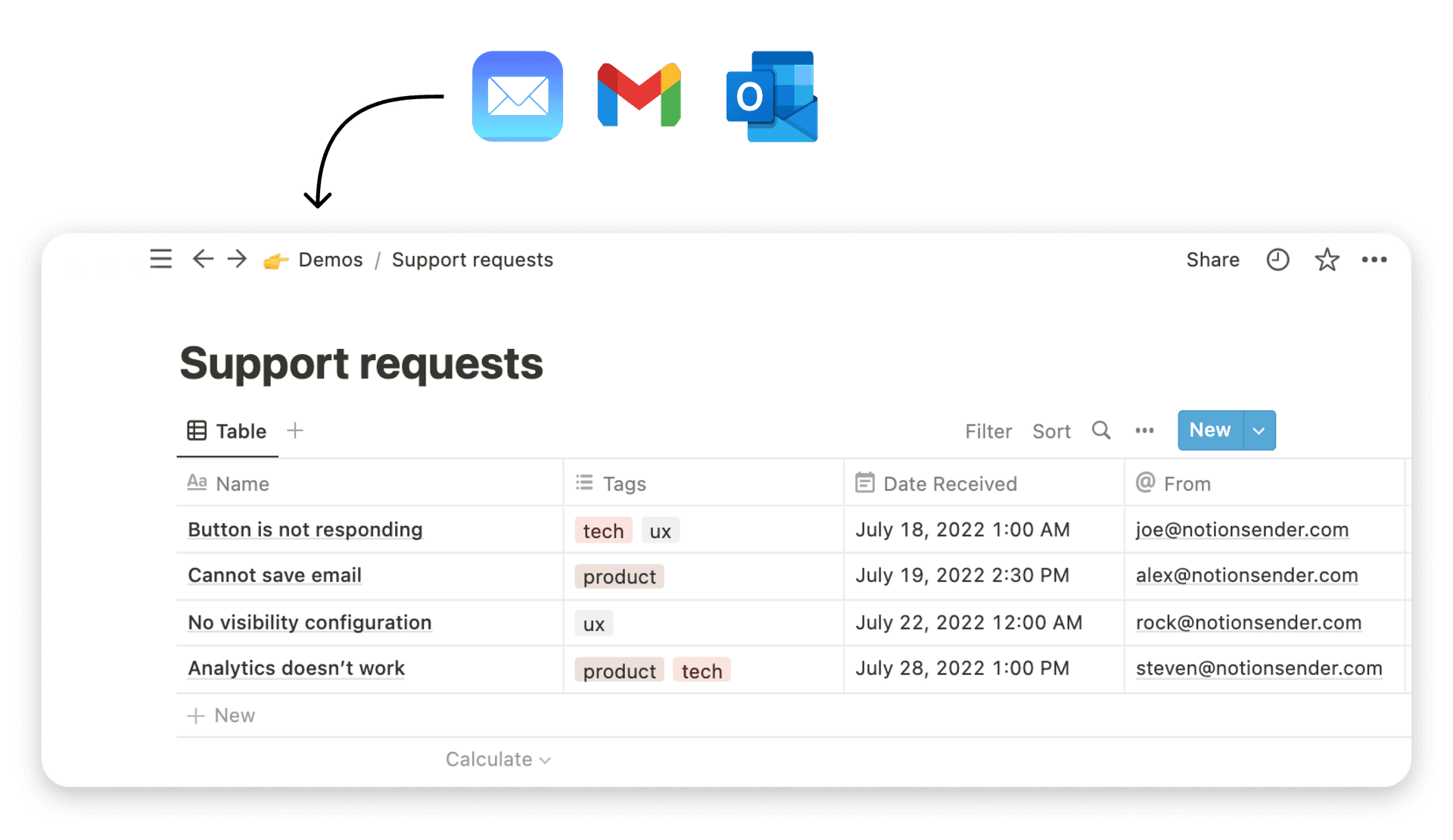
We will also explore how you can leverage powerful tools like Notion and NotionSender to create, track, and communicate these deliverables, transforming your project workflow from chaotic to controlled. While this article focuses on specific outputs, delving into effective project management strategies can provide a broader understanding of how these deliverables fit into the larger picture of successful project execution. Let's dive into the core components that turn great ideas into measurable, successful realities.
1. Project Charter
A Project Charter is a foundational document that formally authorizes a project's existence. It acts as a contract between the project team and executive leadership, defining the high-level scope, objectives, key stakeholders, and success criteria. Think of it as the project’s birth certificate and North Star combined, providing clarity and direction from day one.
Purpose and Strategic Value
The primary purpose is to secure formal approval and establish a shared understanding before significant resources are committed. It prevents scope creep by setting clear boundaries and aligns stakeholders on the project's "why." For instance, a software development charter at Microsoft would not just list features; it would articulate the business problem the software solves, its target market, and the key metrics (like user adoption or revenue) that define success.
Key Components & Acceptance Criteria
A strong charter typically includes:
- Project Purpose: A clear statement of the problem or opportunity.
- Measurable Objectives: Specific, quantifiable goals (e.g., "Increase user retention by 15% within six months").
- High-Level Scope: Major features in and, just as importantly, out of scope.
- Key Stakeholders: A list of individuals and their roles.
- High-Level Budget & Timeline: Initial estimates for resource planning.
Acceptance is straightforward: the charter is considered complete when key stakeholders, especially the project sponsor, formally sign off on it.
Real-World Context & Actionable Tips
HubSpot uses charters for major marketing campaigns to ensure the marketing, sales, and product teams are aligned on the campaign’s goals and target audience from the outset. This prevents misaligned messaging later on.
Strategic Tip: Keep the charter concise, ideally one to two pages. A lengthy document risks being ignored. Its goal is clarity, not exhaustive detail. To establish a clear foundation for your project, leveraging a robust project charter template can provide the necessary structure.
Notion & NotionSender Integration: Store your finalized charter in a central Notion project database. Use NotionSender to email the draft directly from your Notion page to stakeholders for review. This keeps all communication linked to the source document, creating a clear audit trail for approvals.
2. Project Schedule and Timeline
A Project Schedule is a dynamic deliverable that details all project tasks, milestones, dependencies, and their corresponding timelines. It serves as a visual roadmap, illustrating when work will be completed, who is responsible, and how individual tasks interconnect. This is one of the most critical project management deliverables examples for coordinating team efforts and managing stakeholder expectations.
Purpose and Strategic Value
The primary purpose of a schedule is to provide a single source of truth for the project's timing and execution plan. It enables proactive resource management, identifies potential bottlenecks before they occur, and gives stakeholders a clear view of progress. For example, a construction firm like Turner Construction relies on meticulously detailed schedules to coordinate dozens of subcontractors, material deliveries, and inspections, ensuring the project stays on track and within budget.
Key Components & Acceptance Criteria
A comprehensive project schedule includes:
- Task List: A complete breakdown of all work to be done.
- Dependencies: The relationships between tasks (e.g., Task B cannot start until Task A is complete).
- Durations & Deadlines: Estimated time for each task and hard deadlines for milestones.
- Resource Assignments: Who is responsible for each task.
- Critical Path: The sequence of tasks that determines the project's total duration.
The schedule is considered accepted when the project manager, key team leads, and the project sponsor agree that it is realistic, comprehensive, and aligns with the project charter's high-level timeline.
Real-World Context & Actionable Tips
Software development giant Atlassian uses detailed release schedules, often organized into two-week sprints, to manage complex product updates. This agile approach allows for flexibility while still providing a clear roadmap for stakeholders and development teams.
Strategic Tip: Always build a buffer (around 15-20%) into your timeline for unexpected delays. This "contingency time" is crucial for managing risks without constantly having to re-baseline your entire schedule.
<iframe width="560" height="315" src="https://www.youtube.com/embed/cGkHjby1xKM" frameborder="0" allow="accelerometer; autoplay; clipboard-write; encrypted-media; gyroscope; picture-in-picture" allowfullscreen></iframe>
Notion & NotionSender Integration: Use a Notion timeline or Gantt chart view to build and manage your schedule. Color-code tasks by owner or priority for at-a-glance clarity. Automate your communication by using NotionSender to email weekly schedule updates or send reminders one week before critical milestones directly from your Notion database, keeping everyone aligned without manual effort.
3. Scope Statement
A Scope Statement is a detailed document that outlines the project’s boundaries, deliverables, constraints, and assumptions. It builds upon the high-level information in the project charter, providing a granular definition of what is and, critically, what is not part of the project. This document serves as a foundational agreement for all stakeholders, setting clear expectations from the start.
Purpose and Strategic Value
The primary purpose of a scope statement is to prevent "scope creep," the uncontrolled expansion of project requirements. It provides a baseline for evaluating all future change requests, ensuring any adjustments are deliberate and approved. For a digital agency building a new website, the scope statement would specify the exact number of pages, specific functionalities like an e-commerce checkout, and integrations, while explicitly stating that features like a mobile app are out of scope for the current phase. This clarity protects both the client and the agency.
Key Components & Acceptance Criteria
A robust scope statement, a key project management deliverable example, typically includes:
- Project Justification: The business need the project addresses.
- Product Scope Description: Detailed characteristics of the product, service, or result.
- Project Deliverables: A list of all tangible outputs (e.g., design mockups, code repository, user manuals).
- Exclusions: A clear list of what will not be delivered.
- Constraints & Assumptions: Factors that limit the team's options (e.g., budget, technology) and things believed to be true.
Acceptance is achieved when the project sponsor and key stakeholders formally approve the document. It then becomes the official baseline for measuring project performance and managing changes.
Real-World Context & Actionable Tips
IT infrastructure projects at large enterprise companies rely heavily on scope statements to manage complex upgrades. A server migration project, for instance, would detail which specific servers and applications are being migrated, the performance benchmarks for success, and explicitly exclude non-essential systems to avoid derailing the project timeline.
Strategic Tip: Be unapologetically specific in your "Exclusions" section. Clearly stating what is out of scope is often more powerful for managing stakeholder expectations than describing what is in scope.
Notion & NotionSender Integration: Create a detailed scope statement in a Notion database. When a change request is submitted, link it to the original scope document. Use NotionSender to email the scope statement to all stakeholders for initial sign-off and to distribute any approved change control forms, ensuring everyone has the latest version.
4. Status Reports and Progress Updates
Status Reports are recurring project management deliverables examples that provide a regular snapshot of a project's health and trajectory. These communications summarize progress, highlight accomplishments, flag potential issues, and outline upcoming activities. They are the heartbeat of stakeholder communication, ensuring transparency, managing expectations, and enabling early intervention when a project veers off course.

Purpose and Strategic Value
The primary purpose of a status report is to maintain alignment and build confidence among all stakeholders, from the project team to executive sponsors. It formalizes communication, preventing misinformation and ensuring everyone operates from the same set of facts. For instance, at Google, weekly product team updates are not just a list of completed tasks; they are a strategic tool to assess progress against OKRs (Objectives and Key Results), forcing teams to constantly evaluate if their activities are driving the intended outcomes.
Key Components & Acceptance Criteria
An effective status report includes:
- Overall Project Health: A quick visual indicator (e.g., green, yellow, red traffic light system).
- Key Accomplishments: What was completed since the last report.
- Upcoming Priorities: What the team will focus on next.
- Risks, Issues, and Blockers: Any obstacles impeding progress.
- Budget & Schedule Status: A summary of where the project stands against its baseline.
Acceptance is less about a formal sign-off and more about consistent delivery and acknowledgment. The deliverable is considered complete when it is distributed to the agreed-upon stakeholder list on the scheduled cadence (e.g., every Friday at 4 PM).
Real-World Context & Actionable Tips
Salesforce utilizes monthly business reviews (MBRs) as a form of high-level status reporting to align regional sales performance with global corporate objectives. This ensures that executive leadership has a clear, consistent view of business health across all markets, allowing for strategic resource allocation. This practice underscores the report's role in informed decision-making.
Strategic Tip: Frame your status report around decisions needed. Instead of just listing a problem, clearly state the issue, its impact, a proposed solution, and the specific action required from a stakeholder. This transforms the report from a passive update into an active management tool.
Notion & NotionSender Integration: Build a "Status Reports" database in Notion using a standardized template. At the end of each week, fill out a new entry. Use NotionSender to automatically email a summary of the report or the full page directly from Notion to your stakeholder distribution list. You can learn more about how to set up this workflow for sending emails from Notion to streamline your communications.
5. Risk Register and Mitigation Plan
A Risk Register and Mitigation Plan is a critical project management deliverable that functions as a living document. It systematically identifies, analyzes, and catalogs potential risks that could negatively impact a project's timeline, budget, or scope, along with proactive strategies to address them. This document serves as a central nervous system for risk management, allowing teams to anticipate and prepare for issues rather than just react to them.
Purpose and Strategic Value
The primary purpose is to move the team from a reactive to a proactive mindset, ensuring potential threats are managed before they become crises. Strategically, it provides leadership with a clear view of project vulnerabilities and the plans in place to protect the investment. For instance, in a large-scale enterprise software implementation at Deloitte, a risk register would not just list "data migration failure" but would also detail its potential impact, probability, and the specific backup and rollback procedures in place, ensuring business continuity.
Key Components & Acceptance Criteria
A robust risk register typically includes:
- Risk Identification: A clear description of each potential risk.
- Risk Analysis: An assessment of each risk's probability (likelihood) and impact (severity).
- Risk Score: A calculated value (often probability x impact) to prioritize risks.
- Mitigation Plan: Specific actions to reduce the likelihood or impact of the risk.
- Risk Owner: The individual responsible for monitoring and acting on the risk.
Acceptance is an ongoing process. The initial register is "complete" once it has been reviewed and approved by key stakeholders during the planning phase. However, it must be continuously updated and reviewed throughout the project lifecycle to remain valid.
Real-World Context & Actionable Tips
Major construction contractors rely heavily on risk registers to manage uncertainties like material delays, safety incidents, or regulatory changes. By identifying these possibilities upfront, they can build contingency plans, such as sourcing alternative suppliers or allocating buffer time in the schedule, which is a key part of their project management deliverables examples.
Strategic Tip: Implement a simple traffic light system (Red, Amber, Green) to visually communicate risk severity. This allows stakeholders to grasp the most critical threats at a glance without getting lost in the details. Assign clear owners to each risk to ensure accountability.
Notion & NotionSender Integration: Manage your Risk Register in a Notion database with properties for probability, impact, risk score, and owner. Create a "Monthly Risk Review" view and use NotionSender to automatically email a summary of high-priority (Red) risks to the project sponsor and leadership team, ensuring consistent, high-level visibility.
6. Work Breakdown Structure (WBS)
A Work Breakdown Structure (WBS) is a key project management deliverable that hierarchically decomposes the total scope of work to be carried out by a project team. It visually breaks down a large project into smaller, more manageable components called work packages. The WBS acts as the foundation for detailed project planning, scheduling, cost estimation, and resource allocation.

Purpose and Strategic Value
The primary purpose of a WBS is to provide a comprehensive and organized view of all the work required to complete a project. It ensures that no tasks are overlooked and prevents "out of scope" work from being accidentally included. For example, NASA extensively uses detailed WBS for space missions, breaking down a mission like launching a satellite into major systems (e.g., launch vehicle, satellite, ground control) and then further decomposing those into subsystems and individual components. This ensures every piece of the complex puzzle is accounted for.
Key Components & Acceptance Criteria
A robust WBS typically includes:
- Hierarchical Levels: A tree-like structure, starting with the project's final deliverable at the top (Level 1) and progressively breaking it down into smaller work packages.
- WBS Dictionary: A companion document that provides detailed descriptions for each component, including deliverables, activities, and responsible parties.
- Unique Identifiers: A coding system (e.g., 1.1, 1.2.1) for each element to facilitate tracking and reporting.
- 100% Rule: The WBS must include 100% of the work defined by the project scope and capture all deliverables.
The WBS is considered complete and accepted when the project team and key stakeholders agree that it accurately represents the entire project scope.
Real-World Context & Actionable Tips
In a large-scale enterprise resource planning (ERP) system implementation, a WBS is crucial for organizing work across different modules like finance, HR, and supply chain. It allows different teams to work on their respective components while understanding how their work fits into the overall project.
Strategic Tip: A common rule of thumb is to decompose work until each work package represents between 8 and 80 hours of effort. This makes the task small enough to be easily managed and tracked but not so small that it creates excessive administrative overhead.
Notion & NotionSender Integration: Create a database in Notion to house your WBS, with properties for WBS codes, task descriptions, assignees, and status. When a draft is ready for review, use NotionSender to email the WBS page directly to your team leads for feedback. This keeps all comments and approvals tied to the central WBS document, ensuring a single source of truth for your project scope.
7. Budget and Cost Management Plan
A Budget and Cost Management Plan is a detailed financial blueprint that documents all estimated costs, funding sources, and spending controls for a project. This deliverable ensures financial viability by tracking expenses against the approved budget, managing resource allocation, and providing a framework for making informed financial decisions. It's the project's financial guardian, preventing overspending and ensuring every dollar is accounted for.
Purpose and Strategic Value
The core purpose is to maintain financial control and provide transparency to stakeholders. It moves beyond a simple cost estimate to a dynamic management tool. For example, a clinical trial budget at a pharmaceutical company like Pfizer wouldn't just list lab costs; it would detail patient recruitment expenses, regulatory submission fees, and data analysis costs over multiple phases, with strict variance thresholds to manage one of the most significant project management deliverables examples.
Key Components & Acceptance Criteria
A robust budget plan includes:
- Cost Baseline: The approved version of the time-phased project budget.
- Cost Estimation: Detailed breakdown of all anticipated expenses (e.g., labor, materials, equipment).
- Funding Allocation: Sources and timing of funds.
- Cost Control Procedures: Processes for managing changes and tracking variances.
- Contingency Reserves: Funds set aside for identified risks (typically 10-15%).
Acceptance is achieved when the project sponsor and finance department formally approve the cost baseline and management processes. Ongoing acceptance involves stakeholders regularly reviewing and acknowledging budget variance reports.
Real-World Context & Actionable Tips
Major film productions use highly detailed budgets that break down costs by department (e.g., cinematography, art, post-production) and shooting day. This granular tracking allows producers to make immediate adjustments, like cutting a scene or finding a less expensive location, if one area goes over budget.
Strategic Tip: Link budget line items directly to specific project deliverables or WBS elements. This creates clear traceability, showing exactly what each expenditure is meant to achieve and justifying the cost.
Notion & NotionSender Integration: Create a Notion database to track all project expenses, categorizing each by cost type and linking it to the relevant task. Use NotionSender to automate and email a weekly or bi-weekly budget variance report directly from your Notion page to key finance stakeholders, keeping everyone informed without manual effort.
8. Communication Plan
A Communication Plan is a strategic document outlining how project information will be shared with stakeholders. It details the what, when, who, and how of all project communications, ensuring everyone from the core team to executive sponsors receives the right information at the right time through the right channel. It’s the project’s central nervous system for information flow.
Purpose and Strategic Value
The primary purpose is to manage stakeholder expectations and maintain project alignment by ensuring consistent, transparent, and timely information flow. A well-executed plan prevents misinformation, reduces unnecessary status meetings, and keeps stakeholders engaged. For example, a consulting firm managing a client’s digital transformation would use a communication plan to define weekly progress reports for the client, daily stand-ups for the dev team, and monthly steering committee updates for executives, preventing silos and surprises.
Key Components & Acceptance Criteria
A robust communication plan includes:
- Stakeholder Analysis: Identifying all stakeholders and their communication needs.
- Message & Objective: What key information needs to be conveyed for each communication type.
- Frequency & Channel: How often and through what medium (e.g., email, meeting, dashboard).
- Audience: The specific recipient group for each communication.
- Owner: The person responsible for creating and sending the communication.
This deliverable is considered complete when it has been reviewed and agreed upon by the project manager and key stakeholders, particularly the project sponsor, confirming it meets their informational needs.
Real-World Context & Actionable Tips
In Agile development, the communication plan is often lightweight, manifesting as established ceremonies like daily stand-ups and bi-weekly sprint reviews. This ensures a constant, predictable rhythm of communication that keeps the entire team synchronized without heavy documentation.
Strategic Tip: Segment your stakeholders into groups based on their influence and interest. A high-influence, high-interest stakeholder (like a sponsor) requires more frequent and detailed updates than a low-influence, low-interest one. To craft messages that get results, explore how to send the perfect email to get the response you want.
Notion & NotionSender Integration: Build your communication plan as a database in Notion, with properties for audience, frequency, owner, and channel. Use NotionSender to execute your plan by scheduling recurring update emails directly from your Notion pages, automating a critical part of stakeholder management.
9. Quality Assurance and Testing Reports
Quality Assurance (QA) and Testing Reports are a series of documents that provide evidence of a project's adherence to defined quality standards. These reports capture the results of testing activities, track defects, and measure overall quality, ensuring the final deliverable is fit for its purpose. They act as a formal record, proving that rigorous validation has occurred before a product or service reaches the end-user.
Purpose and Strategic Value
The core purpose of these reports is to provide transparency into the product's stability and readiness for launch. They transform testing from a subjective check into an objective, data-driven process. For instance, at Toyota, quality checks in manufacturing are meticulously documented to identify even minor deviations, which supports their philosophy of continuous improvement (Kaizen). These project management deliverables examples are crucial for risk management, providing stakeholders with the confidence to approve a release.
Key Components & Acceptance Criteria
A comprehensive QA report typically includes:
- Test Summary: An overview of testing activities, including total test cases executed, passed, and failed.
- Defect Log: A detailed list of all identified bugs, including their severity, priority, status, and assigned developer.
- Quality Metrics: Key performance indicators like defect density or test coverage percentage.
- Test Environment Details: Information on the hardware, software, and configurations used for testing.
- Recommendations: A go/no-go recommendation for release based on the findings.
Acceptance is achieved when the number and severity of open defects fall within a pre-agreed threshold defined in the project's quality management plan.
Real-World Context & Actionable Tips
Before any major software release, Microsoft's engineering teams rely heavily on daily testing reports to gauge progress. These reports guide daily stand-up meetings, helping teams prioritize which bugs to fix before a build is pushed to the next environment. This ensures a systematic approach to stabilizing the product.
Strategic Tip: Define and agree upon defect severity and priority levels with all stakeholders before testing begins. This prevents debates over a bug's importance during the critical testing phase and ensures the team focuses on what matters most.
Notion & NotionSender Integration: Create a "Defect Tracker" database in Notion to log and manage bugs. Use NotionSender to automate the distribution of daily or weekly QA summary reports directly from a Notion page to the development team and key stakeholders. This keeps everyone informed on quality progress without manual email composition.
10. Project Closure Report and Lessons Learned
A Project Closure Report is the final formal document that marks the official end of a project. It summarizes performance against original goals, confirms final deliverables were accepted, and, most critically, captures the lessons learned throughout the project lifecycle. This deliverable serves as both an administrative conclusion and a vital tool for organizational learning, ensuring future projects benefit from past experiences.
Purpose and Strategic Value
The primary purpose is to provide a definitive record of the project's completion, performance, and outcomes. Strategically, its value lies in the "Lessons Learned" component, which transforms individual project experiences into collective organizational knowledge. For instance, post-project reviews at consulting firms like McKinsey are rigorous; they dissect what worked and what didn't in client engagement, team dynamics, and analytical approaches to refine their proprietary methodologies for the next engagement.
Key Components & Acceptance Criteria
A comprehensive closure report includes:
- Final Performance Summary: Analysis of performance against scope, schedule, and budget.
- Stakeholder Satisfaction: Confirmation that all deliverables have been formally accepted.
- Final Financials: A summary of the final project cost and variance from the budget.
- Lessons Learned: A detailed section on successes, challenges, and recommendations.
- Team Performance Review: An overview of team collaboration and effectiveness.
Acceptance is achieved when the project sponsor and key stakeholders sign off on the report, formally agreeing that the project has met its obligations and is officially closed.
Real-World Context & Actionable Tips
Spotify famously uses retrospectives for its engineering teams after each sprint, a micro-version of a lessons learned process. This agile approach ensures continuous improvement is baked into their workflow. Similarly, after-action reviews in military organizations are non-negotiable for capturing critical insights from operations to improve future training and strategy.
Strategic Tip: Conduct the lessons learned workshop within two weeks of project completion while memories are still fresh. Document specific, actionable lessons (e.g., "The weekly stakeholder update email was ineffective; switch to a 15-minute standing call for future projects") rather than vague observations.
Notion & NotionSender Integration: Build a "Lessons Learned" database in Notion and link it to your project pages. Once your closure report is finalized in Notion, you can seamlessly create and send an email directly from your Notion page to all stakeholders, ensuring the valuable insights are distributed for archival and future reference.
Top 10 Project Deliverables Comparison
| Deliverable | Implementation Complexity 🔄 | Resource Requirements ⚡ | Expected Outcomes 📊 | Ideal Use Cases 💡 | Key Advantages ⭐ |
|---|---|---|---|---|---|
| Project Charter | 🔄 Medium — stakeholder alignment & approvals | ⚡ Low–Medium: executive time, sponsor involvement | 📊 Formal authorization; scope & success criteria | 💡 Project initiation; funding/approval requests | ⭐ Legitimacy; clear purpose; scope baseline |
| Project Schedule and Timeline | 🔄 High — dependencies, critical path & updates | ⚡ Medium–High: PM time, scheduling tools, maintainance | 📊 Visibility into progress; delay detection | 💡 Complex, multi-team projects; release planning | ⭐ Predictability; milestone tracking; accountability |
| Scope Statement | 🔄 Medium — detailed inclusions/exclusions | ⚡ Low–Medium: SME input, review cycles | 📊 Defined boundaries; baseline for change control | 💡 Preventing scope creep; contractual clarity | ⭐ Sets expectations; reduces disputes |
| Status Reports & Progress Updates | 🔄 Low–Ongoing — recurring compilation | ⚡ Medium: data collection, templates, automation | 📊 Stakeholder visibility; early issue identification | 💡 Regular stakeholder communication; sprint reviews | ⭐ Transparency; informed decisions; record keeping |
| Risk Register & Mitigation Plan | 🔄 Medium–High — identification & monitoring | ⚡ Medium: workshops, owners, contingency planning | 📊 Anticipated risks; mitigation & contingency plans | 💡 High-risk, regulated, or complex projects | ⭐ Proactive mitigation; reduced uncertainty |
| Work Breakdown Structure (WBS) | 🔄 High — hierarchical decomposition | ⚡ Medium–High: team effort, estimation sessions | 📊 Complete work scope; foundation for schedule/budget | 💡 Large or complex projects needing detailed planning | ⭐ Ensures completeness; improves estimates |
| Budget & Cost Management Plan | 🔄 High — detailed estimates & controls | ⚡ High: finance expertise, tracking systems | 📊 Cost baseline; variance reports; ROI visibility | 💡 Projects with significant spend or external funding | ⭐ Prevents overruns; financial accountability |
| Communication Plan | 🔄 Medium — audience tailoring & cadence | ⚡ Low–Medium: templates, channels, scheduling | 📊 Consistent messaging; reduced misunderstandings | 💡 Multi-stakeholder projects; change initiatives | ⭐ Improved alignment; documented communications |
| Quality Assurance & Testing Reports | 🔄 Medium–High — tests, metrics & tracking | ⚡ High: testers, tools, time for verification | 📊 Defect metrics; compliance evidence; quality status | 💡 Deliverables requiring high quality or compliance | ⭐ Reduces defects; improves customer trust |
| Project Closure Report & Lessons Learned | 🔄 Low–Medium — synthesis of outcomes | ⚡ Low: time for review workshops and documentation | 📊 Final performance summary; lessons for future | 💡 Project completion; organizational learning | ⭐ Knowledge retention; continuous improvement |
From Planning to Post-Mortem: Centralizing Your Deliverables for Lasting Impact
We've journeyed through a comprehensive collection of project management deliverables examples, from the foundational Project Charter to the reflective Project Closure Report. Each of these ten artifacts represents more than just a checkbox on a project plan; they are the structural supports that prevent ambiguity, misalignment, and budget overruns. They are the tangible outputs that transform a great idea into a successfully executed reality.
The key insight is this: these documents are not isolated administrative tasks. Instead, they form an interconnected narrative of your project's lifecycle. A well-defined Scope Statement directly informs the Work Breakdown Structure, which in turn dictates the Project Schedule and Budget. The Risk Register provides crucial context for your weekly Status Reports, ensuring proactive problem-solving rather than reactive crisis management.
The Strategic Shift: From Documents to a Dynamic System
The real power isn't just in creating these deliverables, but in how you manage, connect, and leverage them. Treating them as static files buried in shared drives is a missed opportunity. The modern, efficient approach is to build a centralized, dynamic project ecosystem. This is where the strategic advantage lies.
- Single Source of Truth: Centralizing all deliverables in a workspace like Notion eliminates confusion. When a stakeholder needs to see the latest budget numbers or review the original scope, there is one definitive place to go.
- Enhanced Visibility & Transparency: A unified system provides stakeholders with real-time access to progress. This reduces the need for constant "check-in" meetings and empowers team members with the context they need to make informed decisions.
- Building Institutional Knowledge: Every Project Closure Report and Lessons Learned document becomes part of an accessible, searchable knowledge base. This ensures that valuable insights from past projects directly inform and improve future endeavors, preventing the repetition of mistakes.
By adopting this integrated approach, you elevate your project management deliverables examples from mere administrative hurdles into powerful strategic assets that drive clarity, accountability, and continuous improvement.
Actionable Next Steps to Elevate Your Workflow
Mastering this concept doesn't require a complete overhaul overnight. The path to a sophisticated project management system is incremental. Here’s how you can start today:
- Start Small: Choose just one or two deliverables from this list to formalize. If your team struggles with scope creep, focus on creating and maintaining a rigorous Scope Statement. If communication is a challenge, implement a standardized Status Report template.
- Centralize Your Next Project: For your very next project, commit to housing all its deliverables in a single, accessible location. Create a dedicated Notion database or a similar tool to act as your project headquarters.
- Automate Communication: Connect your centralized system to your primary communication channel: email. Use a tool like NotionSender to automatically generate and send status reports, updates, and notifications directly from your project workspace. This small change can save hours each week and ensure consistency.
The value of mastering these deliverables extends far beyond a single project's success. It builds a foundation for operational excellence, enabling your team to tackle more complex challenges with greater confidence and efficiency. You're not just completing tasks; you're building a reliable, repeatable engine for delivering results. This systematic approach transforms chaos into clarity, empowering your team to focus on what they do best: creating exceptional value.
Ready to bridge the gap between your project workspace and your stakeholders? NotionSender allows you to send professional, dynamic emails directly from your Notion databases, perfect for automating status reports, progress updates, and client communications. Streamline your workflow and keep everyone in the loop by visiting NotionSender to see how it works.