10 Essential Type of Newsletter Formats to Master in 2025
The right type of newsletter can transform your communication from just another email into an indispensable resource your audience eagerly awaits. But with so many options, how do you choose the format that aligns with your goals, resonates with your subscribers, and is sustainable for you to produce? Choosing the correct type of newsletter isn't just a creative decision; it's a strategic one that directly impacts open rates, engagement, and ultimately, your connection with your audience.
This guide breaks down 10 essential newsletter types, providing a clear blueprint for each one. We'll explore their strategic purpose, ideal audience, and recommended content structure, helping you move beyond generic templates. For those looking for concrete examples to fill their newsletters and guide format choices, exploring various proven newsletter content ideas can provide a powerful starting point.
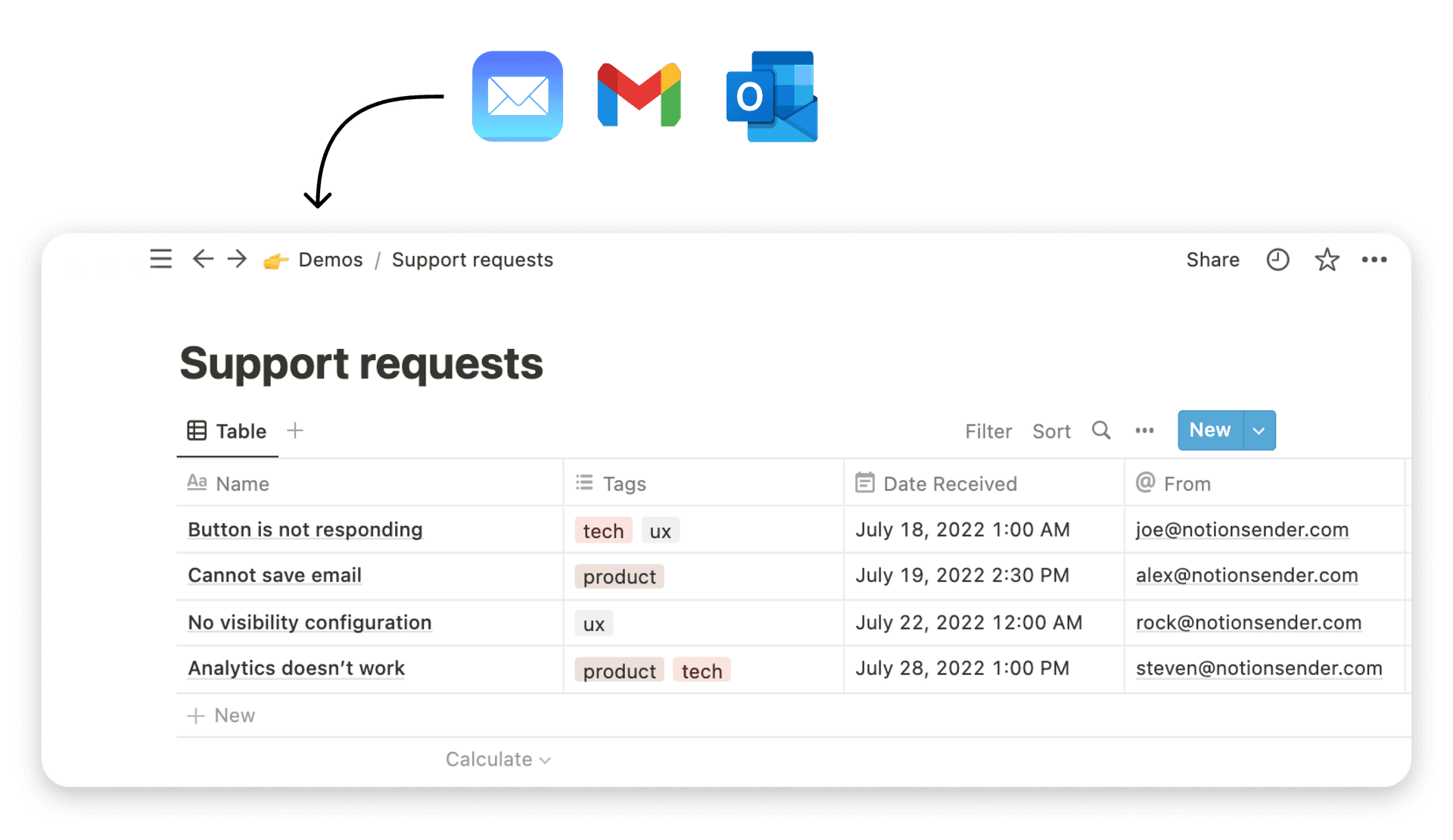
More importantly, we'll show you how to streamline the entire creation and sending process. By integrating a tool like NotionSender, you can manage content, schedule sends, and even automate data extraction directly within your Notion workspace. This approach turns a potentially complex email strategy into a manageable, efficient workflow, allowing you to focus on creating value for your subscribers.
1. Email Newsletter - Educational/How-To
An educational or how-to newsletter focuses on delivering value through knowledge, tutorials, and step-by-step guides. Instead of promoting a product directly, this type of newsletter builds trust and authority by teaching subscribers a new skill or deepening their expertise in a specific area. It positions your brand as a go-to resource, fostering a loyal audience that values your insights over a hard sell.
This approach is highly effective for nurturing leads and establishing credibility. Think of newsletters like The Hustle, which educates its audience on startup trends, or CSS-Tricks, which provides actionable web development tutorials. The core principle is to give first and ask later.
Best Practices for Educational Newsletters
To create an impactful educational newsletter, focus on clarity and actionable content.
- Structure Your Lessons: Break down complex topics into digestible, numbered steps or subheadings. A well-organized format prevents overwhelm and helps subscribers follow along.
- Include Practical Resources: Enhance learning by adding downloadable worksheets, checklists, or templates. This gives readers a tangible takeaway and a reason to save your email.
- Encourage Engagement: End your newsletter with a question or a call to action that invites replies. Creating a feedback loop makes the learning process interactive and helps you understand your audience's needs.
How to Implement with NotionSender
You can streamline this entire process using Notion. Create a database where each entry is a newsletter lesson, complete with sections for content, key takeaways, and downloadable links.
Pro Tip: Use Notion's template feature to create a consistent structure for every educational issue. This saves time and ensures a uniform, professional look for your brand.
By connecting this database to NotionSender, you can automate your educational sequence. Once you've written your content, you can schedule it to be sent weekly or monthly, creating a powerful, automated learning journey for your subscribers. For a deeper dive into this workflow, explore how to create and send email newsletters directly from Notion.
<iframe width="560" height="315" src="https://www.youtube.com/embed/ozWseKZV6Ac" frameborder="0" allow="accelerometer; autoplay; clipboard-write; encrypted-media; gyroscope; picture-in-picture" allowfullscreen></iframe>
2. Curated Content/Link Roundup Newsletter
A curated content newsletter, also known as a link roundup, saves subscribers time by aggregating the most valuable articles, tools, and resources on a specific topic. Instead of creating content from scratch, the creator acts as a trusted filter, sifting through online noise to deliver only the best finds. This type of newsletter builds authority by demonstrating expertise and an understanding of the industry landscape.
This model is powerful for establishing a brand as a central hub for information. Think of newsletters like Sidebar, which shares the five best design links daily, or The Pomp Letter, which curates key insights in the crypto space. The value lies in the editor's judgment and the time saved for the reader.
Best Practices for Curated Newsletters
To create a roundup that subscribers eagerly await, focus on quality and personal insight.
- Develop a Strong Voice: Don’t just list links. Add your own commentary on why each piece is important or what makes it stand out. This personal touch is what builds a loyal audience.
- Organize Thematically: Group links into clear categories or themes. This makes the content easier to scan and helps readers quickly find what’s most relevant to their interests.
- Mix Your Sources: Feature a blend of well-known publications and undiscovered gems. Highlighting lesser-known creators not only provides fresh content but also helps build community relationships.
How to Implement with NotionSender
Notion is the perfect tool for building a content curation machine. Create a database to act as a "swipe file," where you can easily save links, add notes, and tag them by category using a web clipper.
Pro Tip: To provide valuable insights, you must first synthesize information like an expert. Use a dedicated property in your Notion database to summarize the key takeaway of each link before you write your commentary.
Once your curated links are organized in Notion, connect the database to NotionSender. You can then pull your selected links and notes directly into an email template, schedule your weekly roundup, and send it to your audience without ever leaving your Notion workspace.
3. Personal Brand/Author Newsletter
A personal brand or author newsletter is a direct-to-reader format where creators, writers, and entrepreneurs share their unique thoughts, experiences, and insights. This type of newsletter bypasses traditional platforms to build a strong, personal connection with an audience. It’s all about creating a loyal community that values the individual's authentic voice and perspective.
This model has been popularized by platforms like Substack and has become the go-to for thought leaders like Tim Ferriss and Lenny Rachitsky (Lenny's Newsletter). The goal is to deliver unfiltered value straight from the source, building a powerful asset that the creator owns completely.
Best Practices for Personal Brand Newsletters
Success in this space hinges on authenticity and consistency. Your personality is the product.
- Share Authentic Stories: Go beyond surface-level advice. Share vulnerabilities, personal experiences, and behind-the-scenes stories that allow your readers to connect with you on a human level.
- Engage with Your Audience: Make your newsletter a two-way street. Actively encourage replies, ask questions, and respond to your readers. This fosters a true sense of community.
- Repurpose Smartly: Your newsletter content is valuable. Repurpose key insights into social media posts, blog articles, or podcast episodes to expand your reach and reinforce your message.
How to Implement with NotionSender
You can manage your personal brand newsletter directly from your digital workspace in Notion. Create a database to serve as your content calendar, with properties for topic ideas, writing status, and publish dates.
Pro Tip: Create a "Reader Feedback" view in your Notion database. When a subscriber replies with an interesting question or comment, add it to this view to spark ideas for future issues.
Once your thoughts are organized in Notion, connect it to NotionSender to schedule your posts. This creates a seamless workflow from idea to inbox, letting you focus on writing authentic content without getting bogged down by logistics. Find out more about building your system by learning how to create and send email newsletters directly from Notion.
4. News/Updates Newsletter
A news or updates newsletter is designed to deliver timely and relevant information about a specific industry, niche, or topic. Its primary goal is to keep subscribers informed of the latest developments, breaking stories, and important announcements. This type of newsletter positions your brand as a credible, on-the-pulse source of information, building a loyal readership that relies on you for their daily or weekly briefing.
This format is pioneered and perfected by media giants like Axios, Morning Brew, and TechCrunch. They master the art of delivering dense information in a highly scannable format, making it easy for busy professionals to stay ahead. The core value lies in curation and synthesis, saving readers time while providing essential insights.
Best Practices for News/Updates Newsletters
To create a must-read news newsletter, focus on clarity, credibility, and scannability.
- Use Scannable Formatting: Structure your content with bold headlines, bullet points, and short summaries. Readers should be able to grasp the key takeaways in seconds.
- Add Context and Analysis: Don't just report the facts. Explain why a development matters and what its potential impact could be. This added value sets you apart from automated news feeds.
- Establish Credibility: Accuracy is paramount. Always fact-check your information and cite your sources. Consistently delivering reliable news builds immense trust with your audience.
How to Implement with NotionSender
You can build a powerful news-gathering and distribution engine right inside Notion. Create a database to act as your content pipeline, where each entry is a news story with properties for source link, summary, analysis, and status (e.g., To Write, Ready to Send).
Pro Tip: Use Notion's Web Clipper to instantly save articles and sources to your news database. This drastically speeds up your research and curation process.
Once your stories are curated and written in Notion, connect the database to NotionSender. You can then assemble your daily or weekly issue, schedule it for the optimal time, and deliver a professional-looking news briefing directly to your subscribers' inboxes.
5. Promotional/Marketing Newsletter
A promotional or marketing newsletter is designed to drive sales and conversions by highlighting products, services, or special offers. This type of newsletter directly connects your business goals with your audience's interests, using incentives like exclusive deals, new product announcements, and limited-time discounts to encourage immediate action. It’s a powerful tool for converting subscribers into customers and fostering repeat business.
This direct approach is a staple for e-commerce and B2C brands. Think of Sephora's VIP newsletters announcing member-only sales or AppSumo's can't-miss software deal alerts. The key is to balance promotion with genuine value, ensuring subscribers feel they are getting an inside scoop rather than just another advertisement.
Best Practices for Promotional Newsletters
To create a promotional newsletter that converts without annoying subscribers, focus on relevance and value.
- Segment Your Audience: Personalize offers based on purchase history, browsing behavior, or expressed interests. A targeted promotion is far more effective than a generic blast.
- Create Urgency and Scarcity: Use clear deadlines or phrases like "limited stock" to motivate subscribers to act quickly. This psychological trigger can significantly boost click-through rates.
- Lead with Value: Frame your promotion around a benefit to the customer. Instead of just saying "15% off," explain how your product solves their problem or improves their life.
How to Implement with NotionSender
Manage your entire promotional calendar from a single Notion database. Create entries for each campaign, outlining the offer, target segment, key messaging, and UTM-tagged links.
Pro Tip: Use Notion's status property (e.g., Draft, Scheduled, Sent) and a calendar view to visualize your promotional schedule. This helps you coordinate sales and avoid sending too many offers at once.
Once your campaign content is ready in Notion, use NotionSender to schedule and send it to the right audience segment. For more ideas on getting your promotions noticed, check out these 10 email marketing tricks to increase your open rates.
6. Community/Discussion Newsletter
A community or discussion newsletter transforms a one-way broadcast into a two-way conversation, building a tribe around a shared interest or brand. This type of newsletter fosters a sense of belonging by featuring reader submissions, Q&A sections, and discussion prompts. Instead of just delivering content, it creates a space for interaction and connection among subscribers.

This model thrives on engagement, turning passive readers into active participants. Think of newsletters that highlight reader comments, like some Substack publications, or those that build on discussions from platforms like Slack or Reddit. The core goal is to make subscribers feel heard, valued, and part of something bigger.
Best Practices for Community Newsletters
To build a thriving community newsletter, prioritize interaction and member recognition.
- Feature Your Members: Spotlight reader stories, submissions, or insightful comments. This not only provides fresh content but also makes your community members feel seen and appreciated.
- Create Discussion Themes: Set a weekly or monthly topic and invite subscribers to share their thoughts. You can then curate the best responses for the next issue, creating a continuous feedback loop.
- Establish Clear Guidelines: To ensure conversations remain respectful and productive, set clear community values and moderation policies from the start.
How to Implement with NotionSender
Notion is the perfect tool for managing community interactions. Create a database to collect and organize reader submissions, questions, and discussion points. You can use tags to categorize content by theme or issue number.
Pro Tip: Set up a simple form that feeds directly into your Notion database. This makes it easy for subscribers to submit their content and for you to manage it without leaving your workspace.
By linking this database to NotionSender, you can easily pull curated submissions directly into your next newsletter draft. This workflow centralizes your community management and content creation, making it simple to build an engaging, interactive newsletter. To learn how to integrate forms, check out our guide on connecting Notion to different apps.
7. Summary/Digest Newsletter
A summary or digest newsletter gathers the most important content, updates, or data from a specific period (like a week or month) and delivers it in a single, scannable email. This type of newsletter is designed to help busy subscribers catch up on what they missed without feeling overwhelmed. It acts as a valuable service, saving them time while keeping them engaged with your platform or brand.
This model has been perfected by platforms that generate a high volume of content. Think of LinkedIn's Weekly Digest, which summarizes network activity, or Spotify Wrapped, which creates a highly personalized annual summary. The goal is to provide a high-level overview that encourages users to click through for more details on the items that interest them most.
Best Practices for Digest Newsletters
To make your digest effective, prioritize personalization and a clear hierarchy.
- Highlight Key Information: Use bold text, larger fonts, or distinct visual blocks to draw attention to the most significant updates or top-performing content.
- Personalize the Content: Whenever possible, tailor the digest to individual user activity or preferences. A personalized summary feels more relevant and is far more likely to be opened.
- Keep it Scannable: Use bullet points, short descriptions, and clear calls to action. The reader should be able to grasp the main points in just a few seconds.
How to Implement with NotionSender
You can build a powerful system for creating digest newsletters in Notion. Create a database where you log weekly highlights, popular content, or key metrics. Add tags for different categories to easily filter and sort information.
Pro Tip: Use Notion's relational database features to link to your main content calendar. This allows you to pull top-performing posts directly into your digest template automatically.
Once your digest is compiled in a Notion page, NotionSender can pull the content and send it to your subscriber list on a recurring schedule. This automates the process, ensuring your audience receives timely and relevant summaries. For more ideas on managing your email workflow, check out these 7 ways to use Notion for sending emails and more.
8. Job Board/Classifieds Newsletter
A job board or classifieds newsletter curates and delivers listings, freelance opportunities, or gigs directly to subscribers' inboxes. This type of newsletter serves as a valuable, niche-specific resource that connects talent with opportunities. Instead of broad-based job sites, it offers a handpicked selection, building a highly engaged community around a specific industry or skill set.
This model is powerful because it provides direct, tangible value to its audience. Think of newsletters like We Work Remotely or the Dribbble Jobs board, which have become essential tools for professionals in their respective fields. The core value is high-quality, relevant curation that saves subscribers time.
Best Practices for Job Board Newsletters
To create a must-read job board newsletter, focus on quality, organization, and clarity.
- Vet and Categorize Listings: Ensure every job is legitimate and relevant to your audience. Organize listings by role, location (if applicable), or seniority level to make them easy to scan.
- Include Key Details: Always include salary ranges, clear application links, and a brief company description. This transparency helps subscribers quickly assess if an opportunity is a good fit.
- Offer Sponsorship Tiers: Create a revenue stream by allowing companies to pay for featured listings. This gives them premium visibility at the top of your newsletter while keeping the core content free for subscribers.
How to Implement with NotionSender
You can manage your job board efficiently using a Notion database. Create entries for each job listing with properties for company name, role, salary, application link, and a "Status" property (e.g., Active, Expired, Featured).
Pro Tip: Use Notion’s "Filter" view to easily pull only "Active" or "Featured" listings for your next newsletter issue. This prevents sending out expired opportunities and simplifies content creation.
By connecting your database to NotionSender, you can automatically populate your email template with the latest job listings. This streamlines the process, allowing you to focus on sourcing quality opportunities rather than manual email building. To learn more about automation, see how to create and send email newsletters directly from Notion.
<iframe width="560" height="315" src="https://www.youtube.com/embed/ozWseKZV6Ac" frameborder="0" allow="accelerometer; autoplay; clipboard-write; encrypted-media; gyroscope; picture-in-picture" allowfullscreen></iframe>
9. Data/Research/Insights Newsletter
A data and research newsletter establishes your brand as an industry authority by delivering original analysis, statistics, and actionable insights. This type of newsletter goes beyond opinions, offering subscribers concrete evidence, trends, and findings. It builds immense credibility and attracts a professional audience that relies on data to make informed decisions.
This approach is perfect for B2B companies, consulting firms, and research institutions. Think of industry leaders like CB Insights, which breaks down market trends with hard data, or Pew Research Center, which provides nonpartisan reports on social issues. The goal is to become the primary source of truth in your niche.
Best Practices for Data/Research Newsletters
To create a compelling insights newsletter, prioritize transparency and visual clarity.
- Show Your Methodology: Briefly explain how you gathered and analyzed the data. Transparency builds trust and validates your findings, making your insights more credible.
- Create Compelling Visualizations: Use charts, graphs, and infographics to make complex data easy to understand. Visuals are more engaging and shareable than raw numbers.
- Provide Downloadable Assets: Offer full reports, datasets, or presentation slides as a downloadable resource. This provides immense value and encourages subscribers to save and share your work.
How to Implement with NotionSender
You can manage your entire research workflow within Notion. Create a database to track data sources, key findings, and content drafts for each newsletter issue.
Pro Tip: Use Notion’s gallery view to visually organize your charts and graphs. Add properties to tag each visualization by topic or report, making it easy to find and reuse assets for future newsletters.
Once your research is compiled and written in Notion, connect your database to NotionSender to schedule its delivery. This creates an efficient system for transforming raw data into a polished, high-authority newsletter that positions you as a leader in your field. For more ideas on organizing content, see how to create and send email newsletters directly from Notion.
10. Entertainment/Lifestyle Newsletter
An entertainment or lifestyle newsletter aims to engage subscribers through content centered on culture, trends, human interest stories, and personal inspiration. Unlike purely informational newsletters, this type focuses on building an emotional connection by entertaining and resonating with the reader's interests and aspirations. It creates a brand personality that subscribers look forward to interacting with in their inbox.
This approach is perfect for brands in media, fashion, travel, or any industry where storytelling and brand voice are paramount. Think of newsletters like theSkimm, which delivers news with a distinct personality, or Thrillist, which curates content around food and travel. The goal is to become a welcome, enjoyable part of the subscriber's routine.
Best Practices for Entertainment/Lifestyle Newsletters
To create a compelling lifestyle newsletter, focus on developing a unique voice and telling engaging stories.
- Develop a Distinct Voice: Your perspective is your biggest asset. Whether it's witty, inspirational, or quirky, a consistent tone helps you stand out and build a loyal community.
- Tell Stories, Don't Just Report: Find the human angle in every topic. Instead of listing facts about a new trend, tell the story of how it started or what it means to people.
- Use Engaging Visuals: Incorporate high-quality images, GIFs, and even video clips to make your content more dynamic and shareable. Visuals are key to conveying a specific lifestyle or aesthetic.
How to Implement with NotionSender
You can manage your entertainment content pipeline efficiently using Notion. Create a database to serve as a content calendar, with properties for topic ideas, story angles, status (e.g., "Idea," "Writing," "Ready to Send"), and publication date.
Pro Tip: Use a Notion gallery view for your content calendar to visualize your upcoming newsletters with cover images. This helps ensure a visually appealing and balanced content mix.
By linking your Notion database to NotionSender, you can automate your publishing schedule. Write and design your newsletters directly in Notion, and NotionSender will handle the delivery, allowing you to focus on creating the high-quality, entertaining content your audience loves. Learn more about streamlining your workflow by exploring how to create and send email newsletters directly from Notion.
10 Newsletter Types: Side-by-Side Comparison
| Newsletter Type | Implementation Complexity 🔄 | Resources & Speed ⚡ | Expected Outcomes ⭐ / 📊 | Ideal Use Cases & Tips 💡 | Key Advantages ⭐ |
|---|---|---|---|---|---|
| Email Newsletter - Educational/How-To | High — curriculum design, structured lessons, review workflows 🔄 | High resources; slower production cycles for quality ⚡ | Builds authority; deep engagement; long-term evergreen value ⭐📊 | Skill training, onboarding, course previews; break topics into steps 💡 | Positions sender as expert; highly referenceable ⭐ |
| Curated Content / Link Roundup | Low–moderate — selection + concise annotation workflow 🔄 | Low resources; fast weekly cadence possible ⚡ | Time-saving value for readers; consistent engagement; network growth ⭐📊 | Niche discovery, weekly industry roundups; add commentary for context 💡 | Low cost to produce; scalable; curator credibility ⭐ |
| Personal Brand / Author Newsletter | Moderate — consistent voice, storytelling, schedule discipline 🔄 | Low–moderate resources; flexible cadence ⚡ | Strong loyalty; direct monetization potential; platform independence ⭐📊 | Thought leadership, audience building, repurposing content; be authentic 💡 | Direct reader relationship; high engagement and monetization ⭐ |
| News / Updates Newsletter | High — rapid verification, editorial ops, real-time workflows 🔄 | High resources; fast/real-time delivery required ⚡ | Habit-forming readership; high short-term engagement; ad potential ⭐📊 | Breaking industry news, daily briefings; use scannable formats and sources 💡 | Topical authority; strong sponsorship/ads appeal ⭐ |
| Promotional / Marketing Newsletter | Moderate — campaign planning, segmentation, CTA testing 🔄 | Moderate resources; frequent sends and automation possible ⚡ | Direct sales and measurable ROI; high conversion when targeted ⭐📊 | E‑commerce launches, retention campaigns; lead with value then CTA 💡 | Direct revenue generation; measurable ROI and testing opportunities ⭐ |
| Community / Discussion Newsletter | Moderate–high — moderation, curation, engagement systems 🔄 | Moderate resources; ongoing management and moderation ⚡ | High retention; user-generated content; strong word-of-mouth growth ⭐📊 | Member Q&A, spotlights, discussion prompts; set clear guidelines 💡 | Deep loyalty; UGC and network effects increase value ⭐ |
| Summary / Digest Newsletter | Low–moderate — aggregation and clear summarization workflow 🔄 | Low resources; periodic (weekly/monthly) and quick to produce ⚡ | Re-engagement; time-saving summaries; drives traffic back to platform ⭐📊 | Weekly recaps, product/platform summaries; highlight standout items 💡 | Efficient to produce; reduces information overload for readers ⭐ |
| Job Board / Classifieds Newsletter | Moderate — vetting listings, categorization, sponsor ops 🔄 | Moderate resources; depends on listing flow and partnerships ⚡ | High CTRs; strong monetization via postings and sponsorships ⭐📊 | Niche hiring, freelance gigs; vet listings and show salary ranges 💡 | Clear marketplace value; multiple monetization paths ⭐ |
| Data / Research / Insights Newsletter | High — research methodology, analysis, and quality control 🔄 | High resources; slower cadence; requires data expertise ⚡ | Thought leadership; citations; premium pricing and PR value ⭐📊 | B2B insights, benchmarking, executive briefs; show methodology transparently 💡 | High credibility; attracts high-value audience and citations ⭐ |
| Entertainment / Lifestyle Newsletter | Moderate — storytelling, creative curation, visual design 🔄 | Low–moderate resources; flexible cadence; multimedia friendly ⚡ | High engagement and shareability; strong brand affinity ⭐📊 | Culture trends, human interest, brand storytelling; develop distinct voice 💡 | Emotional engagement; viral potential and sponsorship opportunities ⭐ |
From Strategy to Send: Activating Your Newsletter Plan
Navigating the diverse landscape of newsletter types can feel overwhelming, but as we've explored, the key lies in aligning your choice with your strategic goals and audience needs. We've journeyed through ten distinct formats, from the knowledge-rich Educational Newsletter to the community-centric Discussion Newsletter and the data-packed Research Digest. Each type of newsletter serves a unique purpose, and understanding their individual strengths is the foundational step toward building a powerful email communication channel.
The most critical takeaway is that there is no single "best" option. The right choice is a strategic one, determined by what you want to achieve. A personal brand might thrive with an author-led newsletter that builds a deep, personal connection, while a SaaS company will find more value in a structured product updates newsletter to drive feature adoption and reduce churn. The secret to success isn't just picking a format; it's about committing to the one that you can execute with consistency and quality.
Bridging the Gap Between Concept and Execution
The true challenge often begins after the initial decision. A brilliant idea for a curated content newsletter can quickly fizzle out without a sustainable system for gathering links, writing commentary, and scheduling sends. This is where your operational workflow becomes as important as your content strategy itself. An efficient process is what transforms a good idea into a reliable, valuable asset for your business.
To make your chosen newsletter strategy a reality, consider these actionable next steps:
- Define Your Primary Goal: Before anything else, clarify your "why." Are you trying to drive sales, build brand authority, increase user engagement, or foster a community? Your answer will immediately narrow down the most suitable newsletter types.
- Map Your Resources: Be realistic about the time and effort you can commit. A weekly data and insights newsletter requires significant research, while a monthly curated digest might be more manageable for a small team. Choose a format that aligns with your available resources to avoid burnout.
- Create a Centralized Content Hub: This is a non-negotiable for consistency. Use a tool like Notion to build a simple database to act as your content calendar and drafting space. This hub allows you to plan topics, save resources, write drafts, and track publication dates, ensuring you never have to scramble for content ideas at the last minute.
Ultimately, mastering the different types of newsletters is about more than just sending emails. It's about building a predictable, valuable line of communication that strengthens your relationship with your audience. By moving from a theoretical understanding to a practical, systemized approach, you create a powerful engine for growth, engagement, and long-term loyalty. The right newsletter, delivered consistently, becomes an indispensable part of your brand's voice and a welcome presence in your subscribers' inboxes.
Ready to turn your newsletter strategy into a seamless, automated workflow? Stop juggling tabs and start managing your entire email process from your favorite workspace. See how NotionSender can help you draft, schedule, and send any type of newsletter directly from Notion by visiting NotionSender today.