Types of Newsletters: 7 Proven Formats to Engage Subscribers
Email newsletters are far more than a simple marketing channel; they are a direct line to your most dedicated audience members, from customers and clients to community supporters. The challenge isn't just sending emails, it's sending the right kind of emails. With so many formats available, how do you choose the one that builds authentic community, drives revenue, and keeps subscribers eagerly anticipating your next send? A promotional email serves a different purpose than a community update, and understanding these distinctions is key to building a successful strategy.
This guide is designed to provide that clarity. We will break down the 10 essential types of newsletters, offering a strategic blueprint for each one. You will learn about their specific goals, ideal audiences, and optimal send frequencies. We'll also provide actionable tips for implementation, including how to manage your content workflow with tools like NotionSender. To help you craft compelling content for your chosen format, learning how to write effective newsletters is essential.
By the end of this comprehensive list, you'll have a clear understanding of which newsletter type aligns perfectly with your business objectives. You'll be equipped to execute it flawlessly, ensuring your message not only lands in the inbox but truly resonates with your readers. Let's dive into the models that work.
1. News Digest / Curated News Newsletter
The news digest, or curated content newsletter, is one of the most popular types of newsletters because it provides immense value with a simple premise: saving subscribers time. Instead of readers sifting through endless articles, you act as a trusted filter, aggregating and summarizing the most important stories within a specific industry or niche. This positions you as an expert and builds a loyal audience that relies on your insights.

This model, popularized by giants like The Morning Brew and Axios, excels at keeping professionals informed without overwhelming them. It's a powerful tool for building a community around shared interests, whether that's technology, finance, marketing, or creative arts.
Key Details & Best Practices
- Primary Goal: To become the go-to source for industry news and insights, saving subscribers time and effort.
- Best For: Thought leaders, media companies, and brands looking to establish authority in a specific niche.
- Suggested Frequency: Daily or weekly, depending on the volume of news in your industry.
- Key Metrics: Open rate, click-through rate (CTR), and subscriber growth. A high CTR indicates your content choices are resonating with your audience.
How to Implement This Newsletter Type
To succeed, you must add your unique voice. Don't just copy and paste links. Add a brief, insightful commentary to each story, explaining why it matters. Keep summaries concise, use clear headlines, and consider a "must-read" section to highlight the single most important article.
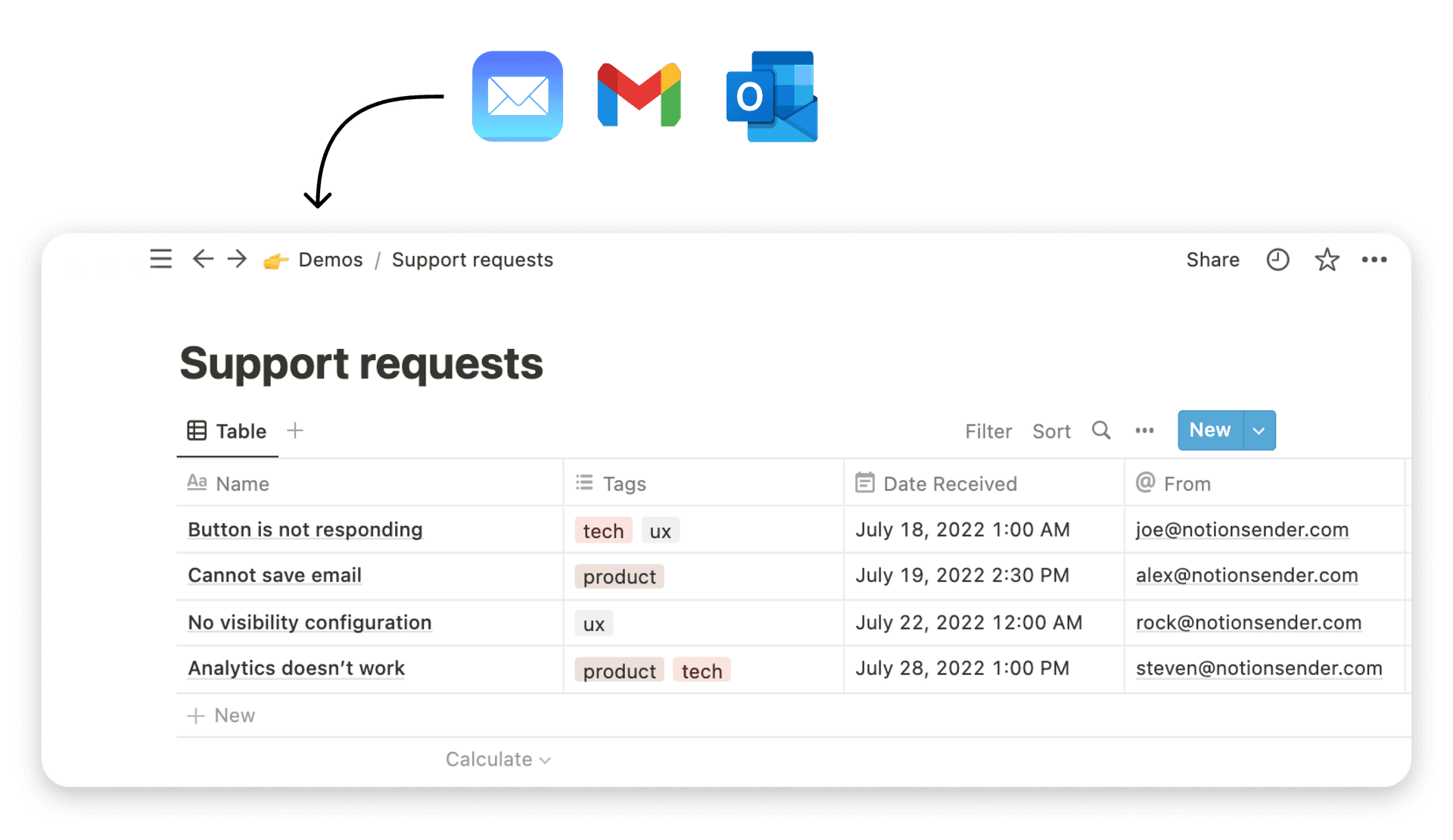
You can streamline this process using a tool like NotionSender. Create a database in Notion to act as your content library. Use Notion’s Web Clipper to save interesting articles throughout the week, add your commentary, and tag them by topic. When it's time to write, you can easily drag and drop these curated pieces into your newsletter template, automating a significant part of the creation process.
2. Educational / How-To Newsletter
The educational newsletter focuses on teaching subscribers a specific skill or concept, transforming your inbox into a classroom. This is one of the most powerful types of newsletters for building deep trust and establishing genuine expertise. Instead of just sharing news, you provide actionable lessons, tutorials, and guides that empower your audience, making your content indispensable.
<iframe width="560" height="315" src="https of newsletters-digital-workspace.jpg)
This model, championed by educators like Ali Abdaal and course creators like Copy Hackers, positions you as a mentor. It’s perfect for creating a loyal following that sees tangible value in every email, whether you're teaching coding, writing, or financial literacy.
Key Details & Best Practices
- Primary Goal: To educate subscribers, build authority, and nurture leads for courses, products, or services.
- Best For: Experts, coaches, course creators, and SaaS companies with a learning curve.
- Suggested Frequency: Weekly or bi-weekly, allowing subscribers time to digest and apply the lessons.
- Key Metrics: Engagement rate (replies, clicks on resources), course/product conversions, and subscriber feedback. High engagement signals your content is valuable and effective.
How to Implement This Newsletter Type
Structure your content as a series or mini-course to keep subscribers coming back for the next lesson. Break down complex topics into digestible steps, use plenty of visuals, and include real-world examples or case studies. Encourage interaction by asking readers to reply with questions or share their progress.
NotionSender is ideal for managing this. You can create a database in Notion to outline an entire educational series, with each page representing a future newsletter. Draft your lessons, embed visuals, and link to downloadable templates. When it's time to send, you can easily pull the finished lesson into your email, ensuring a consistent and high-quality learning experience for your audience.
3. Personal Essay / Thought Leadership Newsletter
The personal essay, or thought leadership newsletter, is a powerful type of newsletter built on original, long-form content. Instead of curating news, you create it, sharing your unique insights, personal stories, and deep reflections on topics you're passionate about. This model fosters a deep, personal connection with your audience, who subscribe not just for information but for your specific voice and perspective.
This approach, popularized by influential thinkers like James Clear (3-2-1 Newsletter) and Ben Thompson (Stratechery), positions the author as a trusted expert and guide. By sharing vulnerability and authentic ideas, you build a loyal community that values your intellectual and emotional contributions, making it an excellent format for writers, consultants, and solo entrepreneurs.
Key Details & Best Practices
- Primary Goal: To build a deep, personal connection with an audience and establish authority through original, insightful content.
- Best For: Solo creators, consultants, authors, and experts who want to build a personal brand.
- Suggested Frequency: Weekly or bi-weekly, as this format requires significant time for deep thinking and writing.
- Key Metrics: Subscriber engagement (replies and feedback), subscriber-to-paid conversion rate (if monetized), and overall audience loyalty.
How to Implement This Newsletter Type
Success hinges on developing a distinct and authentic voice. Don’t just report on topics; find your unique angle and share personal stories that illustrate your points. Focus on creating timeless, evergreen content rather than chasing fleeting trends. This will ensure your essays remain valuable for years to come.
To manage your ideas, you can use NotionSender to create a "Digital Garden" in Notion. Set up databases to capture fleeting thoughts, article outlines, and personal anecdotes. As you develop these seeds of ideas, you can link them together, form them into coherent essays, and then seamlessly transfer your finished piece into your newsletter template, keeping your creative workflow organized and efficient.
4. Product Updates / Changelog Newsletter
The product update, or changelog newsletter, is a critical communication tool for software and SaaS companies. It informs users about new features, improvements, and bug fixes, transforming a simple log of changes into an engagement opportunity. This type of newsletter keeps your user base informed about the product's evolution, encouraging the adoption of new functionalities and reinforcing the value of their subscription.
This model, expertly used by companies like Slack, Figma, and Notion, does more than just announce updates. It educates users on how to get more out of the product, demonstrates continuous improvement, and can reduce churn by showcasing ongoing development and responsiveness to user feedback.
Key Details & Best Practices
- Primary Goal: To drive adoption of new features, reduce churn by showing product momentum, and gather user feedback.
- Best For: SaaS companies, software developers, and any business with a digital product that evolves over time.
- Suggested Frequency: Monthly or quarterly, or timed with major feature releases to avoid overwhelming users.
- Key Metrics: Feature adoption rate, click-through rate (CTR) on links to new features, and user feedback volume.
How to Implement This Newsletter Type
Focus on the "why" behind each update, not just the "what." Explain the user benefit of each new feature with clear use cases. Use visuals like GIFs or short videos to demonstrate functionality, as this is far more engaging than text alone. Segment your list to send relevant updates; for example, a power-user feature shouldn't be the headline for new customers.
You can manage this process efficiently within your existing workflow. By using Notion to track your product roadmap and changelog, you can easily turn your development notes into a polished newsletter. You can learn more about how to create and send emails directly from Notion, which simplifies converting your internal release notes into a customer-facing announcement. This keeps your communication consistent and timely.
5. Community / Members-Only Newsletter
The community or members-only newsletter is a powerful tool for fostering a sense of exclusivity and belonging. This type of newsletter offers unique content to a specific group, such as paid subscribers or members of a private community. It transforms passive readers into active participants by providing behind-the-scenes insights, early access, and exclusive benefits that aren't available to the general public.
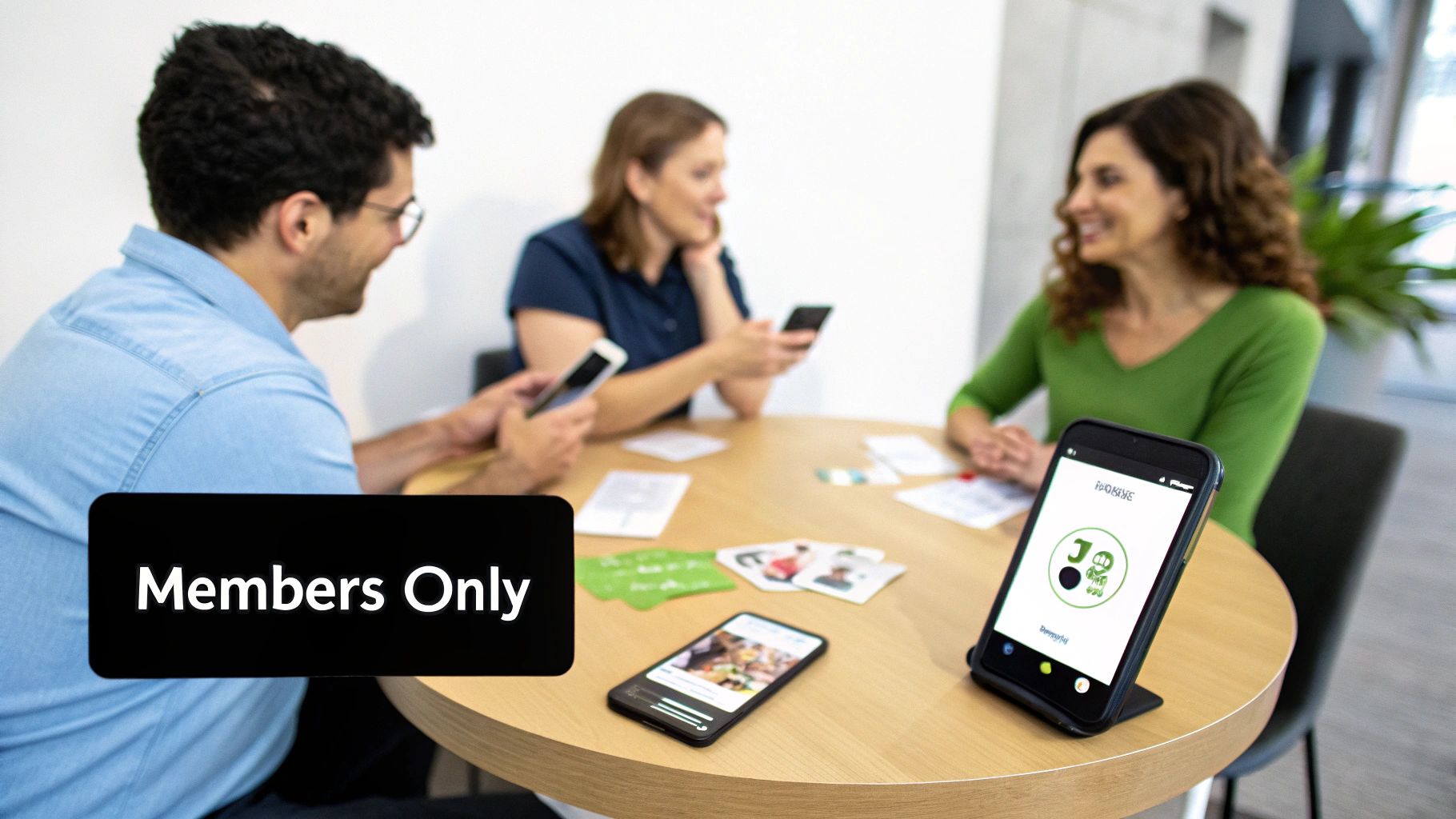
This model, popularized by platforms like Patreon and Substack, is fundamental for creators and brands building a direct relationship with their biggest supporters. By putting valuable content behind a membership wall, you create a direct revenue stream while strengthening the bond with your most loyal followers, making it one of the most sustainable types of newsletters for monetization.
Key Details & Best Practices
- Primary Goal: To build a loyal, engaged community by delivering exclusive value and fostering a sense of belonging.
- Best For: Creators, niche communities, membership-based businesses, and brands with a highly dedicated following.
- Suggested Frequency: Weekly or bi-weekly, to consistently deliver value and maintain engagement without overwhelming members.
- Key Metrics: Churn rate, member growth, and engagement rate within the community platform (e.g., replies, likes).
How to Implement This Newsletter Type
Success hinges on delivering undeniable value that justifies the membership cost. Include member spotlights, exclusive Q&A sessions, or early access to products. The goal is to make subscribers feel like insiders. Foster interaction by asking questions and encouraging replies, creating a two-way conversation.
You can manage this entire workflow within Notion. Create a dedicated database for member-exclusive content, another for member spotlights, and a third for upcoming event ideas. Using NotionSender, you can segment your audience to ensure only paying members receive these exclusive emails. Explore our guide on 7 ways to use Notion for email to streamline your private communications and content scheduling.
6. Industry Report / Data-Driven Newsletter
An industry report or data-driven newsletter establishes ultimate authority by providing subscribers with original research, deep analysis, and proprietary insights. Instead of curating others' content, you become the primary source. This is one of the most powerful types of newsletters for building credibility, as it offers unique value that cannot be found anywhere else.

This model, championed by organizations like McKinsey, Gartner, and HubSpot, transforms raw data into compelling narratives and actionable trends. By conducting your own surveys or analyzing market data, you create an invaluable resource that attracts high-quality leads and earns media attention.
Key Details & Best Practices
- Primary Goal: To become a trusted authority and indispensable resource by providing exclusive data and research.
- Best For: B2B companies, research firms, SaaS businesses, and consultants aiming to own a specific data-centric narrative in their industry.
- Suggested Frequency: Monthly, quarterly, or annually, due to the significant effort required to produce original research.
- Key Metrics: Lead generation (downloads of full reports), media mentions, subscriber engagement, and shares.
How to Implement This Newsletter Type
The key to a successful data-driven newsletter is storytelling. Present findings with compelling visuals like charts and infographics, and always explain the "so what" behind the numbers. Offer a high-level summary in the newsletter and link to a more detailed, downloadable report to capture leads. Be transparent about your methodology to build trust.
You can manage this entire workflow with NotionSender. Create a Notion database to track your research projects, store survey data, and draft your analysis. When the report is ready, create your newsletter template, embedding key charts and linking to the full PDF. This keeps your research, writing, and distribution organized in one central hub.
7. Promotional / Marketing Newsletter
The promotional newsletter is squarely focused on driving sales and conversions. These types of newsletters directly market products, services, special offers, or events to your audience. While sometimes getting a bad rap, a well-executed promotional email provides genuine value through exclusive deals, early access, and personalized recommendations that subscribers actually want to receive.
This model is the lifeblood of e-commerce and retail, mastered by brands like Amazon, Sephora, and Glossier. They succeed by moving beyond generic blasts and using data to create highly relevant, timely offers that feel like a helpful tip rather than a hard sell. It’s a direct line to your most engaged customers, encouraging repeat business and building loyalty.
Key Details & Best Practices
- Primary Goal: To drive immediate revenue, promote specific products, and increase customer lifetime value.
- Best For: E-commerce businesses, SaaS companies, and service providers with products or deals to showcase.
- Suggested Frequency: Weekly or bi-weekly, often tied to specific campaigns, seasons, or product launches.
- Key Metrics: Conversion rate, click-through rate (CTR), and revenue per email. Tracking these metrics directly shows the campaign's financial impact.
How to Implement This Newsletter Type
Success hinges on relevance and value. Segment your audience based on purchase history and browsing behavior to send tailored offers. Always include high-quality product images, compelling copy, and clear calls-to-action. You can dramatically improve engagement by following a few simple guidelines. Learn more about how to increase your open rates with these 10 email marketing tricks.
Use NotionSender to manage your promotional campaigns efficiently. Create a Notion database to plan your marketing calendar, outlining themes, featured products, and discount codes for each send. You can draft copy, store assets, and get team feedback all in one place. When you're ready to launch, the content can be seamlessly pushed to your email service provider, ensuring a consistent and organized workflow.
8. Roundup / Weekly Recap Newsletter
The roundup or weekly recap newsletter serves as a reliable digest, compiling a period's most significant highlights into a single, convenient email. This format respects the subscriber's busy schedule, offering a bird's-eye view of key events, articles, or updates they might have missed. It’s a powerful way to keep your audience engaged and informed without demanding daily attention.
This model, mastered by publications like TechCrunch's Week in Review and Product Hunt's weekly digest, provides immense value by summarizing what matters most. It ensures subscribers feel consistently "in the loop," making it one of the most sustainable types of newsletters for building long-term reader habits.
Key Details & Best Practices
- Primary Goal: To provide a scannable, high-value summary of the most important content or events over a set period (weekly, bi-weekly, or monthly).
- Best For: Content creators, community managers, and media outlets who publish frequently and want to re-engage their audience with top-performing content.
- Suggested Frequency: Weekly or monthly. Consistency is crucial, so choose a schedule and stick to it religiously.
- Key Metrics: Click-through rate (CTR), subscriber retention rate, and feedback on content relevance. High retention shows subscribers find the recaps valuable.
How to Implement This Newsletter Type
Success with a roundup newsletter depends on excellent curation and scannable design. Don't just list links; group them into logical categories like "Top News," "Most Popular Posts," or "Community Highlights." Add a brief, one-sentence summary to each item explaining its significance to your audience. A consistent publishing day, such as every Friday morning, helps build anticipation and turns your newsletter into a welcome routine.
You can manage this effortlessly with NotionSender. Throughout the week, save your best articles, community posts, or internal updates to a dedicated Notion database. Tag each entry with a category (e.g., "Top Story," "Hidden Gem"). When you're ready to build your recap, simply filter and sort your database to pull the week’s best content directly into your newsletter template, ensuring a well-organized and impactful summary every time.
9. Podcast / Audio Transcript Newsletter
The podcast or audio transcript newsletter is a powerful companion to audio content, designed to deepen engagement and extend its reach. Rather than just announcing a new episode, this type of newsletter provides tangible value by offering summaries, full transcripts, key takeaways, and behind-the-scenes content. This approach caters to different consumption preferences, allowing subscribers to read, skim, or revisit key moments without re-listening to an entire episode.
This model has been successfully used by major podcasts like The Tim Ferriss Show and NPR's How I Built This. It transforms a listening experience into a multimedia resource, making the content more accessible, searchable, and shareable. It also serves as a critical tool for driving traffic back to the podcast and building a direct relationship with your most dedicated listeners.
Key Details & Best Practices
- Primary Goal: To increase listener engagement, provide supplementary value, and make audio content more accessible and discoverable.
- Best For: Podcasters, content creators, and brands using audio as a primary marketing channel.
- Suggested Frequency: Per episode (weekly, bi-weekly) or as a weekly digest of recent episodes.
- Key Metrics: Click-through rate (CTR) on episode links, download numbers post-send, and subscriber feedback. High engagement with show notes or transcripts indicates strong content resonance.
How to Implement This Newsletter Type
To create a compelling podcast newsletter, go beyond a simple link. Include timestamped show notes so subscribers can jump to specific topics. Pull out the most impactful quotes and present them visually. To effectively produce this content, understanding how to create a transcript from any audio file is a fundamental skill that allows you to repurpose audio into readable text.
You can manage this workflow in NotionSender. Create a database for your podcast episodes. For each new episode, add an entry with the audio file, a field for your summary, and another for the full transcript. Once the transcript is ready, paste it into the Notion page. You can then easily pull the summary, key quotes, and a link to the full transcript page into your newsletter template, creating a valuable resource for your audience with minimal effort.
10. Interactive / Engagement-Focused Newsletter
The interactive or engagement-focused newsletter transforms passive readers into active participants. This is one of the most effective types of newsletters for building a strong community because it's designed as a two-way conversation. Instead of just broadcasting information, you invite subscribers to share their opinions through polls, surveys, Q&As, and contests, making them feel heard and valued.
This format, mastered by newsletters like The Skimm with its reader polls and The Hustle with its reader question segments, fosters a deep sense of belonging. By directly involving your audience in the content creation process, you turn your newsletter from a monologue into a dynamic community forum.
Key Details & Best Practices
- Primary Goal: To boost reader engagement, gather audience feedback, and build a loyal, interactive community.
- Best For: Brands, creators, and media outlets focused on community building and understanding their audience on a deeper level.
- Suggested Frequency: Weekly or bi-weekly. Regular interaction is key to building a habit of participation.
- Key Metrics: Reply rate, poll/survey completion rate, and click-through rates on interactive elements. High engagement signals a strong community connection.
How to Implement This Newsletter Type
Success hinges on making participation easy and rewarding. Ask specific, compelling questions and use single-click polls to lower the barrier to entry. Feature reader responses, shout-outs, and poll results in subsequent issues to close the feedback loop and show subscribers their contributions matter.
You can manage this entire workflow with NotionSender. Create a Notion database to track reader questions, poll ideas, and user-submitted content. As replies come in, use Notion’s relational database features to link submissions to specific newsletter issues. This creates a powerful, organized system for planning future content based directly on what your audience is telling you, ensuring your newsletter remains relevant and engaging.
10-Point Comparison of Newsletter Types
| Newsletter Type | Implementation Complexity (🔄) | Resource Requirements & Speed (⚡) | Expected Outcomes (⭐) | Ideal Use Cases (💡) | Key Advantages / Impact (📊) |
|---|---|---|---|---|---|
| News Digest / Curated News Newsletter | 🔄 Medium — ongoing curation workflow | ⚡ Medium — regular monitoring, moderate automation | ⭐ High — timely informed audience | 💡 Industry updates for busy professionals | 📊 High engagement; time-saver for readers |
| Educational / How-To Newsletter | 🔄 High — curriculum & lesson planning | ⚡ High — content creation, multimedia, expertise | ⭐ High — builds expertise and loyalty | 💡 Skill training, onboarding, course funnels | 📊 Strong retention; converts to paid products |
| Personal Essay / Thought Leadership Newsletter | 🔄 Medium — consistent voice and editing | ⚡ Low–Medium — mainly writing time per issue | ⭐ Very High — deep connection & brand growth | 💡 Personal branding, opinion leadership | 📊 Highly differentiated; strong open rates |
| Product Updates / Changelog Newsletter | 🔄 Medium — coordination with product teams | ⚡ Medium — docs, screenshots, demos | ⭐ High — increases feature adoption | 💡 SaaS release notes and customer updates | 📊 Drives adoption; reduces support load |
| Community / Members-Only Newsletter | 🔄 High — membership systems & exclusives | ⚡ High — exclusive content + community tools | ⭐ High — retention and monetization | 💡 Paid communities, VIP programs | 📊 Recurring revenue; strong advocacy |
| Industry Report / Data-Driven Newsletter | 🔄 High — research design & validation | ⚡ Very High — data collection, analysis, visuals | ⭐ Very High — authority and citations | 💡 Market research, thought leadership, lead-gen | 📊 Premium pricing; media pickup and shares |
| Promotional / Marketing Newsletter | 🔄 Low–Medium — campaign setup & segmentation | ⚡ Medium — creative, automation, targeting | ⭐ Medium–High — direct revenue outcomes | 💡 Sales, product launches, seasonal promos | 📊 High ROI when well-segmented; scalable |
| Roundup / Weekly Recap Newsletter | 🔄 Medium — weekly aggregation rhythm | ⚡ Medium — continuous monitoring, quick edits | ⭐ Medium — regular touchpoints with readers | 💡 Weekly summaries for casual or busy readers | 📊 Predictable engagement; sponsorship-friendly |
| Podcast / Audio Transcript Newsletter | 🔄 Medium — transcript + show-note production | ⚡ Medium — transcription costs, editorial time | ⭐ Medium — boosts discoverability & listens | 💡 Podcast promotion, accessibility, SEO | 📊 Makes episodes searchable; supplements audio |
| Interactive / Engagement-Focused Newsletter | 🔄 High — design interactions & moderation | ⚡ High — polling tools, moderation, analytics | ⭐ High — drives participation and feedback | 💡 Community building, product research, virality | 📊 Strong engagement; generates user insights |
Streamline Your Strategy: Centralize Your Newsletter Workflow
We've explored a diverse landscape of newsletter formats, from engaging Community Newsletters that build a loyal following to data-rich Industry Reports that establish authority. Whether you're crafting a personal Thought Leadership Essay or a practical Educational How-To, the core lesson is clear: there isn’t a single "best" option. The most effective email strategy is a tailored one, a dynamic mix of different types of newsletters that aligns perfectly with your brand's voice, audience's needs, and specific business goals.
The journey doesn't end with choosing a format. True success lies in the execution, a consistent and well-oiled process that turns great ideas into impactful inbox experiences. Without a solid workflow, even the most brilliant newsletter concept can quickly become overwhelming, leading to missed deadlines, inconsistent quality, and subscriber fatigue.
From Choice to Action: Implementing Your Newsletter Strategy
The key takeaway is to move beyond simply selecting a newsletter type and start building a sustainable system around it. A powerful, centralized workflow is the engine that drives a successful email marketing program. It’s what enables you to manage multiple newsletter types simultaneously, plan content calendars effectively, and track performance without juggling a dozen different tools.
Consider these actionable next steps to put what you've learned into practice:
- Audit Your Audience: Revisit your ideal subscriber persona. Which newsletter format would provide them with the most value? An Interactive Newsletter might be perfect for a young, engaged audience, while a concise News Digest could be better for busy professionals.
- Set Clear Goals for Each Type: Define what success looks like for each newsletter you plan to send. A Promotional Newsletter aims for conversions, while a Product Updates email focuses on user retention and feature adoption. Align your content and metrics accordingly.
- Create a Content Hub: Don't let your ideas, drafts, and templates scatter across different apps. Centralize everything in a single source of truth. This is where integrating your email sends with your project management system becomes a game-changer for efficiency.
- Map Your Workflow: Document every step, from initial brainstorming and content creation to final approval and scheduling. This clarity prevents bottlenecks and ensures a smooth, repeatable process for every email you send.
By mastering these different types of newsletters and, more importantly, the systems to manage them, you transform your email list from a simple communication channel into a strategic asset. You build stronger relationships, drive meaningful action, and create a predictable engine for growth. The right approach isn't just about sending emails; it's about building a structured, scalable communication program that delivers consistent value to your audience and your business.
Ready to stop juggling tabs and start managing your newsletters directly from your favorite workspace? NotionSender allows you to design, write, and send any of these newsletter types without ever leaving your Notion database. Streamline your entire email workflow with NotionSender and turn your organized plans into powerful campaigns.