Alert If Web Page Changes A Practical Guide for 2026

You can get an alert if a web page changes by setting up browser extensions, dedicated software, or even a custom script. These tools do the tedious work of checking for updates for you, so you never have to remember to check a site manually again.
Why Monitoring Web Page Changes Is Non-Negotiable

It’s surprisingly easy to miss a small website update, but the fallout can be massive. For businesses, freelancers, and marketers, what you don't know can absolutely hurt you. A pricing error could go live, a key landing page could break, or a competitor could quietly roll out a new feature without you ever noticing.
Setting up an automated system to alert if a web page changes transforms that reactive panic into a proactive strategy. It's more than just a techie task—it's a core part of staying aware in the digital world.
Protect Your SEO and Bottom Line
One of the biggest risks of unnoticed changes is the hit to your search engine rankings. A well-meaning team member might accidentally delete a crucial keyword from a title tag or remove a content block that was bringing in steady traffic. The result? A swift, painful drop in visitors and leads.
In the fast-moving world of 2026, small businesses and freelancers simply can't afford to miss these things. SEO teams have reported traffic losses of up to 30% from seemingly minor edits that went unnoticed after a site update.
A single, unauthorized change to a product page—like a price being accidentally set to $1 instead of $100—can lead to thousands in lost revenue before anyone even notices. Automated alerts are your first line of defense against these costly mistakes.
Gain a Competitive Advantage
Beyond just protecting your own site, monitoring is an incredibly powerful tool for competitive intelligence. Imagine getting an instant notification the second your top competitor adjusts their pricing, updates their services page, or publishes a new case study. This isn't just data; it's real, actionable intel.
- Track Pricing Strategies: Get alerted when competitors change prices or launch a sale, letting you react quickly to stay in the game.
- Monitor Product Updates: Be the first to know when a rival adds a new feature or service, giving you a peek into their roadmap.
- Analyze Content Marketing: See when competitors publish new blog posts or guides, helping you spot their strategy and find gaps in your own.
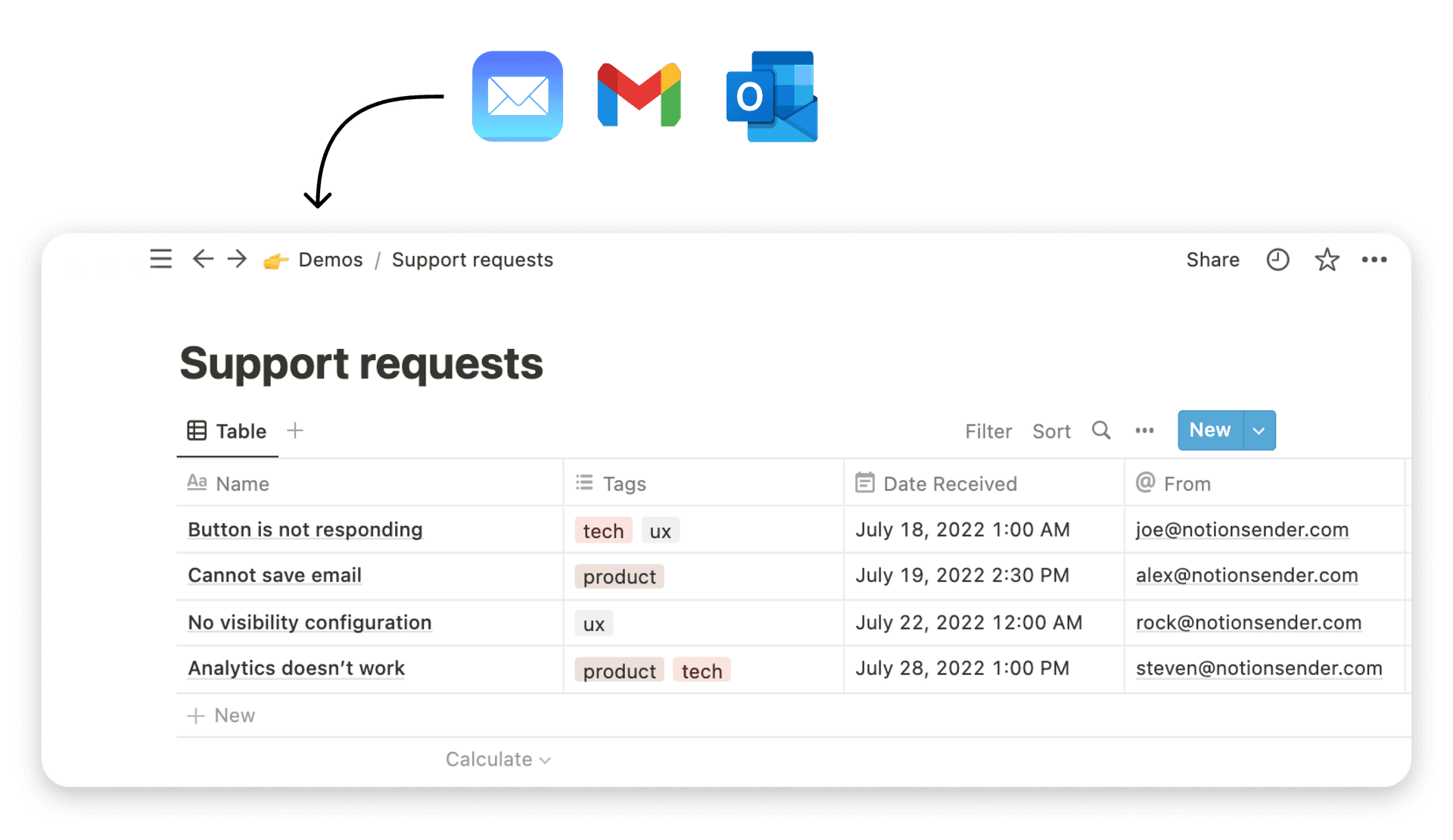
By turning a flood of email alerts into structured data, you can build a powerful intelligence hub right inside your workspace. This is where a tool like NotionSender really shines. It can parse those notification emails and automatically populate a Notion database, transforming a messy inbox into a clean, organized dashboard for strategic analysis.
Choosing Your Web Page Monitoring Toolkit
<iframe width="100%" style="aspect-ratio: 16 / 9;" src="https://www.youtube.com/embed/DbF96IHOZig" frameborder="0" allow="autoplay; encrypted-media" allowfullscreen></iframe>
So, you need an alert if a web page changes. Where do you even start? Figuring out the right approach can feel like a project on its own, but it doesn't have to be complicated.
The best tool for the job really boils down to your specific goal, your budget, and how technical you want to get. You're looking at three main paths: quick-and-easy browser extensions, reliable SaaS platforms, or fully custom scripts you build yourself.
Let's walk through each one so you can pick the right fit for your needs.
Browser Extensions for Quick Checks
If you're looking for the fastest way to get started, browser extensions are your answer. You just install one in Chrome or Firefox, head to the page you want to watch, select a specific area, and tell it how often to check. Simple as that.
They're perfect for personal tasks or one-off projects. Maybe you're a freelancer waiting for a client to update a staging site, or you just want to know when a specific product goes on sale. The main catch? Your browser has to be open and running for the extension to do its job.
SaaS Platforms for Reliable Automation
For anyone needing a more serious, "set it and forget it" solution, Software-as-a-Service (SaaS) platforms are the way to go. These are cloud-based services built for one thing: monitoring websites around the clock. You give them a URL, and their servers take care of everything else, 24/7.
This is the standard for business use cases—think competitive analysis, tracking SEO changes, or making sure your key landing pages don't break. For a small business, this could mean getting an alert the moment a layout shift (measured by Core Web Vitals like CLS) ruins your checkout page.
The best tools are evolving fast. By 2026, expect top-tier services to check pages every 10-15 minutes, which is a massive leap from the hourly checks some alternatives offer. For a cost between $80 to $432 annually to monitor anywhere from 10 to 1000 pages, you get alerts on critical issues like accidental redirects or robots.txt changes that could get you de-indexed by Google. You can dive deeper into industry trends and benchmarks to see where things are headed.
The real power of SaaS tools is their reliability and features. They can perform visual comparisons, monitor specific code snippets, and send alerts to various channels, including email, Slack, or even a custom workflow using a service like NotionSender.
Many of these platforms offer surprisingly generous free tiers, often letting you monitor up to six pages for free. This makes them a great way to get started without any commitment.
Custom Scripts for Ultimate Flexibility
If you're a developer or just comfortable with code, writing your own script in a language like Python gives you total control. Using powerful libraries like Requests and Beautiful Soup, you can build a monitor that does exactly what you need, with no extra fluff.
For example, what if you need to track a product's price, stock level, and average customer review score across 50 different pages? That's a perfect job for a custom script. You can program it to pull just those data points, compare them, and send a perfectly formatted alert.
This path requires some programming know-how and a server or environment to run the script on a schedule. It’s the most work upfront, but it's also the most flexible and can be incredibly cost-effective at scale if you already have the technical resources.
Web Page Monitoring Methods at a Glance
Choosing the right method comes down to balancing your needs with the resources you have. Here’s a quick breakdown to help you decide.
| Method | Best For | Cost | Technical Skill | Key Advantage |
|---|---|---|---|---|
| Browser Extension | Personal tasks, one-off tracking | Free to Low | None | Quick and easy setup |
| SaaS Platform | Business, teams, reliability | Tiered (Free to High) | Low | "Set it and forget it" reliability |
| Custom Script | Complex, specific needs | Variable (Hosting costs) | High | Complete customization |
Ultimately, what works for a freelancer tracking a single site won't scale for a marketing team monitoring dozens of competitors. Think about your long-term goal and choose the path that gets you there with the least amount of friction.
Setting Up Automated Alerts with a SaaS Platform
While browser extensions are handy for quick, personal checks, a dedicated SaaS (Software-as-a-Service) platform is what you need for serious, automated monitoring. Think of these as the professional-grade workhorses that let you truly "set and forget" your web page tracking. This makes them perfect for businesses, marketing teams, and anyone who needs rock-solid reliability to alert if a web page changes.
The biggest difference? Unlike an extension that relies on your computer being on and your browser being open, SaaS tools use their own servers to check for updates 24/7. This means you'll get that critical notification about a price drop or a competitor's new feature even if it happens at 3 AM.
Getting Started with Your First Monitor
Getting your first monitor up and running is surprisingly simple, and you won't need to write a single line of code. It usually starts with creating an account on the platform you've chosen. Once you're in, the first thing you'll do is add a "monitor" or "tracker"—which is just a fancy term for the URL of the page you want to watch.
For example, if you’re a project manager for an e-commerce brand, you might start by plugging in the URL of your main competitor's best-selling product page. The tool will then take an initial snapshot of that page, creating a baseline it will use for all future checks.
Fine-Tuning Your Alert Settings
Here’s where you get to see the real power of these platforms. You can get incredibly specific about what the tool should look for and how it should tell you when it finds something.
You’ll want to dial in a few key settings:
- Check Frequency: How often should the tool look for changes? You can set it to check every five minutes for time-sensitive stuff like stock levels, or just once a day for less urgent pages like a corporate "About Us" page.
- Change Detection Type: Are you interested in any change, or only specific kinds? Most tools let you track changes to the text content, visual layout, or even specific HTML code elements.
- Notification Channels: Where do you want the alerts to go? The usual suspects are email, Slack, and Microsoft Teams. You can also use a webhook to pipe the data into other apps, which is exactly how you’d connect to a service like NotionSender to create a central command center. If you want to get technical, the NotionSender API documentation is a great resource.
By dialing in these settings, you build a system that delivers high-signal, low-noise alerts. Instead of getting buried in notifications, you get only the intel that actually matters.
For freelancers and project managers, this kind of automated oversight can slash downtime risks by an incredible 80%. The website change monitoring market is even projected to hit $5.2 billion in web analytics by 2026, as more teams demand this instant visibility. Even small tweaks matter; some SEO audits show that content removals alone are responsible for up to 25% of SERP drops, which really drives home the need for this kind of watchfulness.
Avoiding False Alarms and Noise
One of the most common headaches with automated monitoring is the "false positive"—an alert triggered by something unimportant. Think about a news site with a rotating "featured stories" banner, an e-commerce page with a dynamic "people also viewed" section, or a blog with a live comment feed. These parts of the page change all the time but are rarely what you care about.
The solution is to tell the tool to exclude specific areas of the page. Most SaaS platforms have a simple point-and-click selector that lets you draw a box around the noisy bits, like an ad banner or a comment section, and tell the monitor to just ignore them. This is a game-changer, ensuring you only get an alert when the actual product description, price, or article content is modified.
For a good walkthrough of the basics, there are some great resources that explain how to set up alerts for monitoring these changes effectively.
Advanced Keyword-Based Alerts
Beyond just knowing that a change happened, you can often set up alerts for specific keywords. This is incredibly powerful for brand monitoring and competitive intelligence.
Imagine you're a marketing manager. You could set up monitors on a dozen industry news sites and major blogs to send you an alert the moment your company's name—or your top competitor's name—is mentioned. It gives you a real-time pulse on your brand’s perception and what your competition is up to.
Once you have this all set up, you’ve built a reliable, automated system that does the tedious work for you, delivering actionable intelligence right to your inbox or team chat.
Integrating Change Alerts into Your Notion Workflow
Getting an alert if a web page changes is a great start, but let's be honest—a flood of notification emails is just more noise. The real magic happens when you turn those raw alerts into structured, actionable intel inside a tool you already live in: Notion.
By piping your SaaS monitoring tool into Notion with NotionSender, you can build a centralized hub for tracking competitor moves, SEO tweaks, and product updates. Instead of digging through an inbox, you get a clean, sortable database that fills itself with vital information.
The basic flow for most monitoring tools is pretty simple. You give it a URL, tell it how often to check, and then wait for the notification.

We're going to take that last "Get Notified" step and put it on steroids by sending those alerts straight into Notion.
Building Your Intelligence Hub in Notion
First things first, your alerts need a place to live. This means creating a new database in Notion specifically for this purpose. Think of it as your command center for web monitoring.
A marketing team, for instance, might create a database called "Competitor Website Changes."
You'll want to add a few properties to keep the incoming data organized. A solid starting point would be:
- Page Title (Title): This will be the main entry name. NotionSender can grab this right from the email subject.
- URL (URL): The link to the actual page that changed.
- Change Detected (Date): A timestamp for when the alert came in.
- Source (Select): To tag which competitor or website the alert is for.
- Summary (Text): A spot for the quick rundown of what changed, pulled from the email body.
With your database structure in place, the next piece of the puzzle is generating its unique email address. This is what NotionSender does so well. You just connect your new database in your NotionSender account, and it hands you a dedicated email address, something like [database_id]@notionsender.com.
This unique email address is the bridge between your monitoring tool and your Notion workspace. Anything sent to this address gets automatically captured, parsed, and sorted into your database based on rules you define.
Connecting Your Monitoring Tool to Notion
Now that you have your Notion database and its special email address, the rest is easy. Head back over to your SaaS monitoring platform. Find the notification settings for the specific page you're watching—say, your competitor's pricing page.
In the email notification field, just swap out your own email address for the new NotionSender email address you just created. Save it, and you're done. From now on, your monitoring tool will send change alerts directly to your Notion database, not your inbox.
This works with pretty much any monitoring service that sends email alerts, so you can easily pull in data from multiple sources into one unified dashboard.
Leveraging Smart Parsing for Clean Data
This is where the process goes from good to great. A standard alert email can be a messy block of text. NotionSender can slice it up and put each piece of data into the right database property using what it calls "smart extraction."
You can tell NotionSender exactly how to read the incoming emails. For example, you can set up rules that say:
- "Find the URL in the email body and put it in the 'URL' property."
- "Use the email's subject line for the 'Page Title'."
- "Grab the text after the words 'Change Summary:' and drop it into the 'Summary' property."
Imagine you're tracking a competitor's homepage. They update their main headline. Your SaaS tool sees the change and fires off an email. Instead of you getting a messy notification, NotionSender intercepts it. A moment later, a new, perfectly organized entry appears in your "Competitor Website Changes" database.
The URL property is filled, the Change Detected property is set to today, and the Summary property shows you exactly what the old and new headlines were. Zero manual data entry. We have a more detailed walkthrough on how to send and automate emails directly within Notion if you want to dive deeper.
Real-World Scenario: A Competitive Tracking Dashboard
Let's make this concrete. A small e-commerce business wants to monitor its three biggest competitors. They use a SaaS tool to watch each company's homepage, pricing page, and blog.
They build a Notion database with properties like "Competitor Name," "Page Type" (Homepage, Pricing, etc.), "URL," and "Change Details." Then, they configure NotionSender to parse the alerts. When an email with the subject "Change Detected on CompetitorA Pricing Page" arrives, NotionSender automatically tags the new database entry with "CompetitorA" and "Pricing."
The result is a live, dynamic feed of their competitive landscape. The team can filter the database to see all pricing changes over the last month or view every single update a specific competitor has made. This turns a simple alert if a web page changes into a powerful stream of strategic insight. This same logic applies to other tools, too; for instance, many people are now setting up Slack alerts for online mentions by routing notifications to a central channel.
By integrating these systems, your Notion workspace evolves from a static knowledge base into a living intelligence platform, automatically fed with timely, relevant data from all over the web. It's a setup that keeps you informed without adding to your workload.
Advanced Monitoring Tips from the Pros

So, you've got a basic alert if a web page changes running. That's a great start. But now it’s time to move beyond the simple "something changed" notifications and build a system that delivers real, strategic insights. This is how you cut through the noise and focus on what actually matters.
A lot of the best SaaS monitoring tools offer something called visual change detection, which is a massive upgrade from just tracking text or HTML code. These tools work by taking screenshots of a page on a schedule and comparing them pixel by pixel.
This is a game-changer because sometimes the most critical updates don't change a single word on the page. Imagine a CSS bug making your "Buy Now" button disappear or hiding a crucial form field. A standard content monitor would miss that completely, but a visual check flags it immediately.
Monitoring Specific Page Elements
Instead of watching an entire page, you can get incredibly precise by zeroing in on a single element. This is the real secret to creating high-signal alerts that tie directly to your goals. You can do this by using CSS selectors to tell your monitoring tool exactly what to watch.
A CSS selector is basically an address for a specific piece of a webpage. For example, if a product's price is inside an HTML tag with an ID like #product-price, you can tell your tool to only look at that.
I use this all the time for things like:
- Price Tracking: I can monitor just the price on an Amazon listing without getting alerts every time a new review is posted.
- Stock Levels: Get an instant heads-up when an "Out of Stock" label flips to "In Stock" on a supplier's site. Perfect for high-demand items.
- Headline Monitoring: I keep an eye on the main
<h1>headline on competitor blogs to see their latest content pushes the moment they happen.
This targeted approach gets rid of false positives from things like rotating ads or comment sections, so every alert you get is one you actually care about.
By focusing on specific CSS selectors, you move from a broad "something changed" notification to a precise "the price dropped by 10%" insight. This level of detail is what allows you to make quick, data-driven decisions.
Building a Competitor Intelligence System
Once you're comfortable with these techniques, you can combine them to build a powerful, automated competitor intelligence system. The goal here is to pipe all that data from your rivals' websites directly into one place, like a Notion database, creating your own single source of truth for what's happening in your market.
First, identify the key pages for each competitor. You'll want to watch their homepage for messaging shifts, their pricing page for new deals, and their blog to see their content strategy unfold. Set up a separate monitor for each.
For every monitor, be as specific as you can. Use CSS selectors to track just the list of features on a pricing tier or the title of their newest case study. Then, point all the email notifications from your monitoring tool to your dedicated NotionSender email address.
This simple setup transforms your Notion workspace into a live, self-updating intelligence feed. As your competitors make changes, new items automatically appear in your database, neatly tagged and sorted without you lifting a finger.
From there, you can build different views in Notion to slice and dice the data. Filter by competitor, page type, or date range to spot trends in their promotional calendar or see how their product messaging changes over time. This turns a simple alert if a web page changes into a genuine strategic asset for your business.
Frequently Asked Questions
Once you dive into website monitoring, a few practical questions almost always come up. It's totally normal. Let's get those answered so you can feel confident setting up your first alerts.
How Often Can I Check a Web Page for Changes?
The right check frequency really boils down to the tool you're using and what you're trying to accomplish.
- Browser extensions are a good starting point and can check anywhere from every few seconds to once an hour. The catch? They only work when your computer is on and your browser is actually running.
- SaaS platforms are the go-to for reliability. They run 24/7 from the cloud, with check intervals ranging from every five minutes on paid plans to once a day on most free tiers.
- Custom scripts give you ultimate power. You set the schedule, you own the process. The trade-off is that you're on the hook for all the hosting and maintenance.
So, what's a good starting point? For most business uses, like keeping an eye on competitor pricing or tracking SEO changes, checking every 15 to 60 minutes is a solid baseline. If you're monitoring something critical, like making sure your checkout page isn't broken, you'll want a much tighter interval—something closer to five minutes.
Can I Monitor Pages That Require a Login?
Yes, you can, but this is where things get a bit more advanced. To get behind a login wall—like a members-only area or a secure dashboard—you’ll typically need a more sophisticated SaaS tool or a custom-built script.
These tools can handle authentication by securely storing login details or, more commonly, by using session cookies to access the page just like a logged-in user would. Browser extensions can sometimes manage this since they live inside your browser's session, but they aren't a dependable choice for automated, round-the-clock monitoring.
A quick word of caution: be very careful when giving login credentials to any third-party service. Stick with reputable providers and, if you can, create a dedicated user account with limited permissions just for the monitoring tool.
Will This Work on Dynamic JavaScript-Heavy Pages?
This is a great question, especially since so many modern sites are built with frameworks like React or Angular. The short answer is: it depends on your tool.
Simple monitors often just download the initial HTML source code. They completely miss content that gets loaded in later by JavaScript, which means you'll miss crucial changes.
To track these dynamic pages accurately, you need a monitor that uses a real browser to fully render the page, JavaScript and all. It sees the page exactly how a human visitor would. Most quality SaaS platforms offer this feature, often called "JavaScript rendering." If you know you'll be tracking dynamic sites, make sure this feature is on your checklist when picking a tool.
Ready to stop missing critical updates and turn website changes into actionable intelligence? NotionSender bridges the gap between your monitoring tools and your Notion workspace, automatically creating an organized, searchable database of every change. Get started for free and build your automated intelligence hub today at https://www.notionsender.com.